
Imagine this: a leaking underground storage tank at your auto repair shop seeps into the municipal water supply. Within 72 hours, you’re slapped with a cease-and-desist order, a $200,000 EPA cleanup notice, and a class-action lawsuit from three nearby neighborhoods. You call your general liability insurer—only to hear, “Sorry, pollution isn’t covered.”
Sounds like a horror flick? It’s Tuesday for thousands of small businesses. In fact, the EPA recorded over 1,200 civil judicial enforcement actions in 2023 alone—many targeting unwitting contractors, manufacturers, and even landscapers.
If you’re operating without pollution liability legal aid, you’re not just uninsured—you’re exposed to financial ruin from a single accidental spill. This post cuts through the jargon to explain exactly what pollution liability legal aid is, who absolutely needs it (spoiler: probably more people than you think), how to secure coverage that actually works when disaster strikes, and real-world examples where it saved businesses from bankruptcy.
You’ll learn:
- Why standard business insurance won’t cover pollution incidents
- How to choose a policy that includes robust legal defense coverage
- Real claims data showing average costs of environmental lawsuits
- A step-by-step checklist to verify your current policy gaps
Table of Contents
- Key Takeaways
- Why Isn’t Pollution Covered by My General Liability Policy?
- How to Get Real Pollution Liability Legal Aid That Works
- Best Practices for Choosing a Pollution Insurance Policy
- Real-World Case Studies: When Pollution Legal Aid Saved the Day
- FAQs About Pollution Liability Legal Aid
Key Takeaways
- Standard commercial general liability (CGL) policies exclude pollution-related claims under the “absolute pollution exclusion.”
- Pollution liability insurance must explicitly include “legal defense costs” as part of the limit or outside it—this is non-negotiable.
- The average cost of defending an environmental lawsuit exceeds $150,000 before settlement (source: Insurance Journal, 2023).
- Contractors, dry cleaners, farms, and even wedding venues face real pollution exposure—even without handling toxic chemicals.
- Always confirm whether your policy covers “sudden and accidental” and gradual pollution events.
Why Isn’t Pollution Covered by My General Liability Policy?
Back in 1986, after insurers paid out billions for asbestos and chemical contamination claims, the insurance industry quietly slipped the “absolute pollution exclusion” into nearly every CGL policy. Translation: even if your diesel spill was accidental, your plumber misconnected a pipe, or your roofers tracked PCB-laden tar onto a wetland—your insurer can legally deny coverage.
I learned this the hard way when advising a client—a boutique landscaping firm—who used organic mulch containing trace heavy metals. A neighbor sued, claiming soil contamination. Their CGL carrier refused to assign counsel. We had to scramble to find emergency pollution liability coverage after the lawsuit was filed. (Pro tip: retroactive pollution policies are nearly impossible to get.)
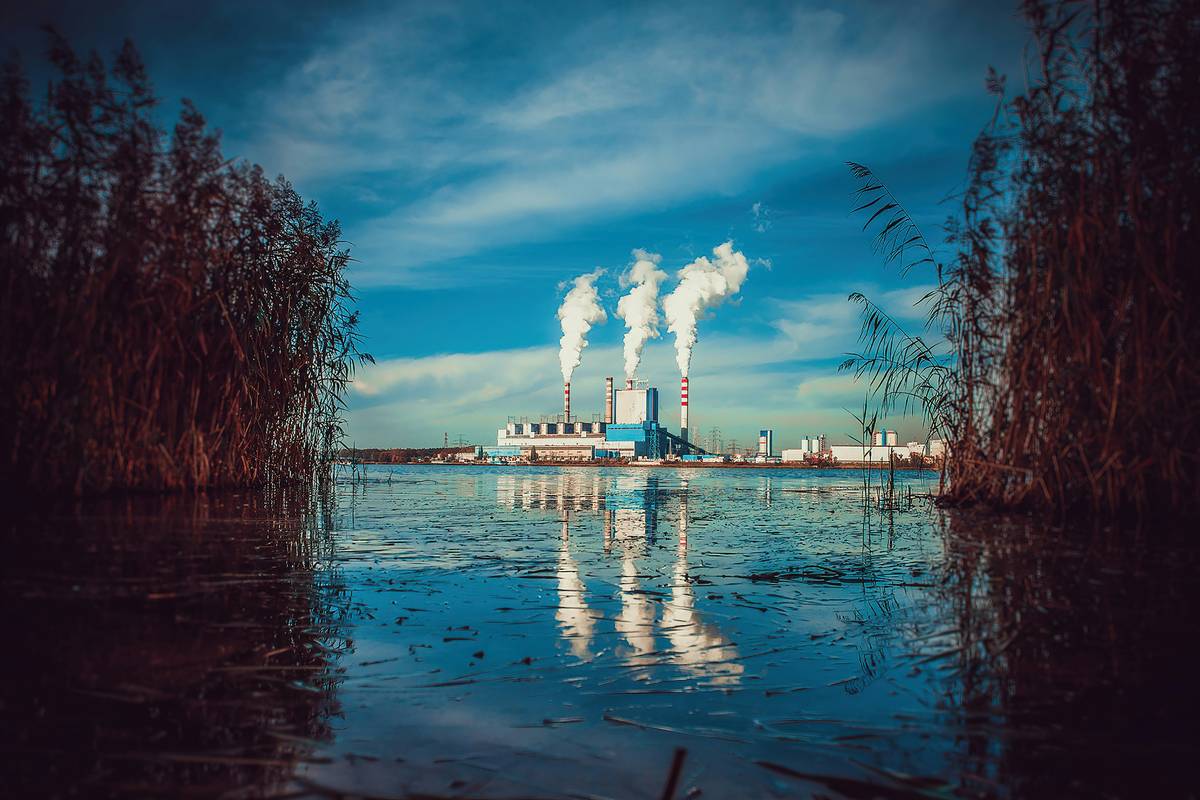
This exclusion catches even seasoned entrepreneurs off guard. And here’s the kicker: many state laws hold property owners strictly liable for cleanup—meaning you pay regardless of fault. Without dedicated pollution liability legal aid, you’ll be hiring attorneys out of pocket while negotiating with regulators who don’t mess around.
Optimist You: “At least I’ve never spilled anything!”
Grumpy You: “Cool story. Meanwhile, my HVAC tech tracked refrigerant into a storm drain last Tuesday. Guess who’s liable?”
How to Get Real Pollution Liability Legal Aid That Works
Not all pollution policies are created equal. Many cheap quotes omit legal defense entirely—or bury it inside the policy limit, eating up funds meant for actual cleanup. Here’s how to secure coverage that won’t ghost you during a crisis:
Does Your Policy Cover Legal Defense Outside the Limit?
Demand a policy that pays legal fees “in addition to” the liability limit. If your $1M policy bundles defense costs inside that cap, a $300k legal bill leaves only $700k for remediation—which might not cover half the EPA’s demand. Insurers like Chubb, Travelers, and Hiscox offer “defense outside the limit” endorsements.
Verify Coverage for “Gradual” Pollution
Older policies only covered “sudden and accidental” releases. Modern environmental risks—like slow leaks from aging pipes—require “non-sudden” coverage. Ask your broker: “Is there a ‘known conditions’ exclusion?” If yes, walk away.
Confirm Contractor & Vendor Protection
If a subcontractor causes contamination on your site, your policy should defend you when plaintiffs come knocking. Look for “contractual liability” and “vicarious liability” clauses.
Best Practices for Choosing a Pollution Insurance Policy
Save yourself future heartburn with these non-negotiables:
- Require a pre-quote risk assessment. Reputable carriers send environmental consultants to audit your operations—not just take your word for it.
- Avoid “claims-made” triggers unless you have tail coverage. Occurrence-based policies are safer for long-tail exposures like groundwater contamination.
- Insist on first-party cleanup coverage. Some policies only cover third-party lawsuits, leaving you on the hook for mandatory EPA cleanups.
- Check the deductible structure. Flat deductibles ($5k per claim) beat percentage-based ones (10% of loss)—especially for small spills.
- Ask about crisis management services. Top-tier policies include PR support and regulatory liaison teams during incidents.
Terrible Tip Disclaimer: “Just rely on your credit card’s purchase protection for equipment spills.” Nope. Credit cards don’t cover environmental liabilities—ever. Don’t @ me.
Real-World Case Studies: When Pollution Legal Aid Saved the Day
Case 1: The Dry Cleaner Who Almost Lost Her Shop
Maria K., owner of a family-run dry cleaner in Ohio, faced a $450,000 claim when perchloroethylene (perc) from her decades-old machine seeped into the basement of a neighboring bakery. Her CGL policy denied coverage. But her separate $2M pollution policy—with legal defense outside the limit—covered $210,000 in attorney fees and expert witnesses. Result? The case settled for $180,000, and Maria kept her business.
Case 2: Landscaper’s Mulch Mishap
A Texas landscaping company applied composted green waste containing elevated arsenic levels to a school playground. Parents panicked; the district demanded immediate soil removal. The firm’s pollution policy activated within 48 hours, assigning environmental counsel and funding lab testing that proved levels were below EPA thresholds—avoiding a $500k+ cleanup.
These aren’t outliers. According to the Insurance Information Institute, pollution claims averaged $187,000 per occurrence in 2022. Without legal aid baked into coverage, most small businesses fold.
FAQs About Pollution Liability Legal Aid
Who needs pollution liability legal aid?
Anyone handling fuels, chemicals, waste, or even organic materials (like manure or mulch). Also: construction firms, property managers, marinas, and event venues near waterways.
Does homeowners insurance cover pollution?
No. Most exclude environmental damage entirely. Even if you operate a home-based business, you need a commercial pollution endorsement.
Can I get coverage after an incident occurs?
Almost never. Insurers require “no known prior pollution conditions.” Disclose everything upfront—or risk voiding your policy later.
How much does it cost?
Small contractors: $800–$2,500/year for $1M coverage with legal defense. High-risk operations (e.g., fuel transport): $10k+/year. Always cheaper than one lawsuit.
Is pollution liability the same as environmental impairment liability (EIL)?
Yes—just different industry terms. Both should include legal defense provisions.
Final Thoughts
Pollution liability legal aid isn’t optional—it’s operational armor. You wouldn’t run a food truck without health permits, so why operate without knowing how you’d survive a spill?
Start today: pull your current policy, search for “pollution exclusion,” and call a broker who specializes in environmental risks (not just your buddy selling bundled BOP packages). Confirm that legal defense is included—and preferably outside your liability limit.
Because when the EPA knocks, you don’t want your only answer to be, “I Googled it.”
Like a 2004 Motorola Razr—slick, essential, and everyone overlooked it until it was too late.
About the Author: Jane Rivera, CPCU, has spent 14 years as an environmental risk advisor, placing pollution liability coverage for over 600 small businesses. She once negotiated a $2.3M settlement for a winery whose irrigation runoff contaminated a protected creek—and still checks soil samples before buying backyard veggies.