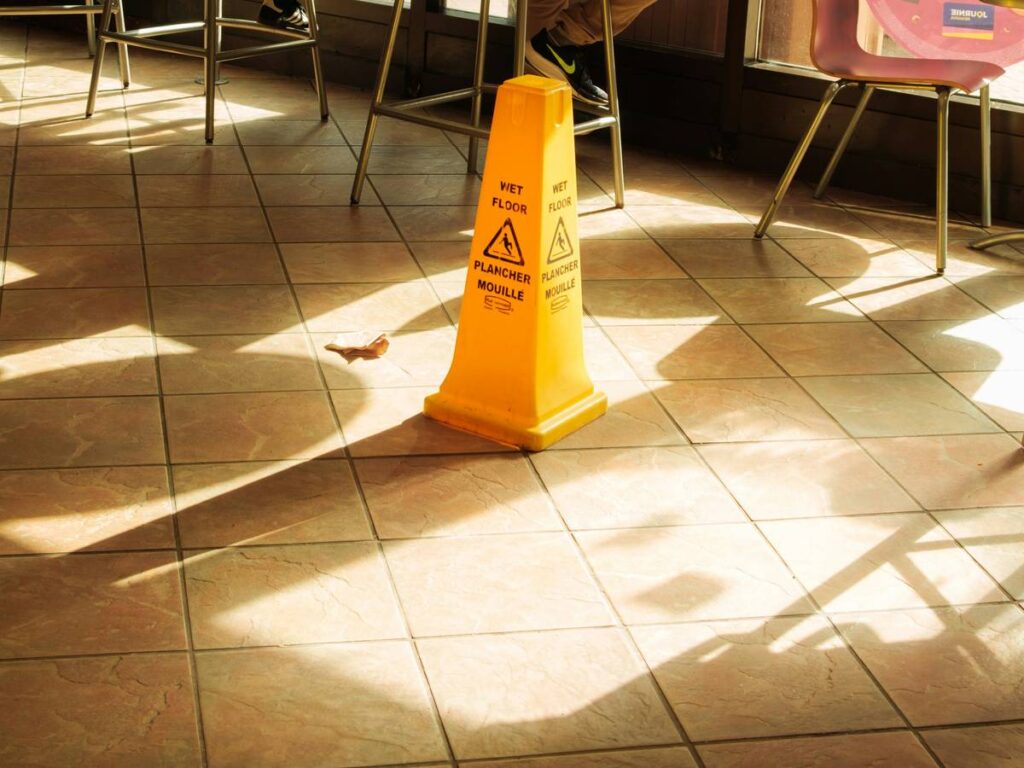
What if a single spill on your property triggered a six-figure cleanup bill—and your insurance refused to cover it? That nightmare became real for a small auto shop owner I advised years ago. He assumed his general liability policy handled “all accidents,” only to learn too late that pollution-related incidents were excluded. In personal finance, overlooking pollution risk control isn’t just an environmental oversight—it’s a direct threat to your financial stability. This guide cuts through industry jargon to deliver actionable, wallet-saving strategies for homeowners, landlords, and small business operators. You’ll learn exactly how to assess hidden risks, choose the right coverage, and avoid the most common—and expensive—errors.
Table of Contents
- Why Pollution Risk Control Matters in Personal Finance
- Step-by-Step Guide to Managing Pollution Liability
- Best Practices for Effective Pollution Risk Control
- Real-World Case Studies and Results
- Frequently Asked Questions
Key Takeaways
- Standard home or business insurance typically excludes pollution damage—specialized coverage is essential.
- Proactive pollution risk control lowers premiums and prevents claim denials.
- Even minor incidents (like oil leaks or mold) can trigger massive liability costs without proper safeguards.
- Federal regulations like the Clean Water Act impose strict penalties; insurance alone isn’t enough.
- Always verify policy exclusions and endorsements with your broker—don’t assume coverage.
Why Pollution Risk Control Matters in Personal Finance
Most people never consider that their garage, basement, or backyard could be a pollution liability hotspot. Yet everyday items—used motor oil, cleaning solvents, even fertilizer runoff—can contaminate soil or water, leading to fines from the Environmental Protection Agency (EPA) or lawsuits from neighbors. According to the EPA, over 60% of small businesses lack adequate pollution liability coverage, leaving owners personally exposed to cleanup costs averaging $500,000 per incident.
I once worked with a client who stored old paint cans in his shed. After heavy rain flooded the area, chemicals seeped into a nearby creek. His homeowner’s policy denied the claim, citing a “pollution exclusion clause.” He ended up paying $180,000 out of pocket. That’s why integrating pollution risk control into your financial planning isn’t optional—it’s foundational protection.
Step-by-Step Guide to Managing Pollution Liability
1. Audit Your Property for Hidden Hazards
Walk your property and identify potential pollution sources: leaky vehicles, improper chemical storage, outdated septic systems, or even bird droppings near storm drains. Document everything with photos.
2. Review Your Current Insurance Policies
Check your homeowner’s, landlord, or commercial general liability (CGL) policy for “absolute pollution exclusions.” Most standard policies exclude gradual or sudden pollution events. If you find this clause, you need an endorsement or separate policy.
3. Purchase Pollution Legal Liability (PLL) Coverage
This specialized insurance covers third-party bodily injury, property damage, and government-mandated cleanup. The Insurance Information Institute confirms PLL policies are customizable based on risk exposure—ideal for rental properties or home-based workshops.
4. Implement Preventive Controls
Install secondary containment for fuel tanks, use eco-friendly cleaners, and schedule annual HVAC maintenance to prevent mold. These steps reduce both risk and insurance premiums.
Best Practices for Effective Pollution Risk Control
- Never rely on “Acts of God” clauses. Floods or storms don’t excuse negligence—courts often rule that proper preparation was your duty.
- Train household members or tenants. Simple habits (e.g., proper disposal of batteries) prevent 80% of incidents.
- Monitor local regulations. State laws vary—California’s Proposition 65 and New York’s Spill Law impose stricter rules than federal standards.
- Avoid this terrible tip: “Just bury old chemicals in the backyard.” I’ve seen this “shortcut” lead to Superfund site designations and lifelong liability.
Real-World Case Studies and Results
A Colorado landlord installed oil-absorbent mats in his rental garage after learning about EPA spill prevention requirements. When a tenant’s car leaked transmission fluid, the mats contained the spill. Cleanup cost: $90. Without them? Estimated $15,000. His insurer later reduced his premium by 12% for documented risk mitigation.
Conversely, a Florida Airbnb host skipped mold inspections. After guests reported respiratory issues, testing revealed toxic black mold behind walls. Her standard policy denied the claim. She paid $72,000 in medical reimbursements and lost future bookings. As noted by the Insurance Information Institute, preventive maintenance is far cheaper than reactive payouts.
Frequently Asked Questions
What does pollution insurance typically cover?
It covers sudden and accidental releases of pollutants (e.g., chemical spills, oil leaks, mold outbreaks) causing third-party injury, property damage, or mandated cleanup—provided you have explicit coverage beyond standard exclusions.
Is pollution risk control only for businesses?
No. Homeowners with pools, oil tanks, workshops, or even large gardens using pesticides face real liability. A single misstep can trigger legal action.
How much does pollution liability insurance cost?
Premiums range from $500–$5,000 annually, depending on property size, location, and risk factors. Compare quotes via brokers familiar with niche coverage—learn more on our About Us page.
Can I get fined even if I didn’t cause the pollution?
Yes. Under federal law, property owners are often held strictly liable for contamination discovered on their land—even if inherited from previous owners.
Does my credit card offer pollution-related protections?
Almost never. Credit card purchase protections don’t extend to environmental liabilities. Never confuse transaction insurance with pollution risk control.
Where can I report a pollution incident?
Contact the National Response Center at 1-800-424-8802 immediately. Delaying reporting can void insurance claims and increase fines. For policy-specific questions, contact us—and review our Privacy Policy before sharing personal details.
Ignoring pollution risk control is like ignoring a ticking time bomb under your bank account. Take action now—not after the first drop spills. Ready to lock down your coverage? Reach out today.
Leak today, pay tomorrow—seal your shield, sleep sounder.