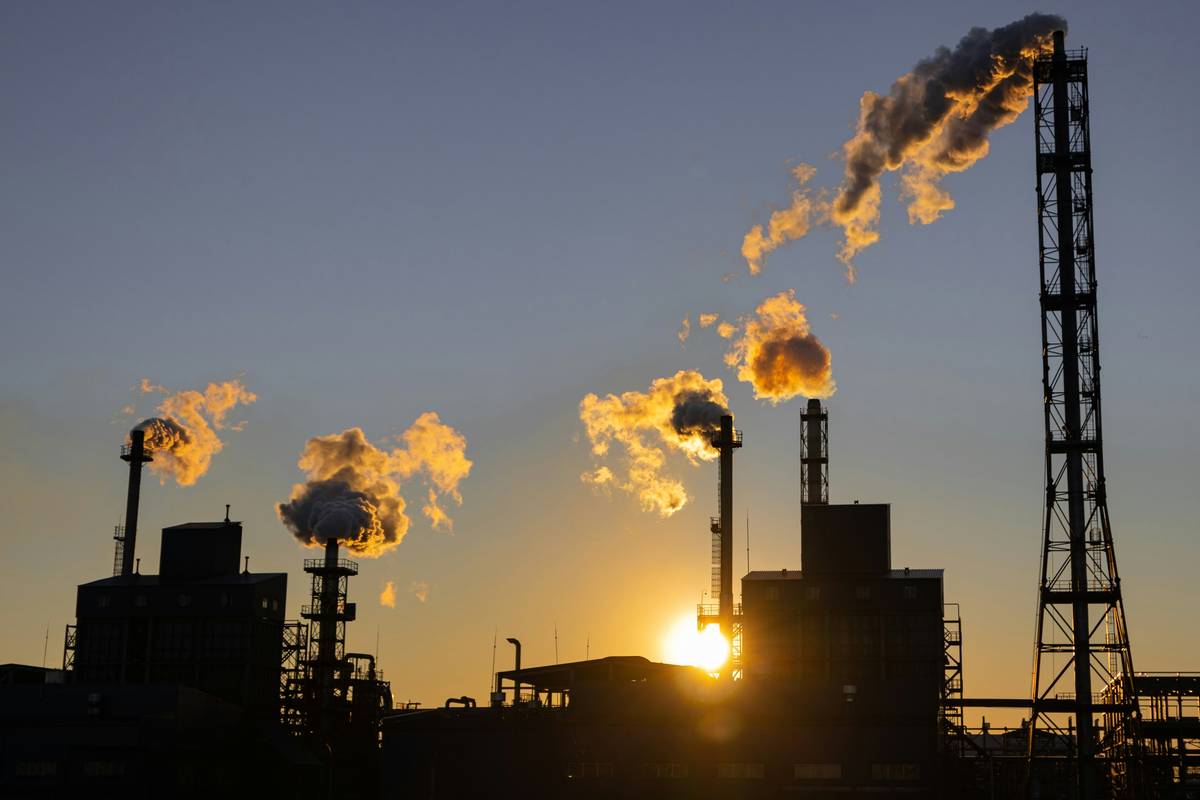
You run a small manufacturing unit. One faulty valve leaks industrial solvent into a storm drain. Within hours, regulators are at your door—fines, cleanup orders, lawsuits from downstream property owners. Standard liability insurance? It won’t touch it. You just discovered the hard way that you lack pollution incident legal cover.
Why traditional insurance policies leave you exposed
Most general liability or commercial property policies contain a “pollution exclusion clause”—a relic from the 1970s when insurers wanted out of environmental risk. They’ll cover sudden fires or slips—but not gradual seepage, accidental discharge, or even third-party claims stemming from contamination.
And don’t be fooled by “sudden and accidental” loopholes. Courts have gutted those defenses repeatedly. One misstep in documentation or response timeline—and you’re personally liable for six-figure legal bills before remediation even begins.
How to secure real protection: a practical roadmap
Step 1: Audit your exposure points
Do you store chemicals? Handle waste? Even use cleaning agents in volume? Map every potential release path—air, water, soil. Most small operators underestimate their footprint until regulators do the math for them.
Step 2: Choose the right policy structure
Stand-alone pollution legal liability (PLL) policies exist—but they’re often overkill. For many SMBs, an endorsement or rider attached to your existing commercial package is smarter, cheaper, and faster to activate.
Step 3: Verify legal defense inclusion
Not all pollution coverage includes attorneys’ fees. Some policies pay only for cleanup—not lawsuits. Demand explicit wording: “defense costs for third-party claims arising from covered pollution incidents.” Anything less is false security.
| Coverage Type | Avg. Annual Premium (Small Biz) | Legal Defense Included? | Typical Response Time |
|---|---|---|---|
| General Liability (Standard) | $800–$1,500 | No — pollution excluded | N/A |
| Pollution Legal Liability Rider | $1,200–$2,500 | Yes — if explicitly stated | 72 hours |
| Standalone PLL Policy | $3,000–$8,000+ | Yes — comprehensive | 24–48 hours |


The industry secret no broker will tell you
Here’s what carriers don’t advertise: many pollution incident legal cover policies include pre-incident consulting—at no extra cost. That means certified environmental advisors will inspect your facility, suggest low-cost containment upgrades, and even draft emergency response protocols. Why? Because preventing a $500K claim saves them money. But you’ll never get this unless you ask for it during underwriting. And most don’t. They wait until it’s too late.
Think about it: paying slightly more upfront for a policy that actively helps you avoid triggering it? That’s not insurance—it’s strategic risk engineering.
FAQ
Does pollution incident legal cover apply to historical contamination?
No. These policies cover incidents occurring after the policy start date. Legacy pollution requires separate remediation insurance.
Can sole proprietors get this coverage?
Yes. Many insurers offer scaled-down plans for freelancers handling hazardous materials—like mobile cleaners or HVAC technicians using refrigerants.
Is “sudden and accidental” still a valid defense without coverage?
Rarely. Modern case law treats most discharges as foreseeable—even pipe bursts. Without explicit pollution incident legal cover, you’re gambling with your assets.