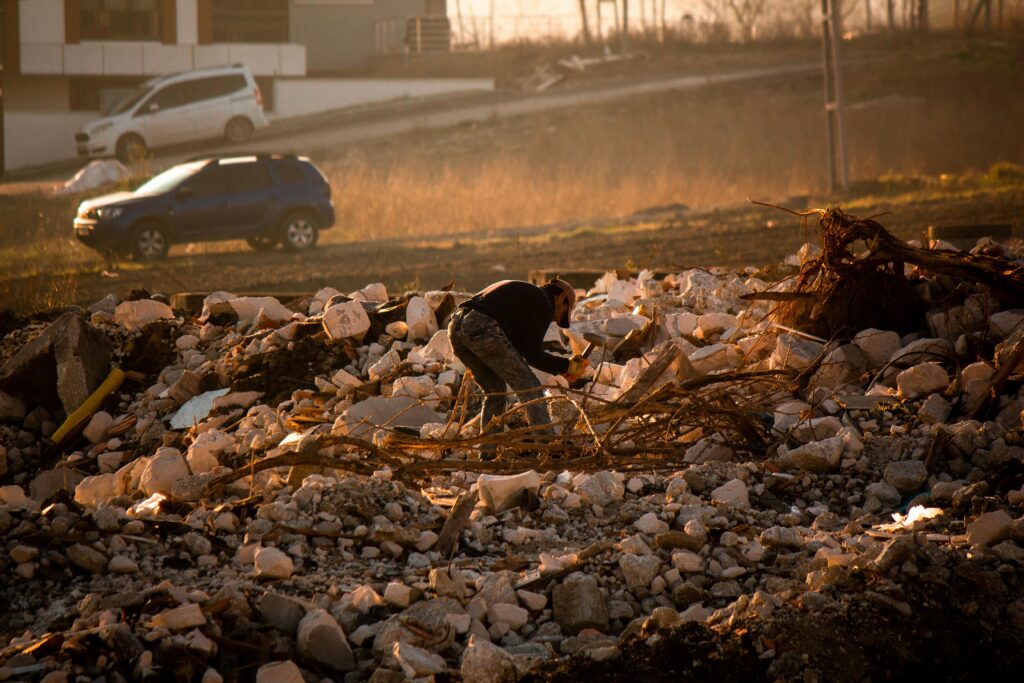
Ever heard the phrase, “Out of sight, out of mind,” only to find yourself knee-deep in an environmental mess? Yeah, us too. Whether it’s a leaking underground storage tank or toxic runoff from industrial activities, contamination can wreak havoc—not just on the environment but also on your finances. That’s where contamination cleanup insurance comes in. But what exactly is it, and how do you know if you need it?
In this guide, we’ll break down everything you need to know about contamination cleanup insurance—including its importance, steps to secure coverage, expert tips, real-world examples, and answers to FAQs. Spoiler alert: It’s not as boring as it sounds. Let’s dive in!
Table of Contents
- Key Takeaways
- Why You Can’t Ignore Contamination Cleanup Costs
- How to Choose the Right Contamination Cleanup Insurance
- Pro Tips for Maximizing Your Coverage
- Real-Life Examples of Cleanup Success Stories
- FAQs About Contamination Cleanup Insurance
Key Takeaways
- Contamination cleanup costs can spiral into millions without proper insurance.
- Policies vary widely; understanding exclusions is critical.
- An ounce of prevention (and good policy selection) is worth a ton of cure—or cash.
Why You Can’t Ignore Contamination Cleanup Costs
Let me paint you a picture. A small business owner discovers that their property has been contaminated by hazardous waste buried decades ago by a previous tenant. Sounds like something out of a legal drama, right? Except now they’re staring at a bill for hundreds of thousands in remediation fees. And here’s the kicker: Their standard commercial liability policy doesn’t cover pollution-related incidents. Whoops.
This nightmare scenario plays out more often than you’d think. According to the U.S. Environmental Protection Agency (EPA), there are over 1,300 Superfund sites nationwide requiring ongoing cleanup efforts. These sites represent billions in cleanup costs—costs typically shouldered by whoever owns or operates the land.

But Wait, Isn’t Pollution Covered Under Regular Policies?
Optimist You: “My general liability policy probably covers pollution!”
Grumpy Me: “Oh sweet summer child. Most policies explicitly exclude pollution-related claims unless you’ve added endorsements or standalone policies.”
Without contamination cleanup insurance, you’re essentially walking financial tightrope without a safety net. One misstep—a single claim—and bam, your savings are toast.
How to Choose the Right Contamination Cleanup Insurance
Picking the perfect contamination cleanup insurance isn’t rocket science—but it’s also not a quick skim through Yelp reviews. Here’s how to approach it:
Step 1: Assess Your Risk Level
Start by evaluating whether your property or operations pose any potential environmental risks. Are you running a gas station with underground tanks? Operating near waterways? Own land previously used for manufacturing? High-risk scenarios demand specialized coverage.
Step 2: Shop Around for Policies
Fun fact: No two contamination cleanup policies are identical. Some focus solely on sudden spills, while others provide coverage for gradual leaks. Work with brokers specializing in environmental risk management—they’re basically wizards when it comes to finding tailored solutions.
Step 3: Don’t Skimp on Exclusions
I once bought a cheap renters’ insurance policy thinking I was golden—until my apartment flooded and I realized mold damage wasn’t covered. Learn from my mistake: Review every exclusion clause carefully. Pay extra attention to language around natural disasters, asbestos, lead, and other common contaminants.
Pro Tips for Maximizing Your Coverage
Here are some pro-level hacks to make sure your contamination cleanup insurance works for you:
- Tailor Your Limits: Higher limits mean better protection—but higher premiums. Find a balance that aligns with your specific needs.
- Bundle Wisely: Many insurers offer discounts if you bundle multiple types of coverage together. Think home, auto, or flood insurance.
- Maintenance Matters: Document regular inspections and upkeep of equipment or facilities prone to leaks. This proves due diligence if a claim arises.
A Terrible Tip (That You Should Ignore)
“Just skip insurance altogether—it won’t happen to you.” Newsflash: Playing Russian roulette with your finances rarely ends well. Even low-risk properties aren’t immune to freak accidents or historical issues resurfacing.
Real-Life Examples of Cleanup Success Stories
Still skeptical? Let’s talk cold, hard evidence:
Case Study #1: The Gas Station Save
An independent gas station owner in Ohio faced $750,000 in cleanup costs after discovering an old underground tank had corroded. Thanks to his contamination cleanup insurance—which cost him roughly $1,200 annually—he avoided bankruptcy and kept his doors open.
Case Study #2: Brownfield Redevelopment Win
A developer purchased a brownfield site planning to rehab it into condos. Midway through construction, soil testing revealed heavy metal contamination. His comprehensive cleanup policy covered all remediation expenses, allowing the project to proceed. Boom.
FAQs About Contamination Cleanup Insurance
What Does Contamination Cleanup Insurance Typically Cover?
It usually includes cleanup expenses caused by pollutants such as oil spills, chemical leaks, and biological contaminants. However, exact terms depend on the policy.
Is Contamination Cleanup Insurance Expensive?
Cost varies based on location, industry, and risk level. For instance, a small retail shop might pay less compared to a chemical plant.
Can I Add Pollution Coverage to My Existing Policy?
Sometimes, yes—but these endorsements often come with strict limitations. Standalone policies generally offer broader protection.
Conclusion
From avoiding financial ruin to ensuring compliance with regulatory standards, contamination cleanup insurance serves as a vital safeguard against unforeseen environmental mishaps. By assessing your risks, comparing policies, and following our expert tips, you’ll be prepared no matter what life throws your way.
Remember, folks: Like a Tamagotchi, your peace of mind requires daily care—and contamination cleanup insurance is part of that TLC.