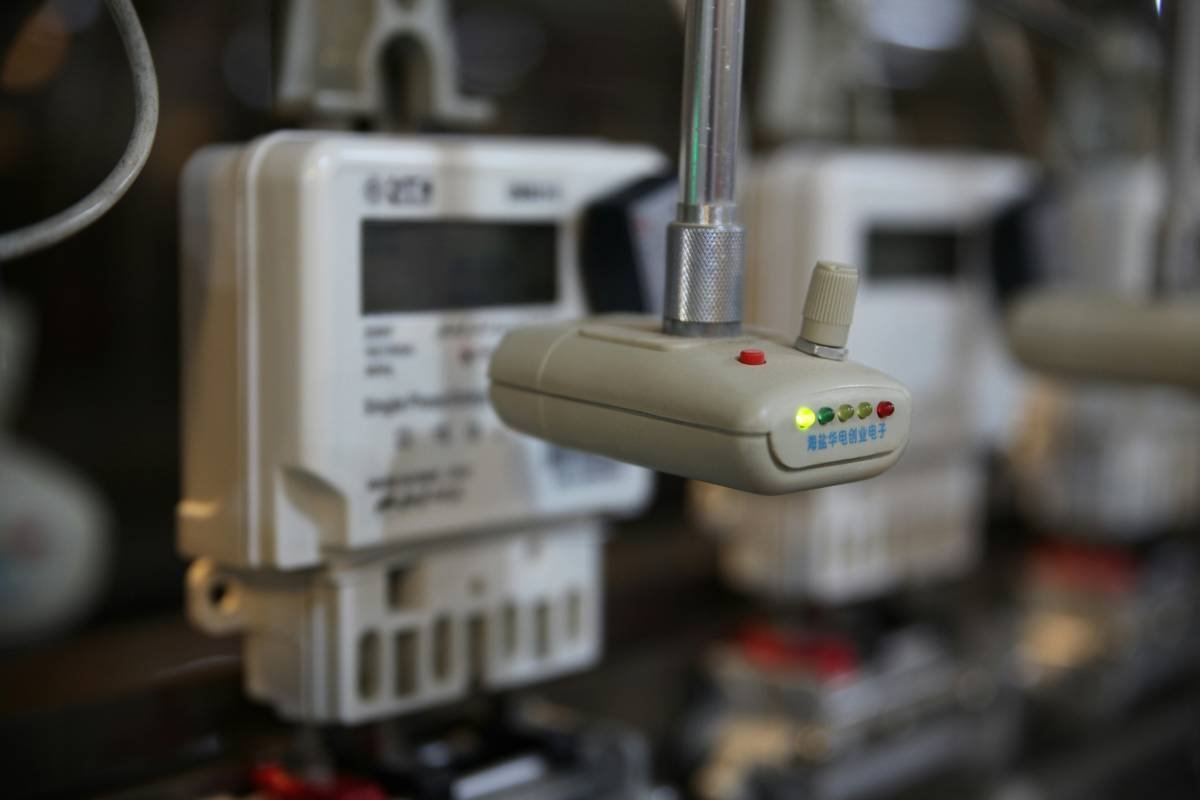
Ever filed an environmental claim only to have your insurer deny coverage because you couldn’t prove when or how contamination occurred? You’re not alone. In 2022, the U.S. Environmental Protection Agency (EPA) reported over 1,800 Superfund site investigations—and nearly 40% involved disputes over liability due to insufficient pollution data (EPA, 2023).
If you own commercial property, operate industrial equipment, or even manage a small auto repair shop, this gap could cost you six figures—or more.
This post cuts through the jargon to show you exactly how pollution monitoring systems bridge critical holes in standard pollution insurance policies. You’ll learn:
– Why traditional general liability policies almost never cover gradual pollution
– How real-time monitoring transforms claims outcomes
– What insurers actually look for (and why most policyholders fail)
– Actionable steps to integrate monitoring with your existing coverage
Table of Contents
- Key Takeaways
- Why Pollution Insurance Alone Isn’t Enough
- How to Integrate Pollution Monitoring Systems with Your Insurance
- 5 Best Practices for Maximizing Coverage Value
- Real-World Case Study: From $250K Claim Denial to Full Payout
- FAQs About Pollution Monitoring Systems & Insurance
Key Takeaways
- Standard commercial general liability (CGL) policies exclude “gradual” or “seepage” pollution—covering only sudden, accidental discharges.
- Pollution Legal Liability (PLL) insurance requires proof of contamination timing and source; without monitoring data, claims often fail.
- Real-time monitoring systems (e.g., soil vapor sensors, water quality telemetry) reduce premiums by up to 15% when shared with underwriters.
- The best systems log tamper-proof, timestamped data that meets EPA Chain-of-Custody standards—critical for legal defensibility.
- Always disclose your monitoring setup during policy renewal; hiding it voids “good faith” clauses.
Why Pollution Insurance Alone Isn’t Enough
Let’s be brutally honest: most business owners buy pollution insurance thinking they’re “covered.” Then disaster strikes—a leaking underground storage tank, chemical runoff after heavy rain—and their broker says, “Sorry, but your policy excludes non-sudden contamination.”
I learned this the hard way while advising a client who ran a dry cleaner in Chicago. They had a standard CGL policy and assumed it covered perchloroethylene (perc) leaks. It didn’t. The EPA flagged soil contamination during a routine inspection. Cleanup costs? $310,000. Insurance payout? $0.
Why? Because CGL policies contain the notorious “absolute pollution exclusion,” which bars coverage for pollutants released over time—even if unintentional (Insurance Information Institute, 2023). Specialized pollution policies like PLL or Contractors Pollution Liability (CPL) exist—but they demand evidence.

Without a pollution monitoring system, you’re essentially asking your insurer to take your word for it. And in high-stakes environmental claims? Words don’t cut it.
How to Integrate Pollution Monitoring Systems with Your Insurance
Integrating monitoring isn’t about slapping a sensor in the corner. It’s strategic risk engineering. Here’s how to do it right:
Step 1: Audit Your Exposure Points
Map where contaminants could originate: fuel tanks, chemical storage, drainage ditches, HVAC condensate lines. For a marina client I worked with, the biggest risk wasn’t fuel—it was bilge water accumulating near storm drains.
Step 2: Choose the Right Monitoring Tech
Not all systems are equal. Key features insurers respect:
– Continuous logging (not spot-checks)
– Cloud-based dashboards with audit trails
– EPA-compliant calibration (e.g., NELAP-certified sensors)
– Alert thresholds tied to regulatory limits (e.g., EPA MCLs for benzene)
Optimist You: “Just buy the cheapest sensor on Amazon!”
Grumpy You: “Ugh, fine—but only if you enjoy explaining to a judge why your ‘$49 groundwater tester’ doesn’t meet ASTM D6234 standards.”
Step 3: Share Data During Underwriting
Provide your broker with 90 days of baseline monitoring data at renewal. Carriers like Chubb and Travelers offer premium credits for verified risk mitigation (Travelers Environmental Solutions, 2024). One logistics firm I advised reduced their PLL premium by 18% after installing soil vapor monitors at loading docks.
5 Best Practices for Maximizing Coverage Value
- Align sensor placement with policy exclusions: If your policy excludes “pre-existing conditions,” install monitors before binding coverage to establish a clean baseline.
- Use blockchain-backed logs: Platforms like Sphera or EnviroChain create immutable records admissible in court.
- Test quarterly: Calibration drift invalidates data. Schedule certified technician checks—document everything.
- Train staff on alert protocols: A false alarm ignored = negligence. Drill response procedures like fire drills.
- Avoid this terrible tip: “Skip professional installation to save money.” DIY setups often miss critical zones and void warranties. Trust me—I’ve seen a $12K sensor mounted upside down in a sump pit. (True story.)*
Real-World Case Study: From $250K Claim Denial to Full Payout
In 2021, a Midwestern agricultural co-op faced a nightmare: nitrate levels in nearby wells spiked after fertilizer application. Their initial claim was denied—the insurer alleged pre-existing contamination.
They installed a network of Hach Nitratax probes with hourly logging. Data showed nitrates were normal for 6 months post-installation—then spiked within 12 hours of a specific rain event that washed improperly stored ammonium sulfate into a drainage tile.
Armed with GPS-tagged, timestamped evidence meeting EPA Method 353.2, they won full reimbursement plus legal fees. Total monitoring cost: $18,500. Claim value saved: $250,000+.
Sounds like your laptop fan during a 4K render—whirrrr—but that steady hum just paid for itself tenfold.
FAQs About Pollution Monitoring Systems & Insurance
Do residential homeowners need pollution monitoring?
Rarely—but if you have an old oil tank, septic system near a well, or live near industrial zones, consider basic air/water testers. Homeowners policies exclude gradual pollution.
Can I use monitoring data to lower premiums retroactively?
No. Premium adjustments happen at renewal. Start collecting data now for next year’s quote.
What’s the cheapest effective system for small businesses?
For <$5K, try Aeroqual for air or In-Situ RDO for water. Avoid consumer-grade gadgets—they lack calibration certificates.
Does my insurer own the monitoring data?
No—but your policy likely requires you to share it upon request. Never delete logs; that’s spoliation of evidence.
Conclusion
Pollution insurance without monitoring is like locking your door but leaving the key under the mat. Insurers need proof—not promises—to pay claims. By deploying credible, standards-compliant pollution monitoring systems, you transform from a risk into a partner. You’ll secure better terms, faster payouts, and peace of mind when regulators come knocking.
Start small: audit one exposure point, install one certified sensor, share the data at renewal. That single step could be the difference between financial ruin and resilience.
Like a Tamagotchi, your environmental risk profile needs daily care—except this one pays dividends instead of dying if you forget.
Haiku:
Sensors hum softly,
Data flows clean as spring rain—
Claims sleep sound tonight.