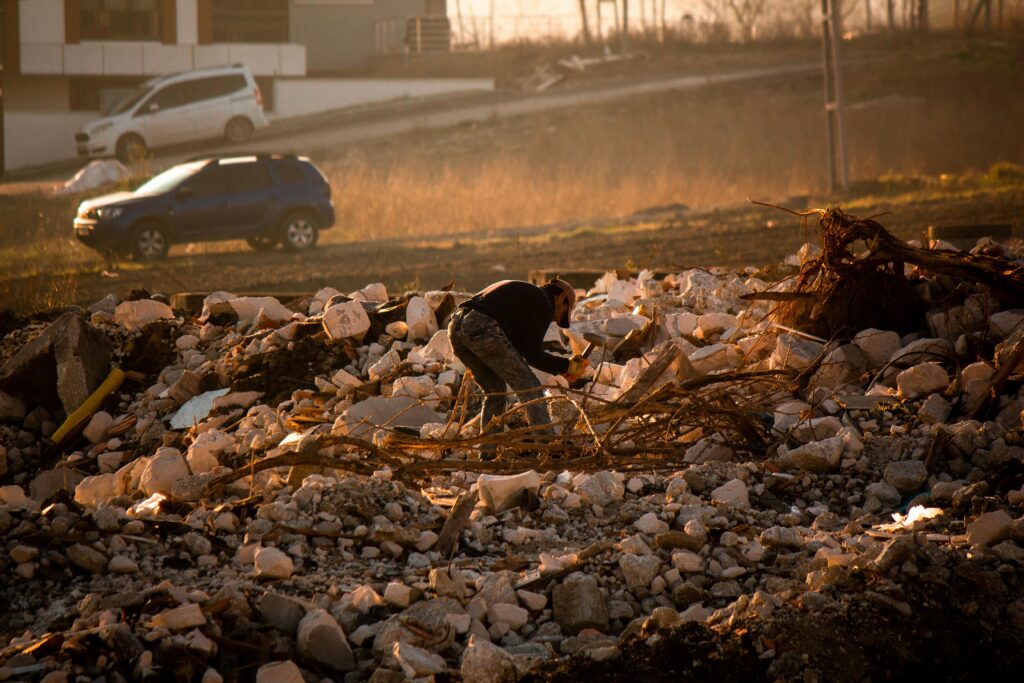
Imagine this: You’re cleaning out your garage and accidentally spill a drum of used motor oil. Or maybe your HVAC system leaks refrigerant into your basement. Suddenly, the EPA—or your local environmental agency—is knocking, demanding you pay for soil testing, air filtration, and certified hazardous material removal. The bill? Easily $20,000 or more.
If you’re thinking “But I didn’t mean to pollute!”—welcome to the club. Most standard property or liability policies exclude pollution-related cleanup costs unless you have something called cleanup expense insurance.
In this guide, you’ll learn exactly what cleanup expense insurance covers (and doesn’t), who needs it (hint: it’s not just factories), how to evaluate policies like a pro, and real stories where it saved homeowners from financial ruin. Plus, we’ll expose one terrible “advice” that could leave you dangerously underinsured.
Table of Contents
- Why Does Cleanup Expense Insurance Matter?
- How to Get Cleanup Expense Insurance Step-by-Step
- Best Practices for Maximizing Your Pollution Coverage
- Real-Life Cases Where Cleanup Expense Insurance Saved the Day
- Cleanup Expense Insurance FAQs
Key Takeaways
- Cleanup expense insurance covers costs to remediate accidental pollution on or from your property—even if you’re not legally liable.
- Standard homeowners, auto, or business policies often exclude gradual or sudden pollution events unless specifically endorsed.
- The average residential pollution cleanup costs $15,000–$60,000 (EPA data); commercial incidents can exceed $500,000.
- You don’t need to run a chemical plant to benefit—homeowners with oil tanks, workshops, or older HVAC systems should consider coverage.
- Always verify policy triggers: “sudden and accidental” vs. “gradual” pollution definitions drastically affect claim eligibility.
Why Does Cleanup Expense Insurance Matter?
Most people assume their homeowner’s insurance will cover any mess they clean up. Wrong. For decades, standard ISO-form property policies have included a broad pollution exclusion. That means if you leak antifreeze from your classic car project or discover mold from a hidden roof leak, your insurer can (and likely will) deny the claim—even if you did nothing wrong.
According to the U.S. Environmental Protection Agency (EPA), over 4,300 underground storage tank leaks were reported in 2022 alone—many at residential properties. And cleanup isn’t cheap: the average cost to remediate contaminated soil runs $35 per cubic yard. One homeowner in Pennsylvania paid $48,000 after an old heating oil tank corroded beneath their basement slab.
Cleanup expense insurance exists to bridge this gap. Unlike traditional liability coverage—which only pays if you’re sued—it reimburses voluntary cleanup costs to restore your property to safe conditions, often without requiring legal action.

Optimist You: “Great! I’ll just add it to my policy.”
Grumpy You: “Ugh, fine—but only if it doesn’t cost more than my monthly oat milk latte habit.”
How to Get Cleanup Expense Insurance Step-by-Step
Who qualifies for cleanup expense insurance?
Nearly anyone can buy it—but availability depends on risk profile. Homeowners with:
- Underground oil tanks (even decommissioned ones)
- Workshops storing solvents, paints, or fuels
- Older HVAC systems using R-22 refrigerant
- Private wells near agricultural or industrial zones
…are prime candidates. Small business owners (e.g., auto repair shops, dry cleaners) almost always need separate environmental impairment liability (EIL) policies.
Step 1: Audit Your Pollution Risks
Walk your property. Check for:
- Rusted drums or containers
- Discolored soil or vegetation die-off
- Musty odors in basements (possible mold or methane)
- HVAC units older than 10 years
Document everything with photos—this helps insurers assess premiums accurately.
Step 2: Talk to a Specialist Broker
Don’t rely on your general agent. Seek an environmental insurance broker certified by the Professional Liability Underwriting Society (PLUS). They understand nuances like “first-party” vs. “third-party” pollution triggers and can access niche carriers like Chubb, Travelers, or XL Catlin.
Step 3: Compare Policy Triggers
This is CRITICAL. Some policies only cover “sudden and accidental” discharges (e.g., a ruptured pipe). Others include “gradual” pollution (e.g., slow oil tank leakage). The latter costs more but offers broader protection. Always read the insuring agreement—not just the marketing brochure.
Step 4: Verify Sublimits & Deductibles
Many endorsements cap cleanup coverage at $10,000–$25,000. If your state requires full remediation (like New Jersey’s strict soil standards), that won’t cut it. Push for $50,000+ limits. Also, confirm whether the deductible applies per occurrence or annually.
Best Practices for Maximizing Your Pollution Coverage
- Bundle with Equipment Breakdown Coverage: If your furnace fails and leaks oil, equipment breakdown may cover repair—but only pollution-specific coverage handles soil cleanup.
- Disclose Past Incidents Honestly: Hiding a prior mold issue voids your policy. Full transparency = valid claims.
- Renew Before Tank Removal: Removing an old oil tank often uncovers contamination. Having active coverage during decommissioning is key.
- Avoid the “DIY Cleanup” Trap: Never attempt remediation without insurer approval. Unauthorized work voids reimbursement.
- Review Annually: New state regulations (like California’s SB 213) can change cleanup requirements overnight.
Terrible “Advice” Alert: “Just skip pollution coverage—it’s too expensive.” Reality: A basic endorsement costs $75–$200/year. The average claim payout? Over $18,000 (NAIC, 2023). Skipping it is like refusing a seatbelt because “I’ve never crashed.”
Real-Life Cases Where Cleanup Expense Insurance Saved the Day
Case 1: The “Inherited Oil Tank” Nightmare
A couple in Maine bought a 1950s home unaware of a buried 550-gallon oil tank. Three months later, they smelled fuel in their crawlspace. Testing revealed 12 cubic yards of contaminated soil. Their insurer denied the claim under standard exclusions—but their $125/year cleanup expense endorsement covered $29,400 in excavation and disposal fees.
Case 2: The DIY Workshop Disaster
A woodworker in Oregon stored lacquer thinner in his detached garage. During a heatwave, vapors ignited, causing a small fire and chemical seepage into storm drains. His business EIL policy paid $87,000 for groundwater testing and bioremediation—no lawsuit ever filed.
These aren’t edge cases. The Insurance Institute for Business & Home Safety reports that 68% of residential pollution claims stem from inherited or unknown hazards—not negligence.
Cleanup Expense Insurance FAQs
Does cleanup expense insurance cover mold?
Sometimes—but only if resulting from a covered sudden event (e.g., burst pipe). Gradual moisture buildup is typically excluded.
Can renters get this coverage?
Generally no. Landlords must purchase it. However, renters should verify their lease doesn’t hold them liable for pre-existing contamination.
Is there a waiting period?
Most policies activate immediately upon binding—but not retroactively. You can’t buy coverage after discovering contamination.
What about federal Superfund liability?
Cleanup expense insurance doesn’t cover CERCLA (Superfund) fines—but it may reimburse voluntary cleanup costs that prevent EPA involvement altogether.
Conclusion
Cleanup expense insurance isn’t about expecting disaster—it’s about respecting reality. Pollution accidents happen quietly, invisibly, and often through no fault of your own. With average remediation bills dwarfing most emergency funds, this coverage is less an “extra” and more a critical layer of financial hygiene.
Don’t wait for the knock on your door. Audit your risks, talk to a specialist, and secure peace of mind before the spill happens. Because when it comes to environmental mishaps, ignorance isn’t bliss—it’s bankruptcy.
Like a Tamagotchi, your environmental safety net needs daily care—even when you don’t see the monster inside.