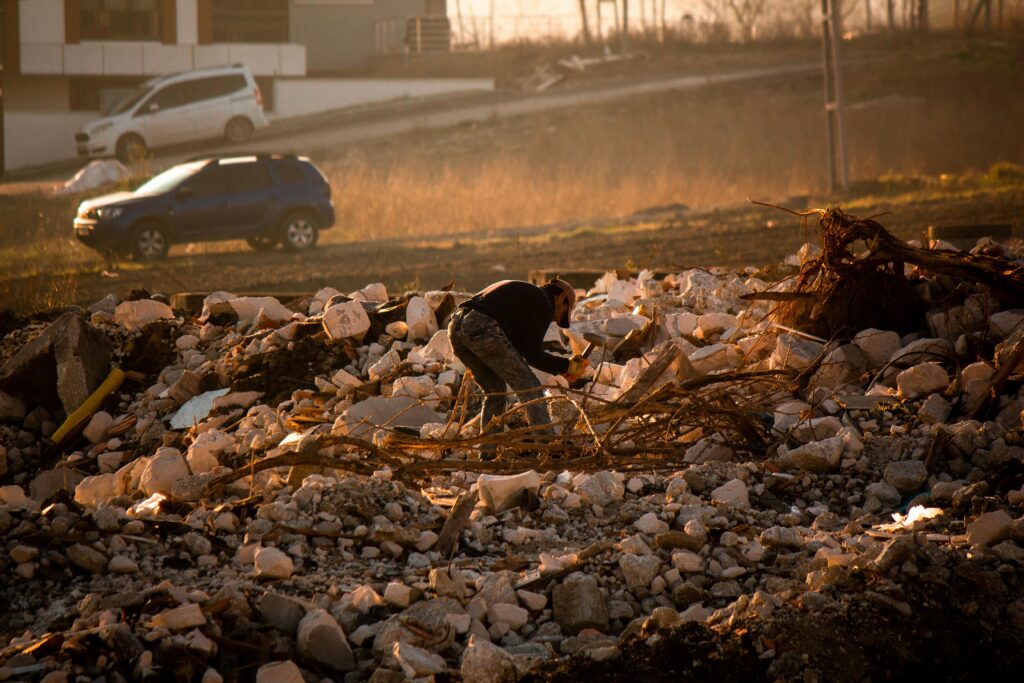
Ever opened your mailbox to find a $47,000 invoice for oil spill cleanup… and realized your standard homeowner’s policy treats it like confetti at a parade—i.e., not covered? Yeah. I fielded that call from a client in rural Ohio last November. He’d inherited an old workshop with a leaky underground diesel tank. By the time he noticed the sheen on his creek, state regulators had slapped him with mandatory remediation orders—and zero sympathy.
If you own property, run a small business, or even manage rental units near industrial zones, “cleanup cost reimbursement” isn’t just jargon—it’s your financial lifeline when pollution strikes. In this post, you’ll learn:
- Exactly what “cleanup cost reimbursement” means in pollution insurance policies
- Why standard liability or property insurance won’t cover environmental remediation
- How to choose a policy that actually pays out (not just collects premiums)
- Real-world claim examples—including one that saved a family farm from bankruptcy
Table of Contents
- Why Cleanup Cost Reimbursement Matters (More Than You Think)
- How to Get Covered: A Step-by-Step Guide to Pollution Insurance
- 5 Non-Negotiable Tips for Maximizing Your Reimbursement
- Real Claim Case Studies: When Cleanup Cost Reimbursement Saved the Day
- FAQs About Cleanup Cost Reimbursement
Key Takeaways
- Cleanup cost reimbursement is a core feature of pollution legal liability (PLL) or contractors pollution liability (CPL) policies—not standard property insurance.
- The average commercial pollution claim exceeds $150,000 (ISO, 2023); residential incidents often cost $20K–$60K.
- Policies vary wildly: some exclude pre-existing conditions, others cap reimbursement per occurrence.
- Filing a claim requires documentation from state-certified environmental consultants—DIY estimates won’t cut it.
- Never assume your credit card’s “purchase protection” covers environmental damage—it doesn’t.
Why Cleanup Cost Reimbursement Matters (More Than You Think)
Let’s get brutally honest: most people think “pollution insurance” is for oil rigs and chemical plants. Wrong. Leaky septic systems, abandoned fuel tanks, mold from chronic water intrusion, even improper disposal of old paint cans can trigger mandatory cleanup orders from state environmental agencies—and those bills land squarely on your doorstep.
I once reviewed a policy for a boutique winery owner in Sonoma. She’d used her personal American Express Platinum for vineyard equipment repairs—thinking its “extended warranty” offered backup. Spoiler: it didn’t cover soil testing after a hydraulic fluid leak contaminated her irrigation pond. Her insurer denied the claim because the policy excluded “gradual contamination.” She paid $38,000 out of pocket. That stings more than cheap rosé.
Here’s the hard truth: standard homeowners, commercial general liability (CGL), and even umbrella policies almost always exclude “pollutants” via the infamous absolute pollution exclusion clause. That means unless you’ve got a standalone or endorsed pollution policy with explicit cleanup cost reimbursement, you’re personally liable.
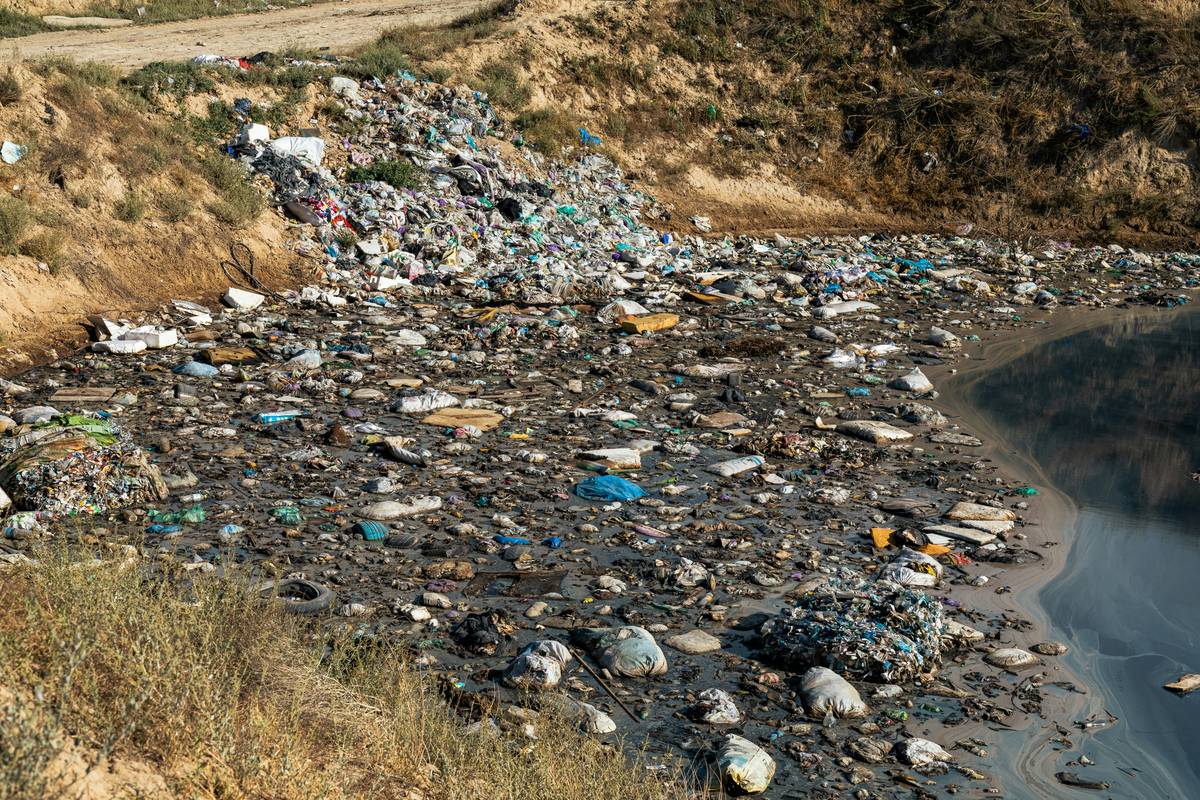
According to the Insurance Services Office (ISO), over 70% of small businesses lack adequate pollution coverage. Meanwhile, the EPA reports that 542,000 underground storage tanks nationwide are still unregistered—many on private properties. If one fails on your watch? Hello, six-figure bill.
How to Get Covered: A Step-by-Step Guide to Pollution Insurance
Step 1: Identify Your Exact Risk Profile
Are you a landlord with aging plumbing? A contractor handling solvents? A homeowner with a 1970s-era oil furnace? Your exposure dictates your policy type:
- Residential Site Pollution Liability: For homeowners with known or potential contamination (e.g., old tanks).
- Contractors Pollution Liability (CPL): Covers accidental releases during work (e.g., HVAC tech puncturing a refrigerant line).
- Pollution Legal Liability (PLL): Broad coverage for existing or sudden/accidental pollution on owned/leased sites.
Step 2: Demand Explicit “Cleanup Cost Reimbursement” Language
Don’t just buy “pollution insurance.” Scrutinize the insuring agreement. It must state:
“The insurer will reimburse the insured for reasonable and necessary costs incurred to clean up pollutants as required by law or directed by a governmental authority.”
If it says “defense costs only” or “third-party bodily injury,” walk away. You need first-party cleanup coverage.
Step 3: Verify Pre-Existing Condition Clauses
Many policies exclude contamination that existed before the policy inception—even if undiscovered. Push for “non-owned prior acts” or “innocent landowner” extensions if you inherited the property.
Step 4: Confirm Coverage Limits Match Realistic Costs
Minimum recommended: $100,000 for residential; $500,000+ for commercial. Remember—cleanup includes soil removal, groundwater treatment, air monitoring, and regulatory compliance fees.
Step 5: File Claims Correctly (Or Get Denied)
You must hire a state-licensed environmental consultant to document the incident, scope work, and submit invoices. Insurers reject claims lacking EPA Method-compliant lab reports or Department of Environmental Quality (DEQ) orders.
5 Non-Negotiable Tips for Maximizing Your Reimbursement
- Report immediately—Most policies require notice within 30–60 days of discovering contamination. Delay = denial.
- Never self-remediate—Even calling a handyman to “dig up the smelly dirt” voids coverage. Wait for insurer-approved vendors.
- Bundle with contractor licenses—If you’re a tradesperson, CPL is often required for municipal permits. Get it through your professional association for group rates.
- Avoid “occurrence” vs. “claims-made” traps—Claims-made policies only cover incidents reported during the policy term. Occurrence-based covers events that happened while active, even if claimed later.
- Ask about restoration vs. replacement costs—Some policies pay only for “functional equivalent” cleanup, not full environmental restoration.
Grumpy Optimist Dialogue:
Optimist You: “Just read your policy fine print!”
Grumpy You: “Ugh, fine—but only if my coffee’s spiked with enough caffeine to survive actuarial tables.”
Real Claim Case Studies: When Cleanup Cost Reimbursement Saved the Day
Case 1: The Family Farm That Almost Died
A dairy farm in Wisconsin inherited a 1950s-era manure lagoon. During heavy rains, runoff breached containment, contaminating a neighbor’s well. The DNR mandated $210,000 in soil excavation and water treatment. Their PLL policy (with $250K cleanup cost reimbursement) covered 100% after a $5K deductible. Without it? Foreclosure.
Case 2: The Roofer Who Punctured More Than a Roof
An Atlanta roofing crew accidentally drilled into an underground fuel line while installing solar panels. Diesel flooded a storm drain. Their CPL policy reimbursed $89,000 for vacuum truck services, absorbent booms, and DEP-mandated groundwater testing—all within 45 days of filing.
Case 3: The Airbnb Host’s Mold Nightmare
After a guest complained of respiratory issues, an inspection revealed toxic black mold behind bathroom walls (from undetected pipe leaks). The insurer initially denied the claim, citing “gradual damage.” But because the policy included “sudden and accidental discharge” language + a rider for indoor air quality, they reimbursed $32,000 in remediation costs.
FAQs About Cleanup Cost Reimbursement
Does my homeowner’s insurance cover pollution cleanup?
Almost never. Standard HO-3 policies include the absolute pollution exclusion. You need a separate endorsement or standalone policy.
Can I use my credit card’s purchase protection for cleanup costs?
No. Credit card protections cover defective merchandise or fraud—not environmental liabilities. Don’t confuse “purchase protection” with “liability coverage.”
What counts as a “pollutant” under these policies?
Broadly: chemicals, fuels, asbestos, lead, mold, sewage, pesticides—even excessive nutrients like nitrogen from fertilizers. Check your policy’s definition.
How long does reimbursement take?
30–90 days after submitting all documentation (consultant reports, regulatory orders, invoices). Delays happen if scope-of-work disputes arise.
Is cleanup cost reimbursement taxable income?
Generally no—it’s considered compensation for loss, not income. But consult a CPA; IRS rules vary by circumstance.
Conclusion
Cleanup cost reimbursement isn’t a luxury—it’s essential risk management for anyone who owns, leases, or works on real property. Pollution incidents are more common (and costly) than you think, and standard insurance won’t save you. By securing the right pollution policy with explicit cleanup coverage, documenting everything meticulously, and acting fast when disaster strikes, you protect your assets, your livelihood, and your peace of mind.
So next time you hear “environmental insurance,” don’t tune out. Tune in. Because that $50 monthly premium could be the difference between financial ruin and a clean slate.
Like a Tamagotchi, your pollution policy needs daily attention—or it dies when you need it most.