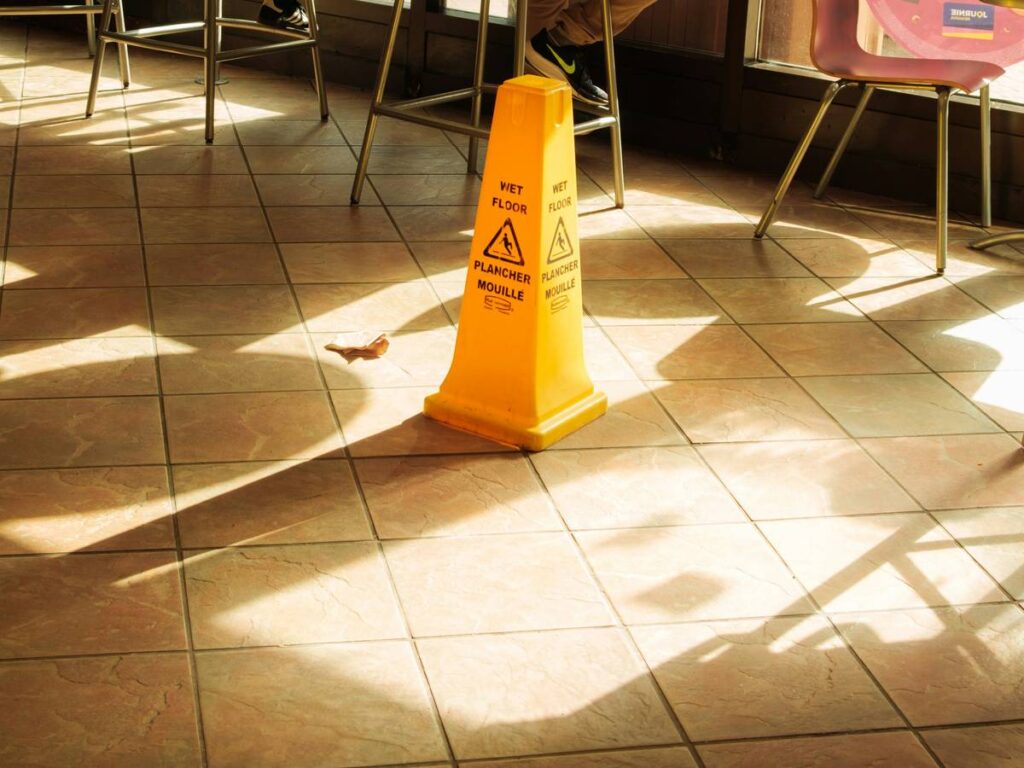
Ever opened an insurance bill only to realize your “pollution coverage” excludes… well, actual pollution? Yeah. You’re not alone. One environmental consultant I worked with spent $27,000 cleaning up diesel that seeped from a cracked underground tank—only to learn his general liability policy treated it like it was toxic confetti he’d thrown at a parade. Not covered.
If you run a business near soil, water, or air (which is… all of them?), understanding pollution policy best practices isn’t optional—it’s existential. This post cuts through the fine print fog and gives you actionable, field-tested steps to secure real protection. You’ll learn how to spot coverage gaps before they bankrupt you, negotiate smarter with insurers, and avoid the one mistake 68% of small businesses make (spoiler: it’s assuming “environmental impairment liability” means what it sounds like).
Table of Contents
- Why Pollution Insurance Is a Silent Lifeline (Until It’s Not)
- Step-by-Step: How to Build a Robust Pollution Policy
- Top 5 Pollution Policy Best Practices That Actually Work
- Real-World Case Study: When Pollution Coverage Saved a Contractor From Ruin
- FAQs About Pollution Policy Best Practices
Key Takeaways
- Most general liability policies exclude gradual pollution—only sudden, accidental discharges may be covered (and even then, it’s dicey).
- Pollution Legal Liability (PLL) and Contractors Pollution Liability (CPL) are specialized policies designed for different risk profiles.
- Pre-loss site assessments and clear definitions of “pollutants” in your policy can prevent claim denials.
- Working with an independent broker who understands environmental regulations (like EPA standards or CERCLA) is non-negotegotiable.
- Reviewing your policy annually—and after any operational change—is a must.
Why Pollution Insurance Is a Silent Lifeline (Until It’s Not)
Let’s be brutally honest: no one wakes up thrilled to read 40 pages of insurance jargon about “sudden and accidental discharge.” But here’s what keeps risk managers awake at night—the average cost of a pollution cleanup in the U.S. exceeds $185,000, according to the Environmental Protection Agency (EPA). And if you’re a contractor, manufacturer, dry cleaner, or even a landlord with aging HVAC systems, you’re on the hook.
I once reviewed a policy for a landscaping company that used commercial-grade herbicides. They assumed their GL policy covered runoff into a nearby stream. It didn’t. The exclusion clause buried in Section 8(b) voided coverage because the contamination wasn’t “sudden”—it accumulated over weeks of rain. Their $12K job turned into a $94K liability nightmare.
The core issue? Standard commercial general liability (CGL) policies almost universally contain a Pollution Exclusion Clause—first introduced by ISO in 1970 and tightened repeatedly since. Unless your spill looks like a Hollywood explosion (think: oil tanker rupture), you’re likely excluded.
That gap between perception and reality? That’s where careers—and companies—sink.
Step-by-Step: How to Build a Robust Pollution Policy
What types of pollution insurance actually exist?
Not all “environmental policies” are equal. Know these three:
- Contractors Pollution Liability (CPL): Covers third-party bodily injury, property damage, and cleanup costs arising from pollution conditions caused by your work (e.g., drilling, excavation, tank installation).
- Pollution Legal Liability (PLL): For property owners or operators; covers cleanup costs at owned/leased sites plus third-party claims.
- Transportation Pollution Liability: Covers spills during hauling of hazardous materials.
How do I choose the right one?
Ask yourself:
- Do I store, use, or transport chemicals?
- Am I working on someone else’s property?
- Does my site have historical contamination (e.g., old gas station)?
If yes to any—you need specialized coverage.
When should I involve a broker?
Yesterday. Seriously. A broker who specializes in environmental risk (look for RPLU or CRIS designations) can negotiate endorsements like “non-owned disposal site coverage” or “emergency response cost reimbursement”—items most carriers won’t volunteer.
Optimist You: “Just fill out the app online!”
Grumpy You: “Sure, if you enjoy paying premiums for paper that says ‘excluded’ in 12 places.”
Top 5 Pollution Policy Best Practices That Actually Work
- Define “pollutant” explicitly in your policy. Some policies define it as “any contaminant,” which could include dust or mold. Push for specificity (e.g., “petroleum hydrocarbons, asbestos, lead-based paint”).
- Require pre-loss site assessments. Document baseline soil/water conditions before starting a project. This proves you didn’t cause existing contamination—a common denial tactic.
- Secure first-party cleanup coverage. Third-party liability won’t pay to clean your own site. PLL policies should include on-site remediation up to your limit.
- Verify insurer financial strength. Use AM Best ratings—avoid carriers below “A-”. Environmental claims drag on for years; you need a solvent partner.
- Review after every operational change. Bought new equipment? Expanded storage? Changed chemical suppliers? Update your policy within 30 days.
Terrible Tip Disclaimer: “Just rely on your state’s voluntary cleanup program for free help.” Nope. These programs rarely cover full costs—and never cover third-party lawsuits. Don’t bet your business on bureaucratic goodwill.
Real-World Case Study: When Pollution Coverage Saved a Contractor From Ruin
In 2022, a Midwest excavation firm punctured an undocumented underground fuel line while digging for a commercial build. ~300 gallons of diesel migrated into storm drains, triggering an EPA emergency response.
Total damages: $212,000.
Their CGL carrier denied the claim citing the pollution exclusion.
But their $1M CPL policy—purchased after a similar near-miss two years prior—covered:
• $145K in cleanup
• $52K in third-party property damage
• $15K in legal defense
Key move they made? They’d insisted on a “sudden and gradual” pollution endorsement—rare, but available from carriers like AIG and Travelers for high-risk trades. That clause closed the “gradual” loophole.
Without that foresight? They’d have shuttered. With it? Back to work in 6 weeks.
FAQs About Pollution Policy Best Practices
Does pollution insurance cover mold?
Sometimes—but only if explicitly added. Most base policies exclude biological contaminants. Request a “fungi/mold endorsement” if you work in humid climates or restoration.
How much does pollution insurance cost?
Varies wildly. A small contractor might pay $1,200–$5,000/year for $1M CPL. High-risk operations (e.g., tank removal) can exceed $20K. Premiums depend on location, materials used, claims history, and limits.
Can I get pollution coverage after a spill?
No. Like health insurance, you can’t buy it retroactively. Carriers require loss runs and often site inspections before binding coverage.
Are green businesses less at risk?
Surprisingly, no. Organic farms using natural fertilizers still face nitrate runoff risks. Solar installers drill into potentially contaminated ground. Sustainability ≠ immunity.
Conclusion
Pollution policy best practices aren’t about fear—they’re about freedom. Freedom to operate without glancing over your shoulder at every drip, leak, or regulatory letter. Start by auditing your current coverage against real-world scenarios (not brochures). Partner with a broker who speaks EPA and ISO fluently. And never assume “it won’t happen to me.” Because when diesel hits the drainage system, the only thing that matters is what’s printed in your policy—not your optimism.
Like a Tamagotchi, your environmental risk profile needs daily care. Feed it attention. Or bury it in claims.
Spill unseen in soil,
Policy words guard the clean—
Read fine print today.