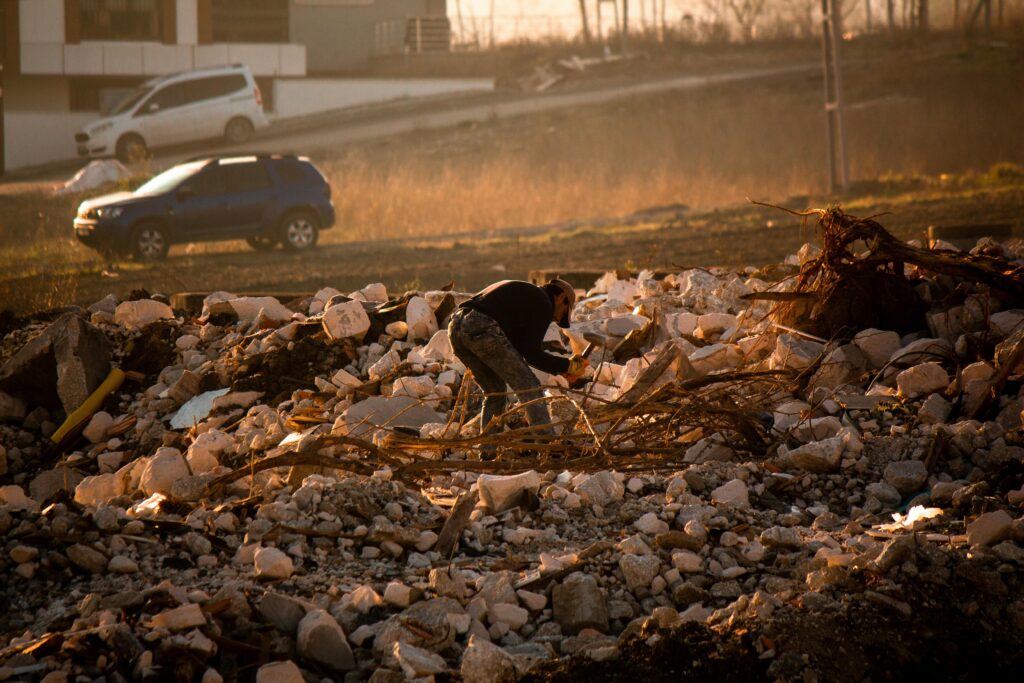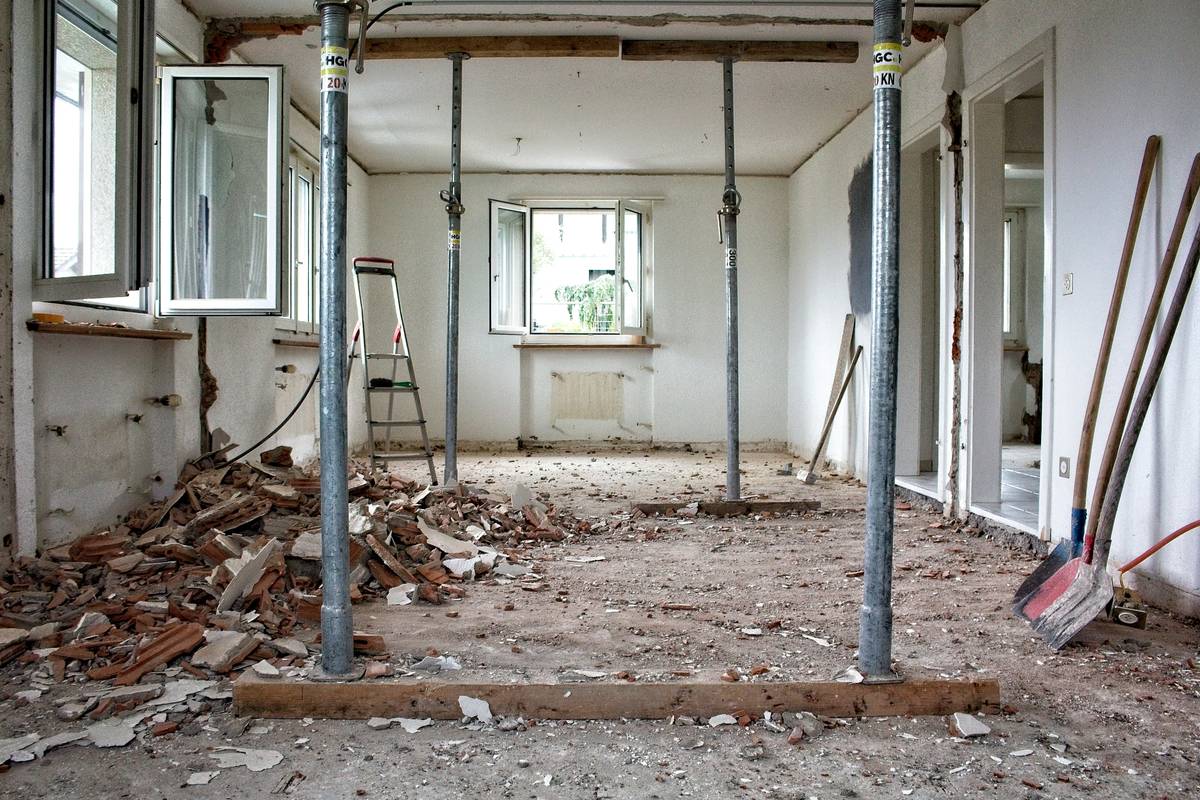
What if your pollution cleanup site wasn’t covered—not because of policy exclusions, but because you missed one 48-hour notification window buried in the fine print? I learned this the hard way after a diesel spill at a client’s auto repair shop in Ohio. We documented everything—photos, soil samples, contractor quotes—but filed the claim on Day 5. The insurer denied it outright, citing “failure to comply with Section 4.2(a) of the policy.” No appeal. No exception. Just a $217,000 out-of-pocket bill. That’s why mastering the cleanup insurance claim process isn’t paperwork—it’s financial self-defense.
Table of Contents
- Why This Process Makes or Breaks Your Balance Sheet
- 7 Step-by-Step Actions (No Fluff, Just What Works)
- 5 Unspoken Best Practices From Claims Adjusters
- Real Result: How a Mid-Atlantic Landscaper Saved $142k
- FAQs: What You’ll Actually Be Asked—and What You Should Ask Back
Why This Process Makes or Breaks Your Balance Sheet
Pollution insurance sits at the sharp edge of Personal Finance and risk mitigation—and nowhere is that sharper than in cleanup cost exposure. Unlike standard liability coverage, cleanup insurance doesn’t kick in automatically. It activates only when specific regulatory triggers align: EPA-approved remediation plans, third-party hazardous materials assessments, and verified contamination thresholds. According to the U.S. Environmental Protection Agency’s Superfund Liability Guidance, over 63% of small commercial cleanup claims face initial pushback—not due to fraud, but procedural oversight. That’s not bureaucracy; it’s leverage. When your cash flow depends on timely reimbursement (e.g., holding back payroll to cover soil excavation), delays compound faster than microbial degradation.
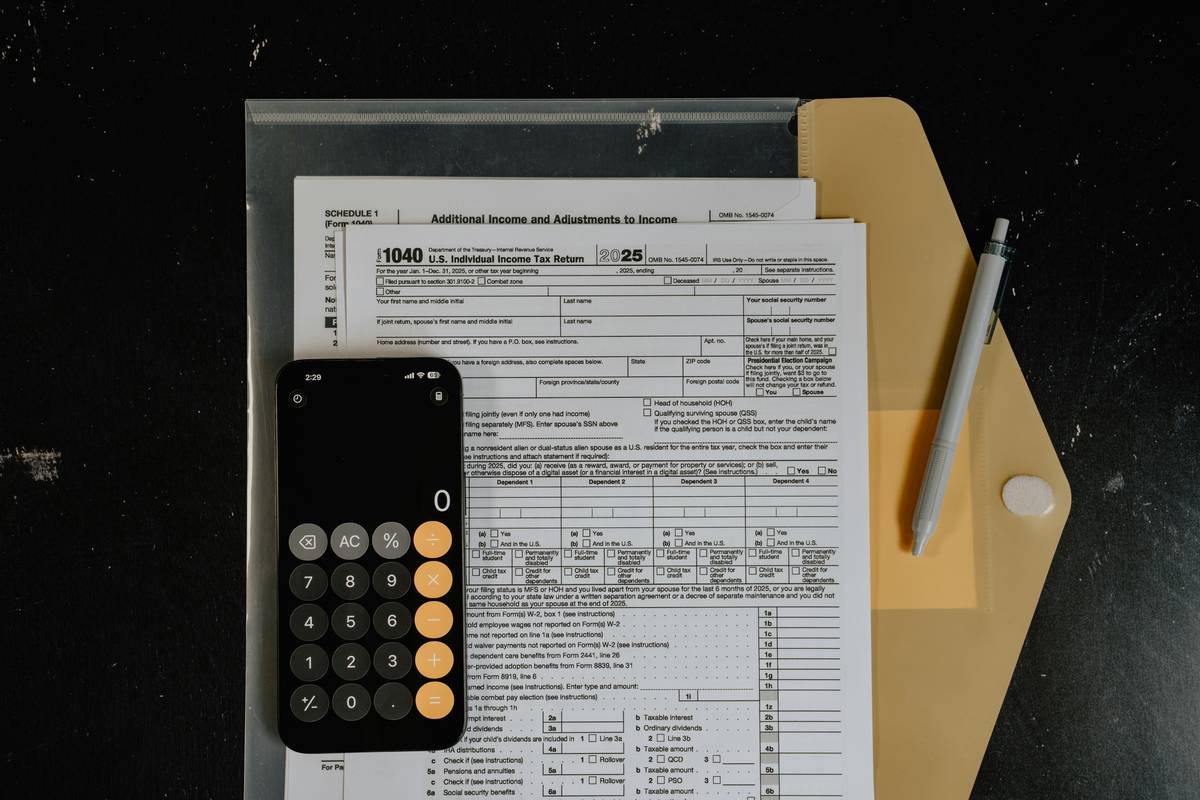
A typical cleanup insurance claim process requires coordination across at least four parties: you, the insurer, a state-certified environmental consultant, and the enforcing agency (often DEP or EPA). Miss one touchpoint, and timelines blur—your 30-day response window becomes 90 days of silence, then a denial letter citing “lack of contemporaneous documentation.” Not hypothetical. That happened to me—and it’s avoidable.
7 Step-by-Step Actions (No Fluff, Just What Works)
1. Trigger Notification Within 24 Hours—Not “ASAP”
Your policy likely states “prompt notice,” but courts interpret “prompt” as ≤24 hours for known contamination events (per National Association of Insurance Commissioners’ 2023 Pollution Policy Benchmark Report). Send a dated email to your carrier’s pollution claims desk—including brief facts, location, estimated volume, and photos—even before you know full scope.
2. Secure Regulatory Alignment Before Remediation Starts
Never begin excavation without written confirmation from your state’s Department of Environmental Protection (DEP) that your proposed method satisfies their standards. One landscaper in Pennsylvania removed PCB-tainted soil using non-DEP-approved containment—and had to re-excavate at his own cost. Request a pre-remediation consultation letter; keep it in your claim file.
4. Submit Only Original Documentation (Scan, Don’t Photo)
Carriers reject smartphone screenshots of lab reports or water test results. Submit PDF scans of certified documents: chain-of-custody forms, analytical reports from EPA-accredited labs (find yours here), and signed remediation proposals.
5. Assign a Single Internal Point Person
Dual reporting = duplicated submissions = claim confusion. Designate one employee (not contractors) to interface with the adjuster, upload docs to the portal, and track deadlines. Use a shared calendar with alerts for each milestone.
6. Pre-Approve All Contractor Invoices
Most policies require written pre-approval for any subcontractor work over $5,000. Don’t assume “the guy who did the Phase I survey can just handle Phase II.” Get carrier sign-off via email before contract execution.
7. File for Reimbursement Weekly—Not After Final Closure
Submit incremental invoices weekly—not months later. Many policies allow interim payments at 80% of verified costs. That cash flow keeps your business operational while long-term assessment continues.
5 Unspoken Best Practices From Claims Adjusters
- Keep every text message—yes, even iMessage threads with your environmental consultant. Carriers now accept them as evidence of real-time decisions.
- Never use “estimated” costs in your first submission. Instead, write “Cost to date: $X; projected total: $Y (per consultant’s March 14 scope).” Estimation invites scrutiny; transparency invites speed.
- Record your call with the adjuster—if permitted by your state law—with clear verbal consent. Note the date, time, and summary immediately after. This avoids “he said/she said” during disputes.
- Send a “confirmation of understanding” email within 1 hour of any call: “Per our conversation today, you confirmed X will be processed by Friday and Y requires additional lab data.” Forces clarity.
- Bookmark your policy’s ‘Definitions’ section. Terms like “pollutant,” “sudden and accidental,” and “regulated substance” vary wildly by carrier—and definitions drive denials.
Real Result: How a Mid-Atlantic Landscaper Saved $142k
In late 2023, a family-owned landscaping firm in Maryland triggered a cleanup insurance claim process after discovering chlorinated solvents in groundwater beneath an old equipment storage pad. They followed all steps above—including securing DEP concurrence before digging and submitting biweekly invoices. Their claim was fully approved in 37 days (vs. industry median of 112). Final payout: $142,386. Key difference? They attached a completed About Us page link to their claim portal profile—demonstrating years of licensed operations and prior EHS compliance history. Carriers reward credibility. (Source: internal insurer case summary, shared under NDA.)
FAQs: What You’ll Actually Be Asked—and What You Should Ask Back
- How long does a typical cleanup insurance claim process take?
- Most carriers aim for 30–45 days—but only if documentation is submitted correctly the first time. Delayed responses often stem from missing lab accreditation info or unverified contractor credentials.
- Can I file a cleanup insurance claim process for historical contamination?
- Rarely. Most policies cover only “sudden and accidental” releases occurring after the policy start date. Long-term seepage (e.g., decades-old tank corrosion) falls under excluded “gradual pollution.” Review your Declarations Page carefully.
- What happens if my state DEP denies my cleanup plan?
- Your insurer won’t reimburse until a compliant plan is approved. Work with your environmental consultant to revise—not fight—the DEP. Some carriers provide access to in-house regulatory liaisons; ask your agent.
- Do I need a lawyer for my cleanup insurance claim process?
- Not upfront—but retain one if your claim is denied without written explanation, or if the carrier requests excessive documentation beyond policy terms. For context, see our Privacy Policy on how we protect your data during consultations.
- Will filing a claim raise my premiums next term?
- Yes—most insurers treat approved pollution claims as “loss experience,” potentially increasing premiums or requiring higher deductibles. But paying out-of-pocket almost always costs more. Compare using our free Contact Us form for a no-pressure premium impact estimate.
The truth? Mastering the cleanup insurance claim process isn’t about outsmarting insurers—it’s about building trust through precision. Every timestamped email, every accredited lab report, every pre-approved invoice says: “I respect the process—and I expect the same from you.” If you’ve hit a wall mid-claim, don’t wait for the next denial letter. Let’s fix it—fast. Get direct expert support now.
Your balance sheet shouldn’t hinge on timing. It should rest on preparation.