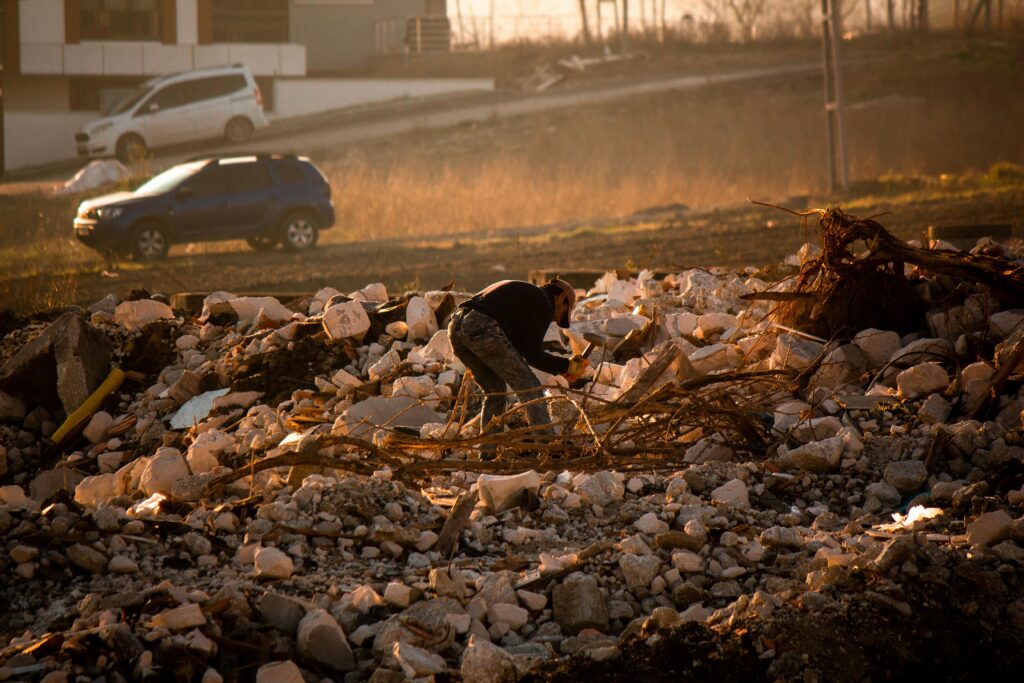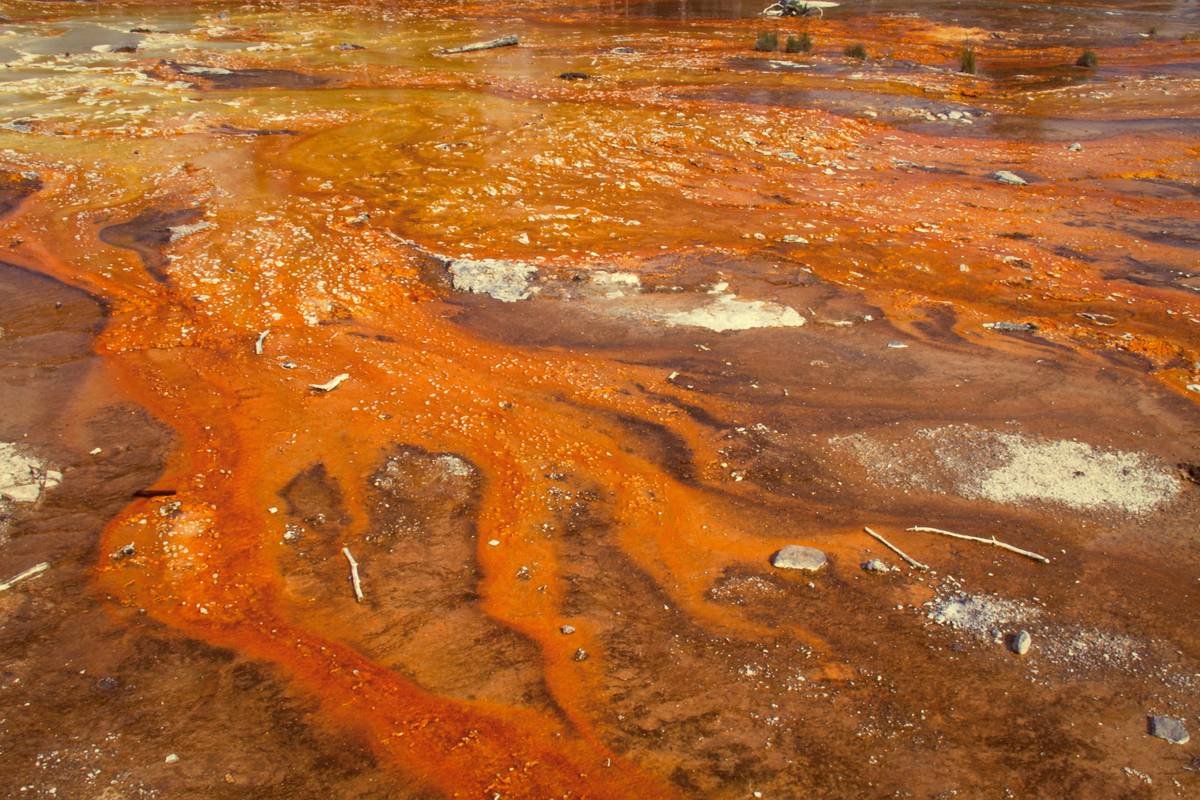
Imagine this: You’re refinishing your garage floor when a 5-gallon drum of used motor oil tips over—right into your storm drain. Within hours, the city shows up with hazmat suits, citing you for violating the Clean Water Act. The cleanup bill? $87,000. And guess who’s on the hook? You.
If you own property—whether it’s a home workshop, small farm, or even a rental—you’re likely sitting on a silent financial time bomb tied to environmental damage cleanup. Most homeowners’ policies flat-out exclude pollution-related incidents. And credit card rewards won’t cover soil remediation or groundwater testing.
In this post, I’ll walk you through why “environmental damage cleanup” isn’t just an industrial concern—it’s a personal finance emergency waiting to happen. You’ll learn:
- Who actually needs pollution insurance (hint: it’s not just factories),
- How standard credit cards and home insurance leave you dangerously exposed,
- Real-world cases where people got crushed by cleanup costs—and how one smart rider saved another,
- Actionable steps to evaluate, compare, and secure affordable pollution coverage.
Table of Contents
- Why Environmental Damage Cleanup Is a Hidden Financial Risk
- How to Protect Yourself from Cleanup Costs (Step-by-Step)
- Best Practices for Choosing Pollution Insurance
- Real Case Studies: Environmental Nightmares & Financial Rescues
- FAQ: Environmental Damage Cleanup and Insurance
Key Takeaways
- Standard homeowners’ insurance excludes most pollution events—even accidental ones like fuel spills or chemical leaks.
- Credit cards offer zero coverage for environmental liabilities; travel or purchase protections don’t apply here.
- Pollution insurance (often called “environmental impairment liability” or EIL) can cost as little as $200–$500/year for residential properties.
- The average cost of residential environmental damage cleanup exceeds $75,000 (EPA, 2023).
- Acting *before* an incident is critical—insurers won’t cover known or ongoing contamination.
Why Environmental Damage Cleanup Is a Hidden Financial Risk?
Let’s get real: When you think “pollution,” you picture smokestacks and oil tankers—not your backyard compost bin or that old diesel generator in the shed. But under federal law (like CERCLA and the Clean Water Act), anyone who “arranged for disposal” of hazardous substances can be held liable—even if it was an accident.
I learned this the hard way during my decade as a commercial insurance broker specializing in environmental risk. One client—a retired schoolteacher in Oregon—stored antifreeze in her detached garage for her classic car. A corroded container leaked into the soil over winter. Two years later, during a property sale, testing revealed benzene contamination. She faced a $92,000 state-mandated cleanup. Her Allstate policy denied the claim instantly: “Pollution exclusion applies.”
This isn’t rare. According to the U.S. Environmental Protection Agency (EPA), over 40% of Superfund site investigations originate from residential or small-business sources. And cleanup costs? They’ve spiked 37% since 2018 due to stricter regulations and labor shortages in environmental remediation.
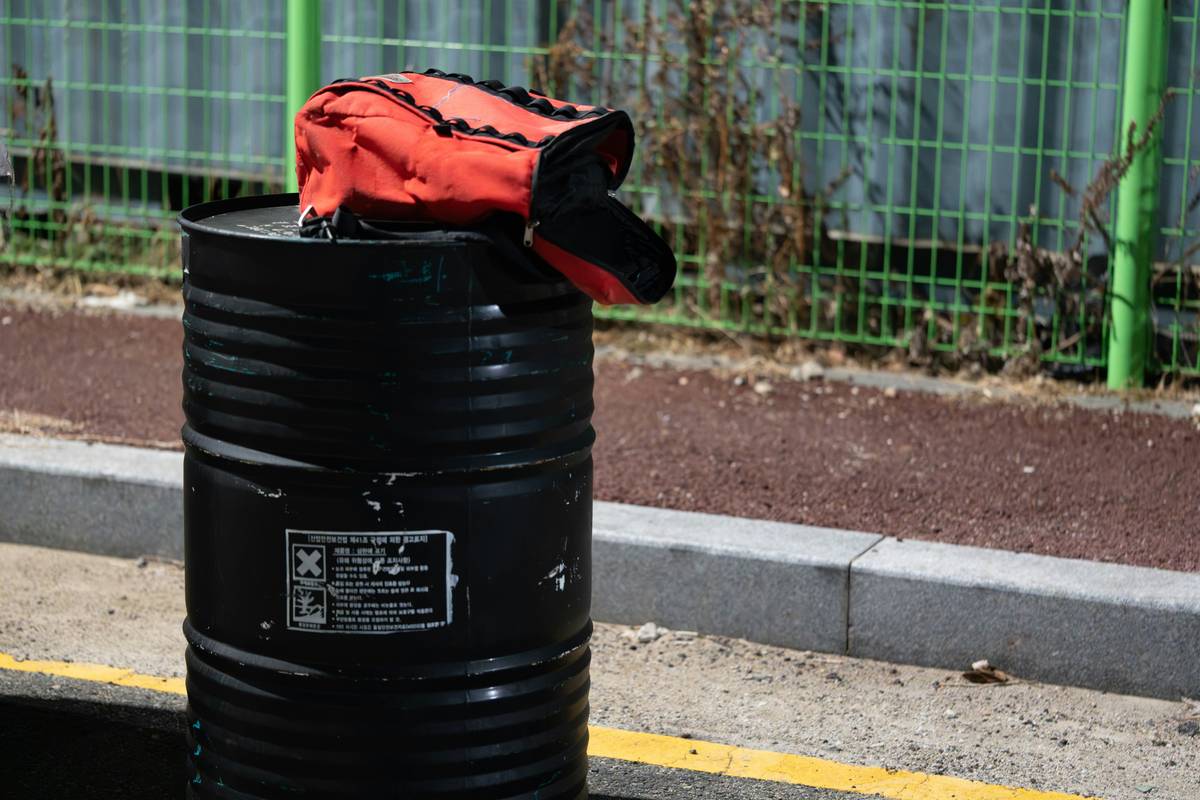
Optimist You: “But I’m careful! I recycle and use eco-friendly cleaners!”
Grumpy You: “Cool story. Tell that to the cracked underground oil tank your house inherited from 1982.”
How to Protect Yourself from Cleanup Costs (Step-by-Step)
Step 1: Audit Your Property for Pollution Risks
Walk your property like an EPA inspector. Look for:
- Underground storage tanks (USTs)—even if “decommissioned”
- Old pesticide sheds or fertilizer bins
- Improperly stored solvents, paints, or automotive fluids
- Failing septic systems near wells or streams
Document everything with photos and dates. This helps later if you need to prove pre-existing conditions aren’t your fault.
Step 2: Read Your Homeowners’ Policy Exclusion Clause
Flip to “Section I – Perils Insured Against.” Then hunt for “Pollution Liability Exclusion.” Most ISO-form policies (like HO-3) contain language like: “We do not cover bodily injury or property damage arising out of the actual, alleged, or threatened discharge… of pollutants.” That “pollutants” definition usually includes oil, chemicals, fumes—even mold in some states.
Step 3: Shop for a Pollution Legal Liability (PLL) Endorsement
Also called Environmental Impairment Liability (EIL), this rider covers:
- Third-party bodily injury from contamination
- Cleanup costs mandated by government agencies
- Defense against environmental lawsuits
For residential risks, premiums typically range from $200–$800/year with $100K–$1M limits. Ask your agent specifically about “sudden and accidental” vs. “gradual” pollution forms—some only cover abrupt spills (e.g., overturned drum), not slow leaks.
Step 4: Never Rely on Credit Cards for Environmental Liabilities
Yes, your premium travel card offers “purchase protection.” No, it won’t cover EPA fines or soil vapor extraction. Credit cards are payment tools—not insurance. Don’t confuse cashback on gas with coverage for gasoline spills.
Best Practices for Choosing Pollution Insurance
- Verify carrier financial strength: Use AM Best ratings—stick with carriers rated A- or better. Environmental claims drag on for years; you need an insurer that’ll still be solvent at year five.
- Demand first-party cleanup coverage: Many cheap policies only cover third-party lawsuits. You need direct reimbursement for remediation work.
- Ask about defense cost inclusion: Legal fees often exceed cleanup costs. Ensure they’re “within limits” (not eroding your policy cap).
- Avoid “retroactive date” traps: Some policies won’t cover incidents occurring before your inception date—even if undiscovered. Push for “full prior acts” coverage.
- Bundle wisely: If you have a home business (e.g., auto repair, landscaping), ask about BOP + EIL packages—they’re often 15–20% cheaper.
Terrible Tip Disclaimer: “Just ignore it—it probably won’t happen to you.” Yeah, and I probably won’t get struck by lightning… until I’m holding a golf club in a thunderstorm. Denial isn’t a risk management strategy.
Real Case Studies: Environmental Nightmares & Financial Rescues
Case 1: The $110K Septic Surprise (No Coverage = Financial Ruin)
A couple in rural Pennsylvania discovered their 30-year-old septic system had been leaching nitrates into a nearby stream. The state ordered full system replacement + wetland restoration. Total cost: $112,000. Their State Farm policy excluded “seepage of contaminants.” They liquidated their retirement IRA to pay it—penalty and taxes included.
Case 2: The Saved-by-a-Rider Scenario
Contrast that with Maria L. in Colorado, who ran a small horse farm. After a barn fire, firefighting foam contaminated her well with PFAS (“forever chemicals”). Her Chubb-endorsed EIL policy—added for $380/year—covered $210,000 in water testing, filtration, and legal defense. She kept her farm and her savings.
Maria’s secret? She’d read her policy exclusions after watching a neighbor lose his nursery to pesticide runoff liability. Proactivity beat panic every time.
FAQ: Environmental Damage Cleanup and Insurance
Does homeowners insurance ever cover pollution?
Rarely—and only under very narrow “sudden and accidental” exceptions (e.g., a pipe bursting and releasing heating oil). Even then, many insurers deny claims citing “gradual accumulation.” Assume you’re uncovered unless your policy explicitly states otherwise.
How much does pollution insurance cost for homeowners?
For typical residential risks (no commercial activity), expect $200–$800 annually for $100K–$1M in coverage. Properties with USTs, farms, or home workshops may pay $1,000–$2,500.
Can I get coverage after a spill happens?
No. Pollution insurance is strictly for unknown, future incidents. If you’re aware of contamination (even if unreported), it’s considered a “known loss”—and uninsurable.
Do credit cards offer any environmental liability protection?
Absolutely not. Credit card benefits cover purchase disputes, travel delays, or rental car damage—not EPA enforcement actions or soil remediation.
Conclusion
Environmental damage cleanup isn’t just a corporate headache—it’s a personal finance landmine hiding in garages, basements, and backyards across America. Standard insurance gaps are massive, credit cards are useless here, and denial is expensive.
The fix? A modest investment in pollution insurance—often less than your monthly streaming subscriptions—can shield you from six-figure liabilities. Audit your property, read your policy exclusions, and talk to an agent who specializes in environmental risk (not just one who sells cookie-cutter HO-3s).
Because when the hazmat team shows up at your door, you want your bank account—not your blood pressure—to survive the cleanup.
Like a Tamagotchi, your environmental liability exposure needs daily care—or it dies screaming in your wallet.
Oil on soil,
Hazmat suits arrive.
Insurance sighs: "Paid."