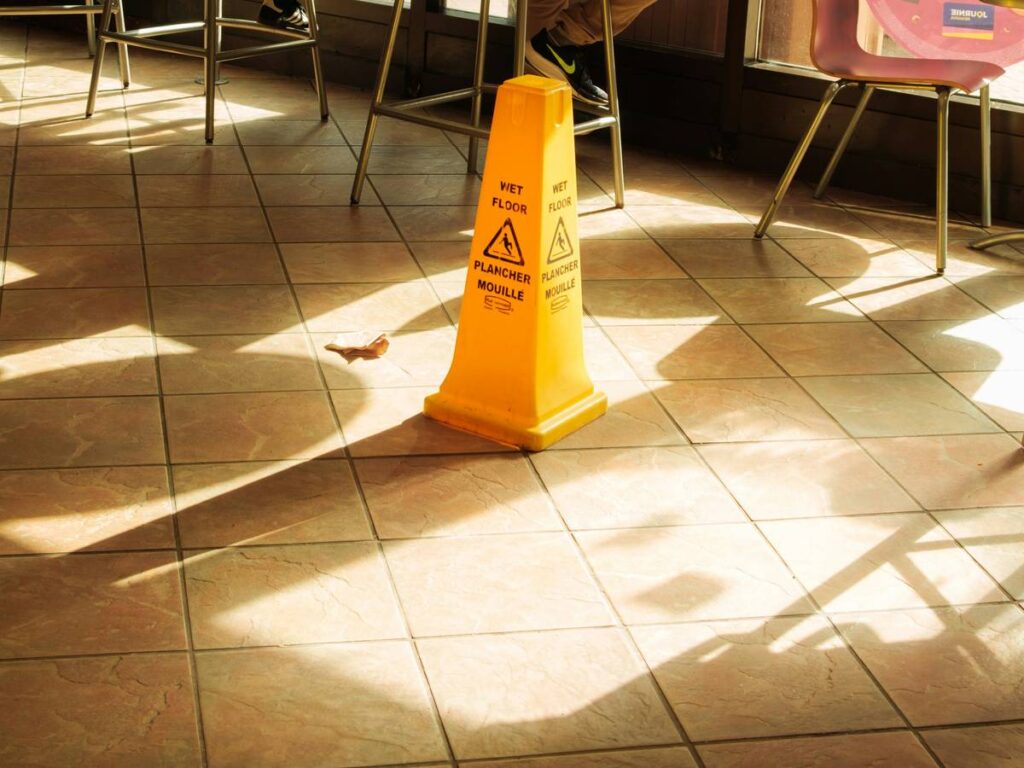
Ever wondered how much a single pollution incident could cost you? Spoiler alert: It’s enough to drain your savings, tank your credit score, and leave you drowning in debt.
In this post, we’ll uncover why pollution insurance isn’t just for big corporations but also for individuals managing personal finances. You’ll learn the ins and outs of pollution avoidance strategies, key steps to secure affordable coverage, and tips to avoid costly mistakes. Think of it as your financial armor against environmental risks.
Table of Contents
- Key Takeaways
- Why Pollution Insurance Matters
- Steps to Create Your Pollution Avoidance Plan
- Best Practices for Buying Pollution Insurance
- Real-World Examples of Financial Protection
- FAQs About Pollution Avoidance and Insurance
Key Takeaways
- Pollution incidents can lead to massive out-of-pocket expenses without proper coverage.
- A strategic pollution avoidance guide helps protect both health and wealth.
- Choosing the right pollution insurance requires understanding policy limits, exclusions, and premiums.
- Small actions like reducing waste or investing in green technologies slash exposure risks significantly.
Why Pollution Insurance Matters (The Wallet Truth)

Let me tell you about my “oh crap” moment when I ignored a leaky oil tank in an old garage. Sure, I thought ignoring it would save cash upfront—but fast-forward six months, and cleanup fees hit $15,000. That’s more than my annual car payment! Ever heard of hidden liabilities ruining budgets? Yeah, that was me.
Here’s the deal: pollution doesn’t care if you’re rich or broke. Environmental contamination—whether from asbestos, chemicals, or even pesticides—can strike anywhere. And guess what? Credit cards won’t cover everything. Personal liability policies often fall short too. Enter pollution insurance—a safety net tailored specifically for these disasters.
Optimist You: “It’s overkill; nothing will happen.”
Grumpy You: “Yeah, until it does—and then you’re stuck footing the bill.”
Steps to Create Your Pollution Avoidance Plan
If there’s one thing worse than dealing with pollution damage, it’s realizing it could’ve been avoided. Here’s how to future-proof yourself:
Step 1: Assess Potential Risks Around You

Start by identifying sources of contamination near your property. Are there industrial sites nearby? What about underground storage tanks? Tools like local EPA databases can provide valuable insights.
Step 2: Audit Your Household Habits
Honesty check: How eco-friendly are you really? Do you dispose of hazardous materials properly? If not, now’s the time to start. Simple swaps like switching to non-toxic cleaners or composting organic waste go a long way.
Step 3: Invest in Preventative Measures
This might mean installing sump pumps, sealing basements, or using energy-efficient appliances. Trust me, being proactive beats reactive repair bills any day.
Best Practices for Buying Pollution Insurance
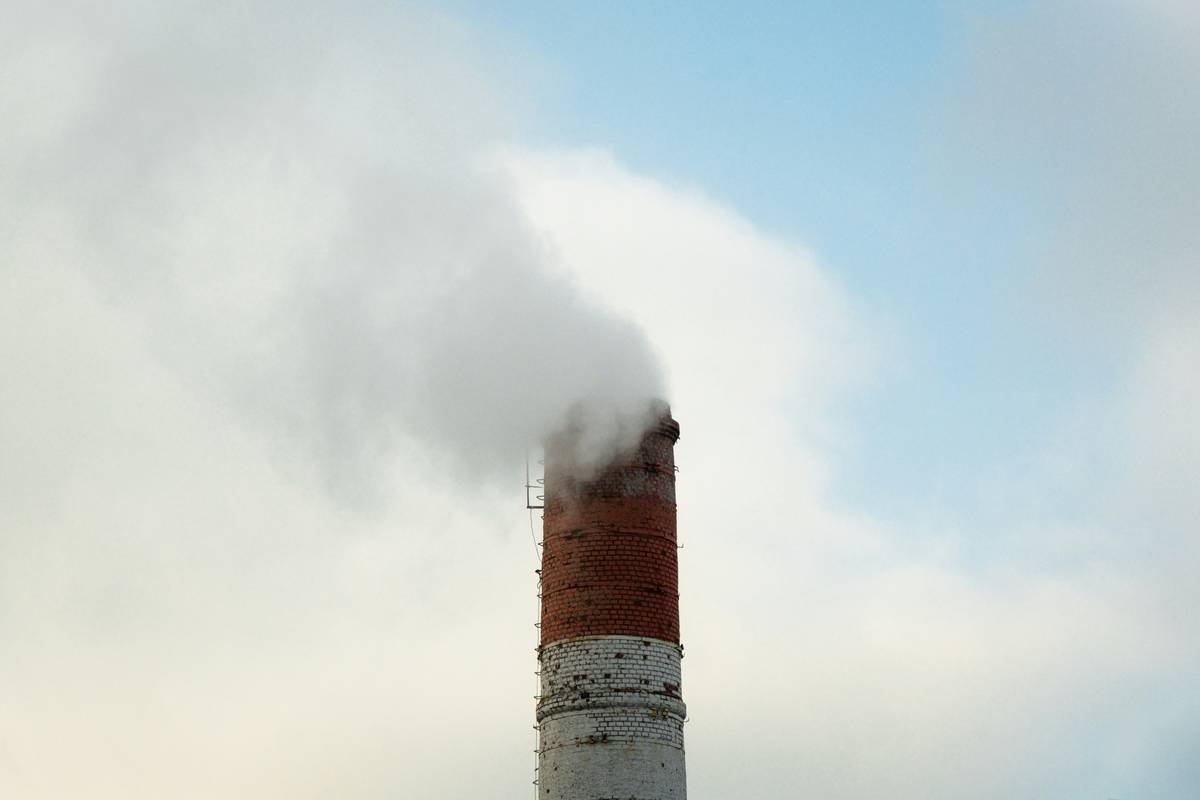
Buying coverage doesn’t have to feel like decoding ancient hieroglyphics. Follow these guidelines:
- Read Beyond the Sales Pitch: Policies differ wildly. Compare apples to apples on coverage limits and deductibles.
- Ask About Exclusions: Some carriers exclude mold remediation or groundwater contamination. Know what’s covered before signing up!
- Work with Specialists: Agents experienced in environmental risks can guide you better than generalists.
Terrible Tip Alert! Skipping reviews because “they all say the same thing”? Bad move. Customer feedback reveals hidden clauses and claims headaches others dealt with.
Real-World Examples of Financial Protection
Meet Sarah, a homeowner whose backyard chemical spill nearly wiped her out financially—but thanks to her $500/year pollution rider, she escaped unscathed after filing a claim. Or John, who underestimated stormwater runoff risks during renovations…and paid thousands instead of hundreds.
FAQs About Pollution Avoidance and Insurance
Q: Is pollution insurance worth the investment?
Absolutely. While rates vary based on location and risk levels, think of it as peace of mind for unforeseen disasters.
Q: Can renters benefit from pollution insurance?
Yes! Even tenants face liability risks due to things like improper disposal practices.
Q: Will bundling lower my premium?
Sometimes! Bundling with homeowners’ insurance often results in discounts.
Conclusion
Protecting your finances from pollution-related disasters starts with awareness—and ends with action. Use our pollution avoidance guide to take charge today. Remember, prevention always trumps reaction.
“Save trees, shield streams,
Guard wallets with green dreams.
Peace blooms clean.” 🌱✨