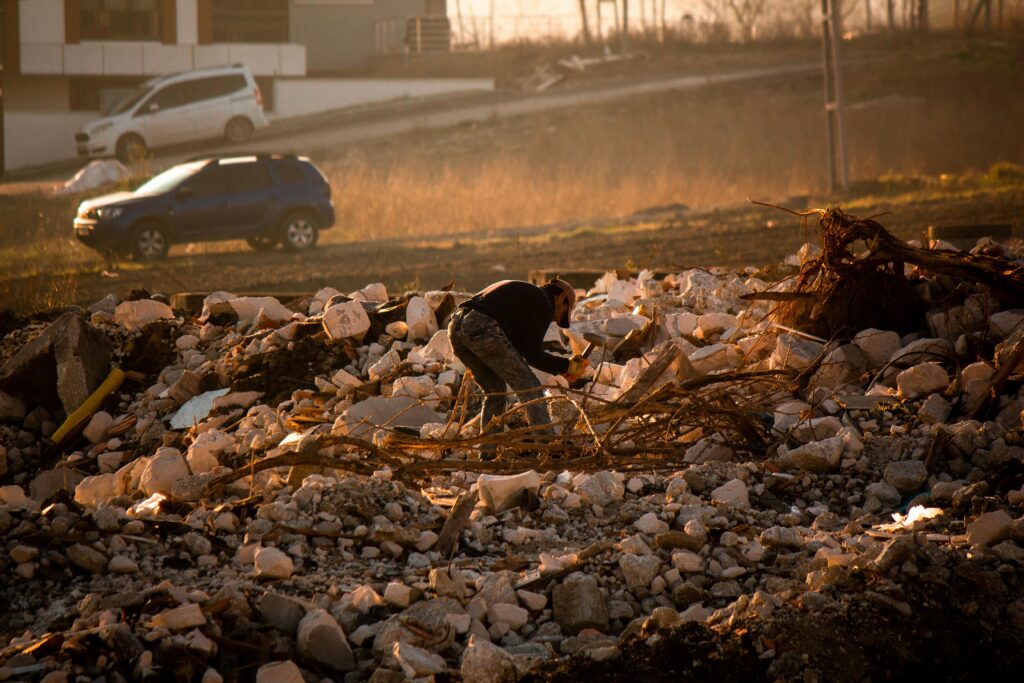
What if you woke up to find your property contaminated—not by your own doing, but by a neighboring industrial spill or underground leak—and faced cleanup bills running into six figures? It happens more often than you think. Environmental cleanup financing isn’t just for corporations; homeowners, small business owners, and even renters can find themselves on the hook for pollution-related remediation costs. In this guide, we’ll walk you through how to protect your finances before disaster strikes, secure coverage when it’s too late, and avoid the common traps that turn manageable situations into financial nightmares.
Table of Contents
- Why Environmental Cleanup Financing Matters in Personal Finance
- Your Step-by-Step Plan to Secure Coverage
- Smart Practices to Reduce Risk and Cost
- Case Studies That Changed Everything
- Frequently Asked Questions
Key Takeaways
- Standard homeowners or business insurance rarely covers pollution cleanup—specialized policies are required.
- Proactive environmental site assessments can prevent surprise liabilities during property transactions.
- Government programs like the EPA’s Brownfields Initiative offer grants and low-interest loans for eligible cleanup projects.
- Waiting until contamination is discovered often means paying out of pocket or facing legal penalties.
Why Environmental Cleanup Financing Matters in Personal Finance
Most people assume their homeowner’s insurance will cover any environmental damage. That’s dangerously wrong. Pollution exclusions are standard in nearly all general liability policies. According to the U.S. Environmental Protection Agency (EPA), over 450,000 contaminated sites exist across the U.S., many on or near residential or commercial properties. If you buy land with hidden contamination—or if a nearby facility leaks—you could be held financially responsible under the federal Superfund law, even if you didn’t cause the pollution.
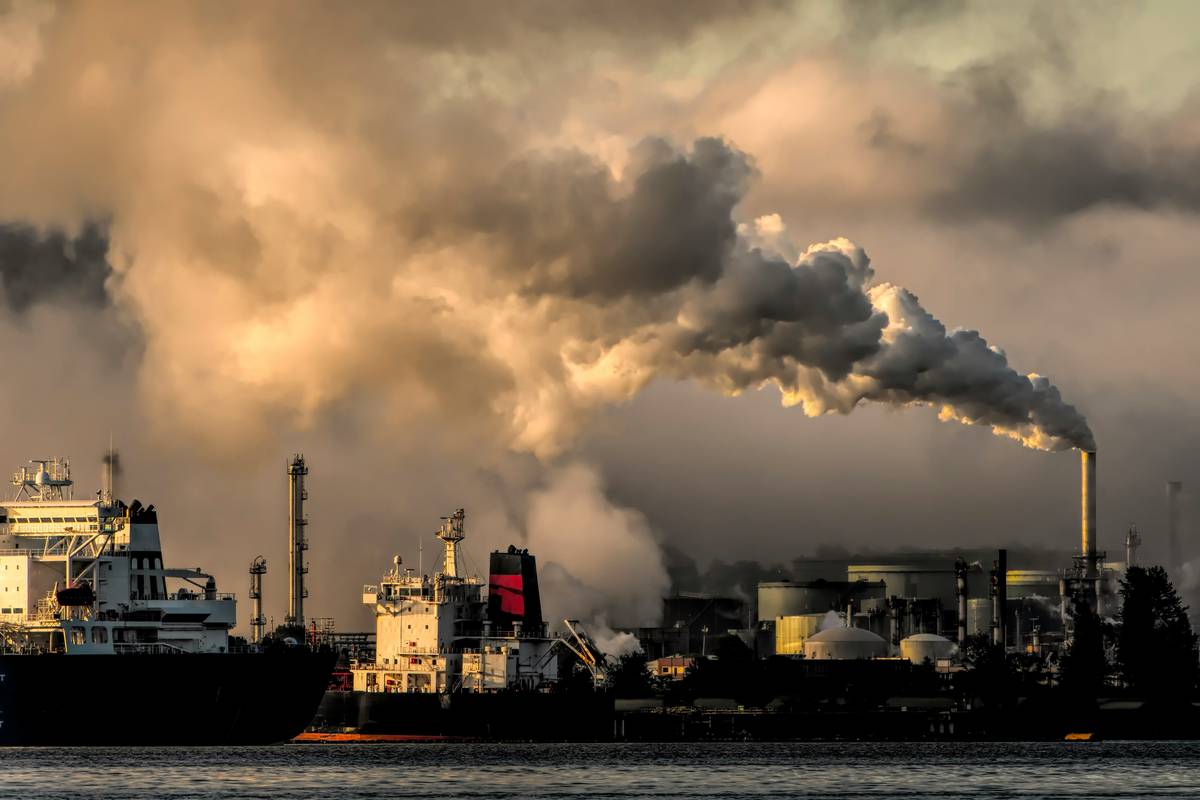
I learned this the hard way. A few years ago, I purchased a small commercial lot thinking it was a steal. Six months in, a routine inspection revealed decades-old chemical residues from a defunct auto shop. My insurer denied the claim outright, citing a “pollution exclusion clause.” I ended up paying $38,000 out of pocket before discovering specialized pollution insurance existed. Don’t be like me—get ahead of the risk.
Your Step-by-Step Plan to Secure Coverage
1. Assess Your Property’s Risk Profile
Hire an environmental consultant to conduct a Phase I Environmental Site Assessment (ESA). This non-intrusive review checks historical records, aerial photos, and government databases for red flags. It’s often required during commercial real estate transactions and costs $2,000–$5,000—but it’s cheap compared to a $200,000 cleanup bill.
2. Understand Policy Types
Two main options exist: Pollution Legal Liability (PLL) for known or historical contamination, and Contractors Pollution Liability (CPL) for work-related spills during renovations or construction. Neither is offered by major insurers as a standard add-on—you’ll need a specialty carrier.
3. Compare Financing Mechanisms
If insurance isn’t an option (e.g., contamination is already confirmed), explore alternatives like the EPA’s Brownfields Revolving Loan Fund, which provides low-interest loans for cleanup. Some states also offer tax credits or grants through their environmental departments.
Smart Practices to Reduce Risk and Cost
- Never skip due diligence: Even for residential purchases, request environmental records from the seller.
- Bundle coverage early: Adding PLL to a new business policy is far cheaper than buying it standalone after a claim.
- Avoid this terrible tip: “Just wait and see if the EPA comes knocking.” By then, you’ve lost leverage, financing options, and possibly your credit.
- Monitor adjacent properties: A single underground storage tank leak from a neighbor can migrate to your land—stay informed via local zoning board updates.
Case Studies That Changed Everything
In 2022, a family in Ohio bought a foreclosed home near a former dry cleaner. Six months later, perchloroethylene (a carcinogenic solvent) was detected in their well water. Their standard policy excluded pollution, but because they’d secured a PLL policy through a niche carrier at closing, the insurer covered 90% of the $140,000 remediation cost (EPA FY2022 Report).
Contrast that with a Texas restaurant owner who ignored a minor oil sheen behind his building. When heavy rains spread the contamination to a storm drain, he faced $220,000 in fines and cleanup fees—and no insurance. He now runs a blog detailing his bankruptcy, a cautionary tale we reference in our About Us section to underscore why we specialize in high-stakes personal finance risks.
Frequently Asked Questions
Does homeowners insurance cover pollution cleanup?
No. Nearly all standard policies contain absolute pollution exclusions. You need a separate environmental impairment liability policy.
How much does environmental cleanup financing cost?
Premiums vary widely based on location, property history, and coverage limits—but typically range from $1,500 to $10,000 annually for small businesses or high-risk homes.
Can I get coverage after contamination is found?
Rarely. Most insurers require “clean” conditions at policy inception. However, some offer “known loss” policies at steep premiums—if you disclose everything upfront.
Are there government programs for individuals?
Yes. The EPA’s Brownfields Program and state-level initiatives (like California’s EnviroStor) offer grants or loans to qualifying applicants. Visit epa.gov/brownfields to check eligibility.
What’s the difference between PLL and CPL insurance?
PLL covers pre-existing or gradual contamination; CPL covers sudden accidents caused by your operations (e.g., a contractor spilling chemicals during roof repair).
Do I need this if I rent?
Possibly. Commercial tenants can be held liable under Superfund law. Always review lease indemnity clauses and consider tenant-specific pollution coverage.
Environmental cleanup financing isn’t glamorous—but it’s the quiet shield between your life savings and financial ruin. Whether you’re buying land, running a workshop, or just curious about hidden liabilities, taking action today prevents painful surprises tomorrow. Ready to explore your options with a specialist who won’t upsell you on junk coverage? Contact us—we’ve helped hundreds navigate this maze, and we respect your time, privacy (see our policy), and intelligence.
Remember: clean soil today keeps creditors away tomorrow.