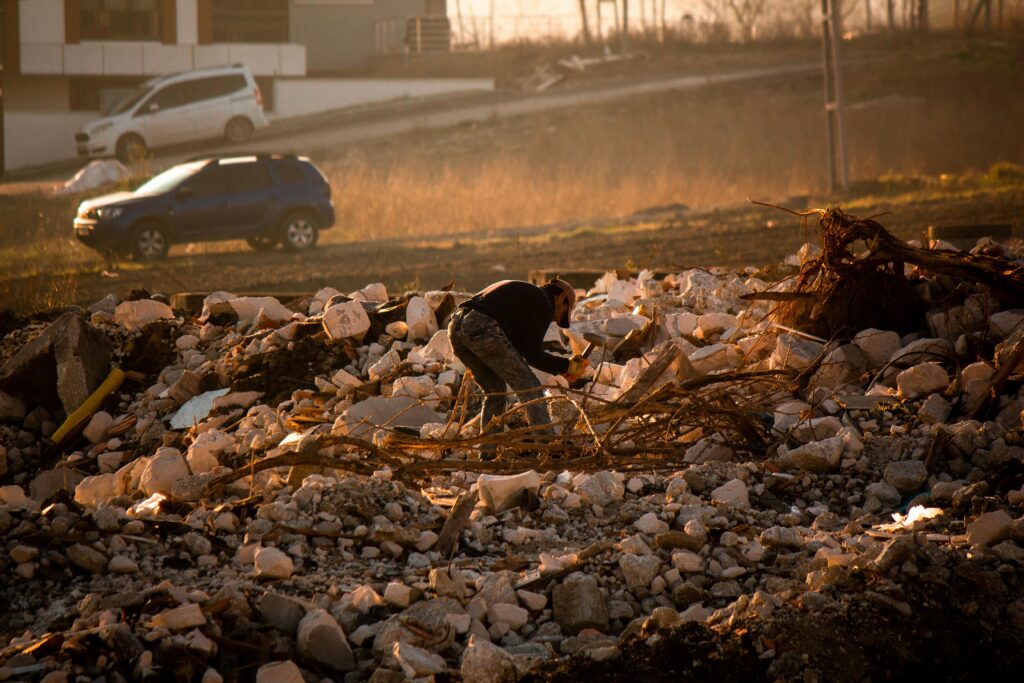
Imagine this: You own a small industrial site near a decommissioned landfill. Rainwater seeps through decades-old waste, leaching toxins into the soil. Suddenly, state regulators issue a cleanup order—costing $500,000+. Standard property insurance won’t touch it. That’s where landfill cleanup insurance steps in—often too late.
Why Traditional Coverage Fails Catastrophically
Most commercial general liability (CGL) policies explicitly exclude pollution-related remediation. Period. They cover sudden spills—not legacy contamination slowly migrating from adjacent landfills. And don’t assume your environmental impairment liability (EIL) policy has you covered either. Many EIL plans cap third-party claims but leave first-party cleanup costs gaping wide open.
Here’s the reality: Cleanup isn’t just “dirt removal.” It involves hydrogeological testing, vapor mitigation, regulatory compliance—and legal fees that balloon faster than the project timeline. Without targeted protection, you’re personally liable.
How to Secure Real Landfill Cleanup Insurance Coverage
Navigating this niche requires precision—not guesswork. Below is a no-fluff roadmap any business owner or risk manager can follow:
Step 1: Audit Your Exposure Zone
Plot all active, closed, or suspected landfills within a 1-mile radius using EPA’s EnviroMapper. If historical records show unlined pits or municipal dumps nearby, assume migration risk exists—even if groundwater tests are currently clean.
Step 2: Demand Policy Language Clarity
Avoid vague terms like “sudden and accidental.” Insist on explicit inclusion of “gradual contamination” and “off-site migration.” Better yet—require coverage for both regulatory-mandated actions AND voluntary remediation triggered by due diligence.
Step 3: Compare Coverage Structures
Not all pollution policies are built alike. See how key features stack up:
| Coverage Type | Typical Limit | Covers Legacy Landfill Migration? | Includes Voluntary Cleanup? | Avg. Premium (Small Biz) |
|---|---|---|---|---|
| Basic EIL Policy | $1M | No | No | $2,500/yr |
| Enhanced Pollution Legal Liability | $5M | Yes (with endorsement) | Optional add-on | $8,200/yr |
| Custom Landfill Cleanup Insurance | $10M+ | Yes—core feature | Yes—included | $15,000+/yr |


The Industry Secret Most Brokers Won’t Tell You
Underwriters often price landfill exposure based on outdated risk models—ignoring modern plume-mapping tech. Here’s the loophole: If you commission an independent Phase II ESA *before* applying, and it shows contaminant levels below regulatory thresholds, you can negotiate premiums down by 30–50%. Why? Because you’ve converted a “presumed risk” into a quantified, low-probability event. But—and this is critical—you must submit the report *with* your application. Wait until after binding, and you lose leverage.
Frequently Asked Questions
Does landfill cleanup insurance cover neighboring property damage?
Yes—if your policy includes third-party bodily injury and property damage due to migrating contaminants from historic landfills.
Can residential property owners get this coverage?
Rarely. Most carriers restrict landfill cleanup insurance to commercial, industrial, or institutional entities with demonstrable liability exposure.
Is government-mandated cleanup always covered?
Only if your policy explicitly lists regulatory enforcement actions as a covered trigger. Always verify wording—don’t assume.