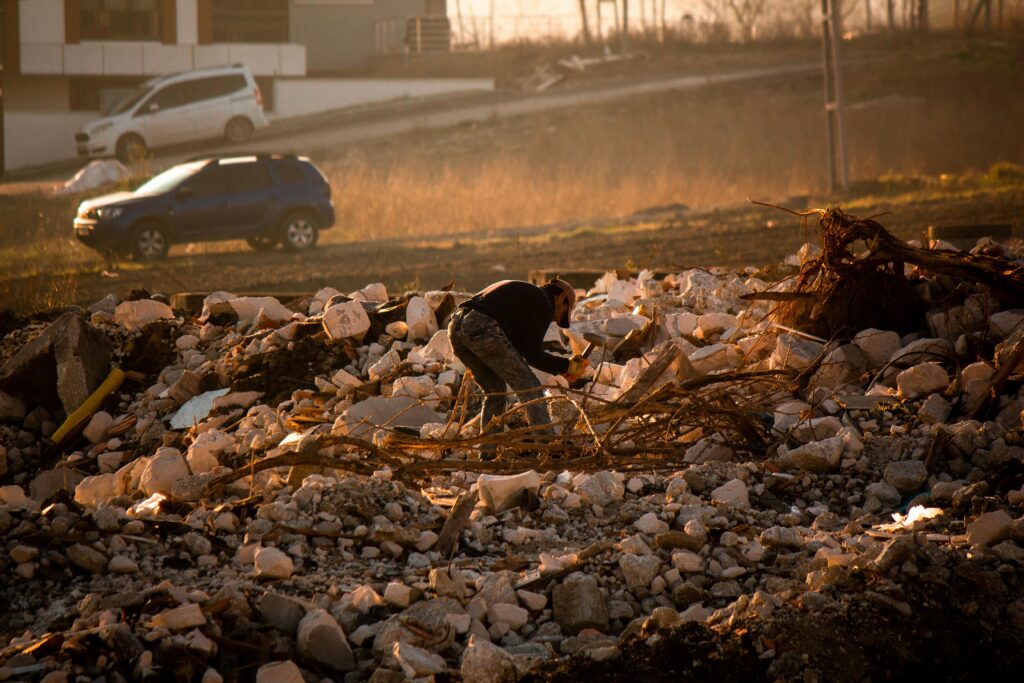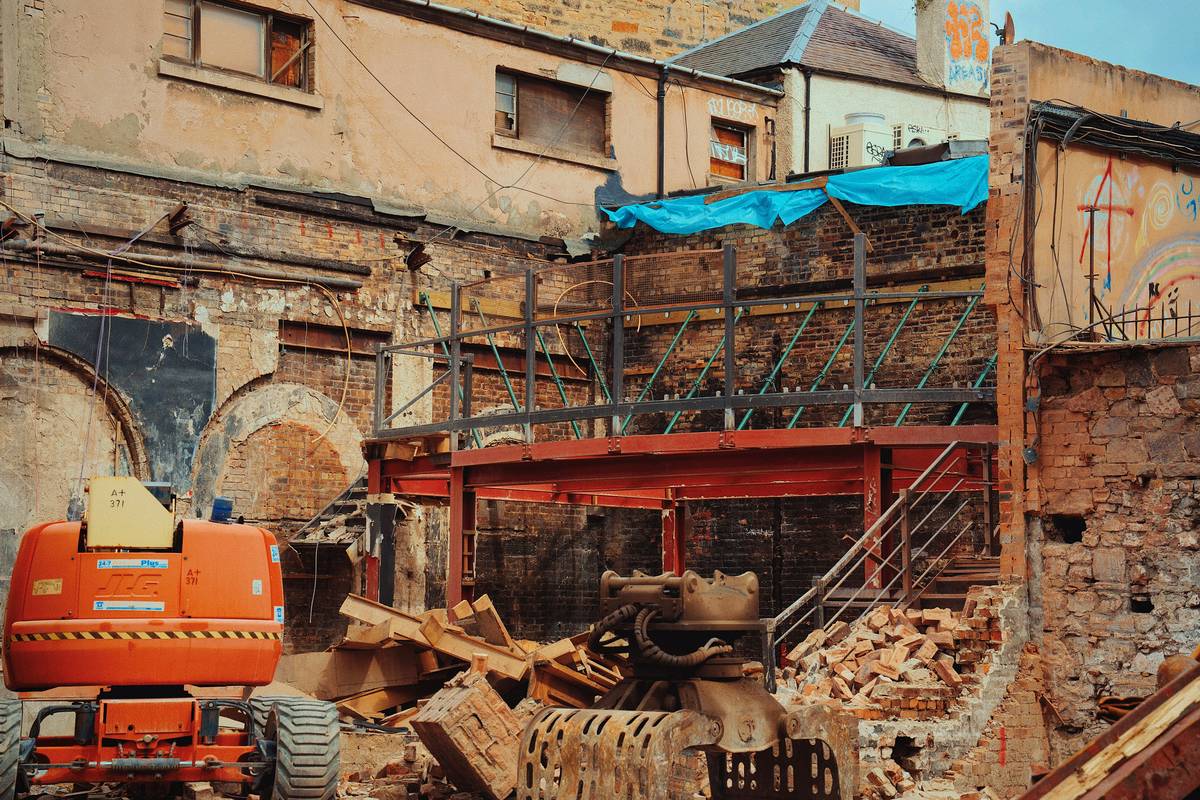
Ever bought a “fixer-upper” only to find out it’s sitting on decades of chemical sludge? You’re not alone. In the U.S. alone, the EPA estimates there are over 450,000 brownfield sites—abandoned or underused properties where expansion or redevelopment is complicated by real or perceived contamination. And if you’re eyeing one for your next commercial project, here’s the brutal truth: without brownfield cleanup insurance, you could be signing up for six- or seven-figure environmental liabilities… with your personal assets on the line.
This post cuts through the jargon to show you exactly what brownfield cleanup insurance covers, who needs it (hint: it’s not just big developers), how to secure the right policy, and why skipping it is financial Russian roulette. You’ll also get:
- A breakdown of coverage types and exclusions
- Real-world case studies (including one where insurance saved a $2.3M project)
- Actionable steps to compare quotes without getting sold snake oil
Table of Contents
- Why Brownfield Cleanup Insurance Matters (Even If You’re “Just” Buying Land)
- How to Get Proper Brownfield Cleanup Insurance Coverage
- Best Practices for Maximizing Protection & Minimizing Premiums
- Real Case Studies: When Brownfield Insurance Saved the Day (and When It Didn’t)
- FAQs About Brownfield Cleanup Insurance
Key Takeaways
- Brownfield cleanup insurance protects against unexpected contamination costs during redevelopment.
- Standard general liability or property policies almost never cover pre-existing pollution.
- Policies typically include cost-cap, remediation stop-loss, or site-specific liability coverage.
- The EPA’s Brownfields Program offers grants—but they don’t replace the need for private insurance.
- Skipping this coverage risks personal financial ruin, lender rejection, and project derailment.
Why Brownfield Cleanup Insurance Matters (Even If You’re “Just” Buying Land)
You found that perfect downtown lot—a former auto shop, maybe, or an old dry cleaner. The price is shockingly low. Zoning allows mixed-use. Neighbors are supportive. Everything’s golden… until Phase I environmental due diligence uncovers perchloroethylene leaching into the soil from 1987. Suddenly, your $500K dream project faces $1.2M in cleanup costs. And guess who’s liable? You. Under CERCLA (the federal Superfund law), current owners can be held responsible for contamination—even if they didn’t cause it.
This isn’t theoretical. In 2022, a small developer in Cleveland bought a former manufacturing site for $320K. Six months in, groundwater testing revealed heavy metals exceeding state limits. Without pollution insurance, he had to walk away—losing his down payment and facing lawsuits from adjacent property owners over vapor intrusion. His mistake? Assuming his commercial general liability (CGL) policy would cover it. It didn’t. CGL policies contain “absolute pollution exclusions” that void coverage for gradual contamination.
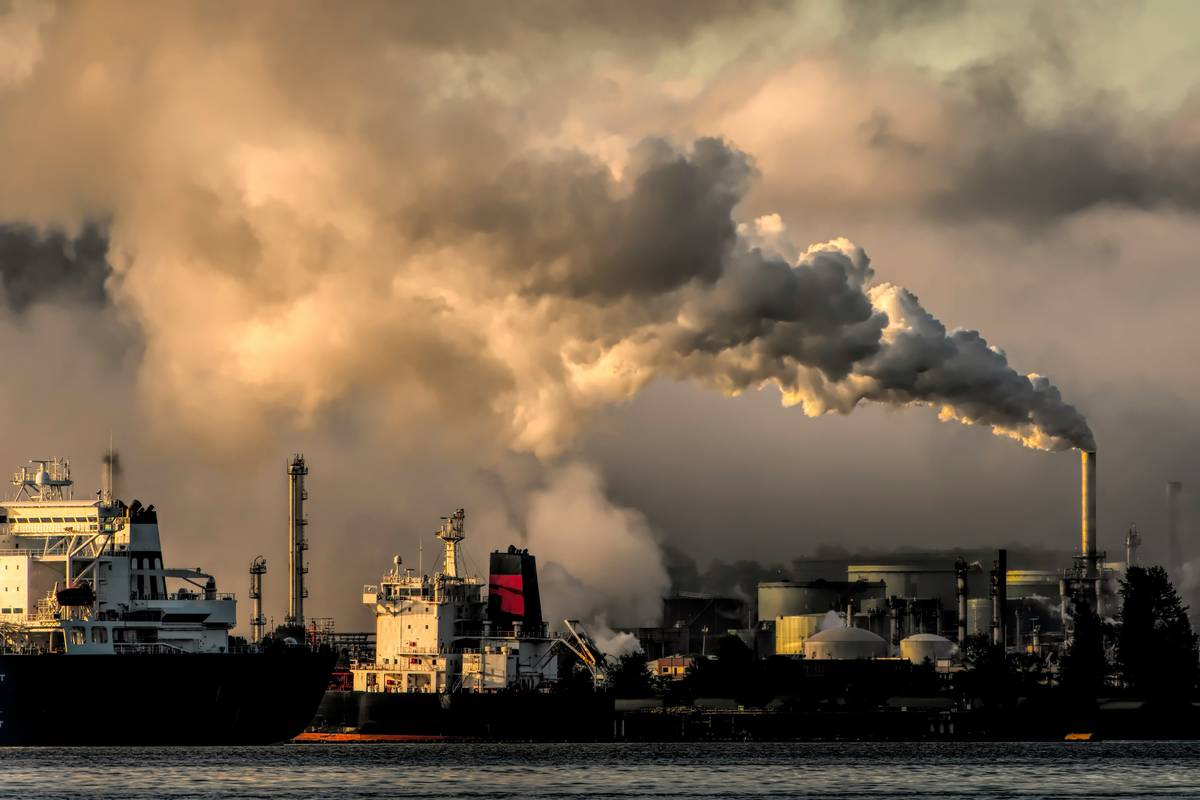
Brownfield cleanup insurance exists specifically to bridge this gap. Unlike traditional policies, it’s designed for known or suspected contamination and covers costs like soil excavation, groundwater treatment, third-party bodily injury claims, and even regulatory fines in some cases.
Optimist You: “This insurance is my safety net!”
Grumpy You: “Ugh, fine—but only if it doesn’t cost more than my espresso machine.”
How to Get Proper Brownfield Cleanup Insurance Coverage
Not all pollution policies are created equal. Here’s how to secure coverage that actually works when disaster strikes:
Do you really have a brownfield?
First, confirm your site qualifies. The EPA defines a brownfield as “real property, the expansion, redevelopment, or reuse of which may be complicated by the presence or potential presence of a hazardous substance, pollutant, or contaminant.” Common culprits: old gas stations, dry cleaners, industrial facilities, and auto repair shops. If your Phase I ESA (Environmental Site Assessment) flags Recognized Environmental Conditions (RECs), you’re in brownfield territory.
Choose the right policy type
There are three main types of brownfield cleanup insurance:
- Cost Cap Insurance: Covers cleanup costs that exceed a pre-agreed budget (e.g., if your engineer estimated $400K but reality hits $700K).
- Remediation Stop-Loss: Similar to cost cap but often tied to specific remedial actions approved by regulators.
- Site-Specific Pollution Liability: Covers third-party claims (e.g., a tenant sues over mold linked to contaminated groundwater) and post-cleanup monitoring.
Work with specialists—not general agents
Your local Allstate rep won’t cut it. Seek brokers with experience in environmental risk—firms like Marsh’s Environmental Practice, Aon’s Environmental Group, or specialty carriers like Zurich North America or Travelers’ Environmental division. They understand state-specific regulations (e.g., California’s DTSC vs. Texas’ TCEQ) and can structure layered coverage.
Best Practices for Maximizing Protection & Minimizing Premiums
- Get your Phase II ESA before quoting. Insurers base premiums on actual data—not guesses. A thorough Phase II (soil/groundwater sampling) reduces uncertainty and lowers rates.
- Bundle with lender requirements. Many banks financing brownfield projects require specific coverage limits. Align early to avoid gaps.
- Negotiate retroactive dates. Ensure your policy covers historical contamination from day one—not just future incidents.
- Exclude non-concerns. If you know the only issue is petroleum (covered under separate tank insurance), exclude other pollutants to reduce cost.
Brutal honesty time: One “terrible tip” I’ve heard? “Just rely on the EPA’s Brownfields Assessment Grant.” While these grants (up to $600K) fund assessments and planning, they don’t pay for actual cleanup—let alone third-party lawsuits. Relying solely on them leaves you exposed. Don’t do it.
Rant Section: My Niche Pet Peeve
Why do so many developers treat environmental insurance like a box-ticking exercise? I once reviewed a file where a client bought a $2M warehouse site, skipped Phase II to “save time,” then tried to bolt on a cheap pollution policy two weeks before closing. The carrier denied coverage because the application stated “no known contamination”—but public records showed a 1998 state violation notice! Moral: Fudging your environmental history = instant claim denial. Be transparent, or don’t bother applying.
Real Case Studies: When Brownfield Insurance Saved the Day (and When It Didn’t)
Success: The Atlanta Mixed-Use Rescue
In 2021, a boutique developer purchased a former textile mill in Atlanta’s West End. Phase II revealed chromium in soil at 2,300 ppm (state limit: 100 ppm). Their $17K cost-cap policy (limit: $1.5M) kicked in when remediation ballooned from $620K to $1.8M due to unforeseen groundwater plumes. Result: Project completed on time; lender remained confident; ROI achieved within 3 years.
Failure: The Oregon Gas Station Gamble
A franchisee bought a gas station in Portland assuming underground tanks were removed “cleanly.” No Phase II. No insurance. Post-purchase testing found MTBE in groundwater at levels requiring full aquifer remediation ($2.1M+). His CGL insurer denied the claim citing the absolute pollution exclusion. He declared bankruptcy within 18 months.
FAQs About Brownfield Cleanup Insurance
Does homeowners insurance cover brownfield contamination?
No. Standard HO-3 policies exclude gradual pollution. Even if you buy residential land with legacy contamination, you’ll need a specialty environmental policy.
How much does brownfield cleanup insurance cost?
Premiums range from 1%–5% of the insured cleanup cost. For a $500K exposure, expect $5K–$25K annually. Factors: site history, contaminants, location, and policy structure.
Can nonprofits or municipalities get this insurance?
Yes—and they should. Even government entities face third-party liability if contamination migrates off-site post-redevelopment.
Is it too late to buy coverage after purchasing the property?
Usually, yes. Most carriers require policies to be bound before or at closing. Retroactive coverage is rare and expensive—if available at all.
Conclusion
Brownfield cleanup insurance isn’t a luxury—it’s a non-negotiable shield for anyone developing potentially contaminated land. From protecting your capital to satisfying lenders and avoiding CERCLA’s “strict, joint, and several liability,” this coverage transforms risky opportunities into viable investments. Don’t let fear of complexity or cost blind you to the real danger: going uninsured. Do your due diligence, partner with specialists, and sleep soundly knowing your project—and your net worth—are covered.
Like a Tamagotchi, your brownfield project needs daily care… and the right insurance keeps it from dying on day three.