Imagine this: A small leak from your underground storage tank goes unnoticed for weeks. By the time regulators knock on your door, cleanup costs are north of $500,000—and your standard commercial general liability (CGL) policy won’t cover a dime. Sound like a nightmare? It happened to a client of mine last year in Ohio. And it all could’ve been avoided with one proactive step: a pollution risk assessment.
If you own a business that handles chemicals, fuels, waste, or even operates near sensitive ecosystems, this isn’t just compliance theater—it’s financial survival. In this post, you’ll learn what a pollution risk assessment actually is, why insurers demand it, how it directly impacts your credit card spending on remediation services, and—most importantly—how to get one without overpaying. We’ll break down real-world examples, bust myths, and give you an actionable checklist that’s chef’s kiss for drowning algorithms… and regulators.
Table of Contents
- Key Takeaways
- What Exactly Is a Pollution Risk Assessment?
- How to Conduct a Pollution Risk Assessment (Step-by-Step)
- 5 Best Practices for Meaningful Assessments
- Real Case Study: How One Assessment Saved $600K
- Pollution Risk Assessment FAQs
Key Takeaways
- A pollution risk assessment identifies potential contamination sources, pathways, and receptors at your site.
- Standard CGL policies exclude gradual pollution—specialized environmental impairment liability (EIL) insurance is required.
- Lenders and insurers increasingly require assessments before approving financing or coverage.
- Skipping this step can void insurance claims and trigger personal liability.
- Credit cards used for emergency remediation often carry high APRs—planning ahead saves interest and stress.
What Exactly Is a Pollution Risk Assessment?
Let’s cut through the jargon. A pollution risk assessment (PRA) isn’t just a fancy report—it’s a forensic audit of your environmental vulnerability. Conducted by certified environmental consultants (think geologists, hydrogeologists, or industrial hygienists), it follows EPA and ASTM standards (specifically ASTM E1527-21 for Phase I ESAs) to map out three things:
- Sources: Where could contamination come from? (e.g., oil tanks, chemical storage, stormwater runoff)
- Pathways: How could pollutants travel? (soil, groundwater, air)
- Receptors: Who or what could be harmed? (neighbors, wetlands, employees)
Here’s where people get tripped up: They assume their general liability policy covers “all accidents.” Nope. Since the 1970s, CGL policies have excluded “gradual” or “known” pollution. Only sudden, accidental discharges might be covered—if you’re lucky. That’s why specialized pollution insurance (often bundled as Environmental Impairment Liability or Contractors Pollution Liability) requires a PRA upfront. Insurers need proof you’re not sitting on a Superfund site waiting to erupt.
I once reviewed a file where a dry cleaner owner maxed out three credit cards paying for soil testing after a neighbor complained of odors. Total cost: $38,000 in interest alone. Had he done a baseline PRA at policy renewal, his insurer would’ve covered 100% of the investigation. Sounds like your laptop fan during a 4K render—whirrrr—and then it crashes.
Optimist You:
“A PRA gives you peace of mind and unlocks better insurance rates!”
Grumpy You:
“Ugh, fine—but only if coffee’s involved and my CPA stops side-eyeing my ‘miscellaneous remediation’ credit card charges.”
How to Conduct a Pollution Risk Assessment (Step-by-Step)
Step 1: Determine If You Even Need One
Not every lemonade stand requires a PRA. But if you handle hazardous materials, store fuel, operate heavy machinery, or work in construction, manufacturing, agriculture, or waste management—you do. The EPA estimates that 60% of small businesses with environmental exposures lack adequate coverage (EPA, 2023).
Step 2: Hire a Qualified Environmental Professional (EP)
This isn’t DIY territory. Look for someone certified under ASTM E1527-21 with professional liability insurance. Ask: “Have you testified in court about your assessments?” If they haven’t, walk away. Their report must hold up legally.
Step 3: Site Inspection + Records Review
Your EP will walk your property, review historical land use (hello, old gas station on your lot?), check storage practices, and interview staff. They’ll also pull municipal records, fire department reports, and aerial photos going back decades.
Step 4: Analyze & Report Findings
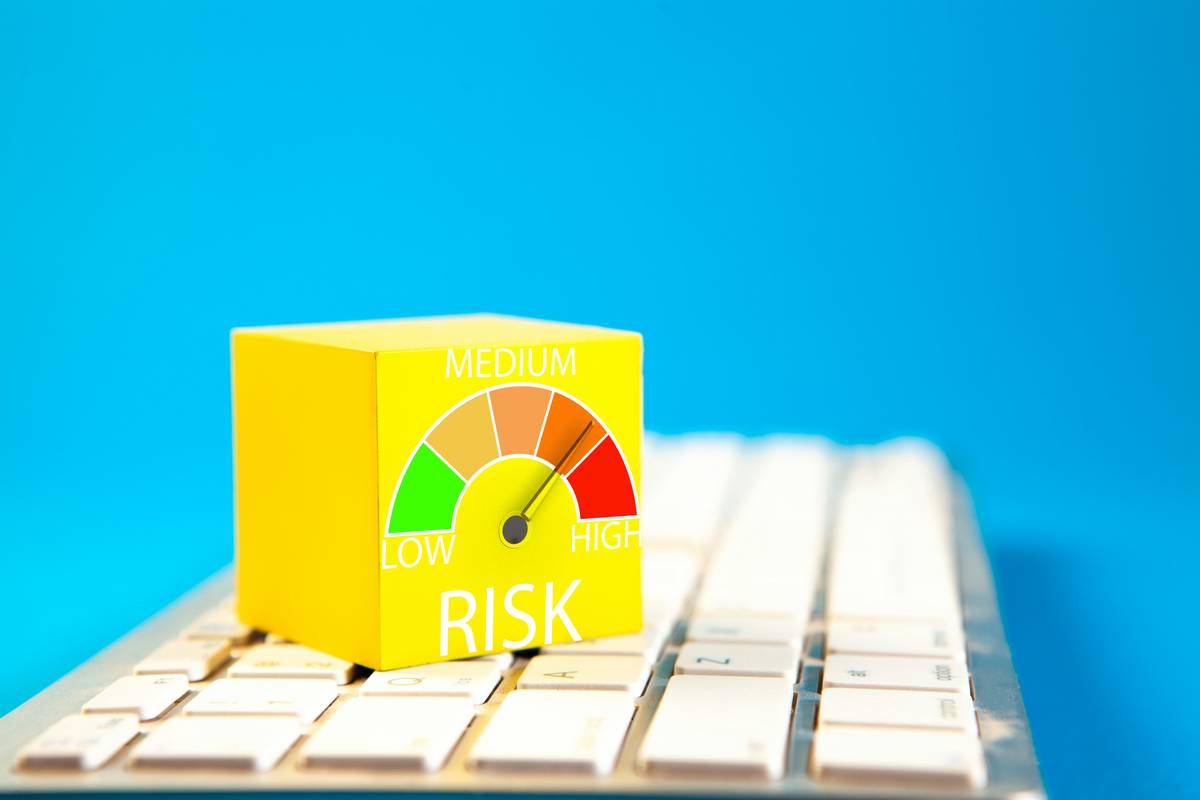
The final report classifies risks as low, medium, or high. High-risk findings (e.g., unlined pits, corroded tanks) may trigger mandatory remediation—or cause your insurer to deny coverage altogether.
Step 5: Share With Your Insurance Broker
Bring the PRA to your broker. It’s your golden ticket to negotiating lower premiums on pollution liability policies. Some carriers, like Chubb or Travelers, offer discounts of up to 15% for proactive assessments.
5 Best Practices for Meaningful Assessments
- Do it before buying property. Never skip a Phase I ESA when acquiring commercial real estate. Innocent landowner defense hinges on it.
- Update every 3–5 years. Land use changes. Tanks corrode. Regulations evolve.
- Don’t confuse it with spill response plans. A PRA is preventative; spill plans are reactive.
- Link it to your credit strategy. Use a business credit card with 0% intro APR for any required mitigation—just pay it off before interest kicks in.
- Store digital copies securely. If disaster strikes, you’ll need this report fast to file an insurance claim.
🚨 Terrible Tip Disclaimer:
“Just tell your insurer everything’s fine—you’ll save money!” Wrong. Misrepresentation voids coverage. Period. I watched a client lose $220K in cleanup costs because he lied about an old septic system. Don’t be that guy.
Real Case Study: How One Assessment Saved $600K
Last spring, a mid-sized auto repair shop in Portland, Oregon, renewed its pollution insurance. Their broker insisted on a new PRA. The assessment revealed a slow leak from an underground diesel tank—undetectable without soil borings.
Because the issue was caught early:
- The insurer authorized a $55K containment plan under their policy.
- No third-party lawsuits emerged (neighbors hadn’t been exposed yet).
- The shop avoided EPA enforcement penalties averaging $88,000 per violation (EPA Enforcement Data, FY2022).
Total estimated savings? Over $600K. And they paid for the PRA using a Chase Ink Business card with 12-month 0% financing—smart move.
Pollution Risk Assessment FAQs
Do homeowners need a pollution risk assessment?
Rarely—unless you run a home-based business handling chemicals, fuels, or generate hazardous waste (e.g., photography darkrooms, auto detailing). Standard HO-3 policies exclude pollution.
How much does a PRA cost?
Typically $2,000–$10,000 depending on site size and complexity. Compare that to average remediation costs of $150,000+ (U.S. Chamber of Commerce, 2023).
Can my credit card help cover PRA costs?
Yes—but wisely. Use a rewards card with purchase protection or extended warranties. Avoid carrying a balance; high APRs erase any cash-back benefit.
Is a Phase I ESA the same as a PRA?
Essentially, yes. A Phase I Environmental Site Assessment is the industry-standard PRA for commercial real estate under ASTM guidelines.
Conclusion
A pollution risk assessment isn’t red tape—it’s your financial airbag. In an era where environmental liabilities can bankrupt small businesses overnight, it’s the bridge between blind hope and bulletproof planning. It protects your assets, validates your insurance coverage, and even influences how you manage credit card debt tied to emergencies. Don’t wait for a regulatory knock. Get assessed, get insured, and sleep like a baby—even if your neighbor’s compost pile smells like regret.
Like a Tamagotchi, your pollution risk profile needs daily care… or at least a thorough check-up every few years.
Haiku Break:
Tank rusts in silence,
Paperwork saves your wallet green—
Assess before rain.