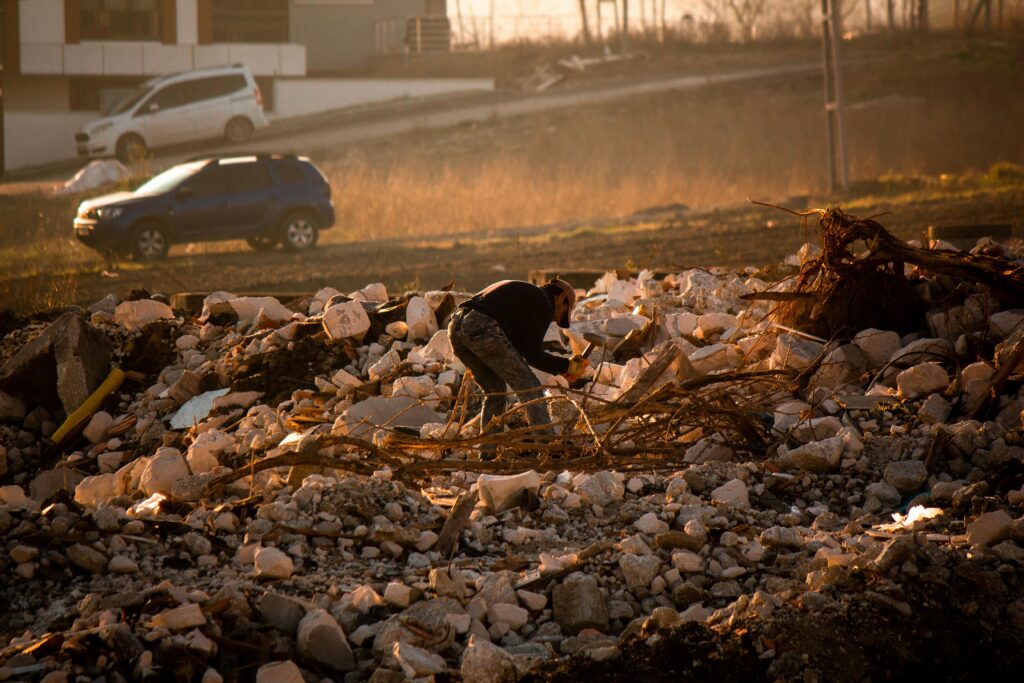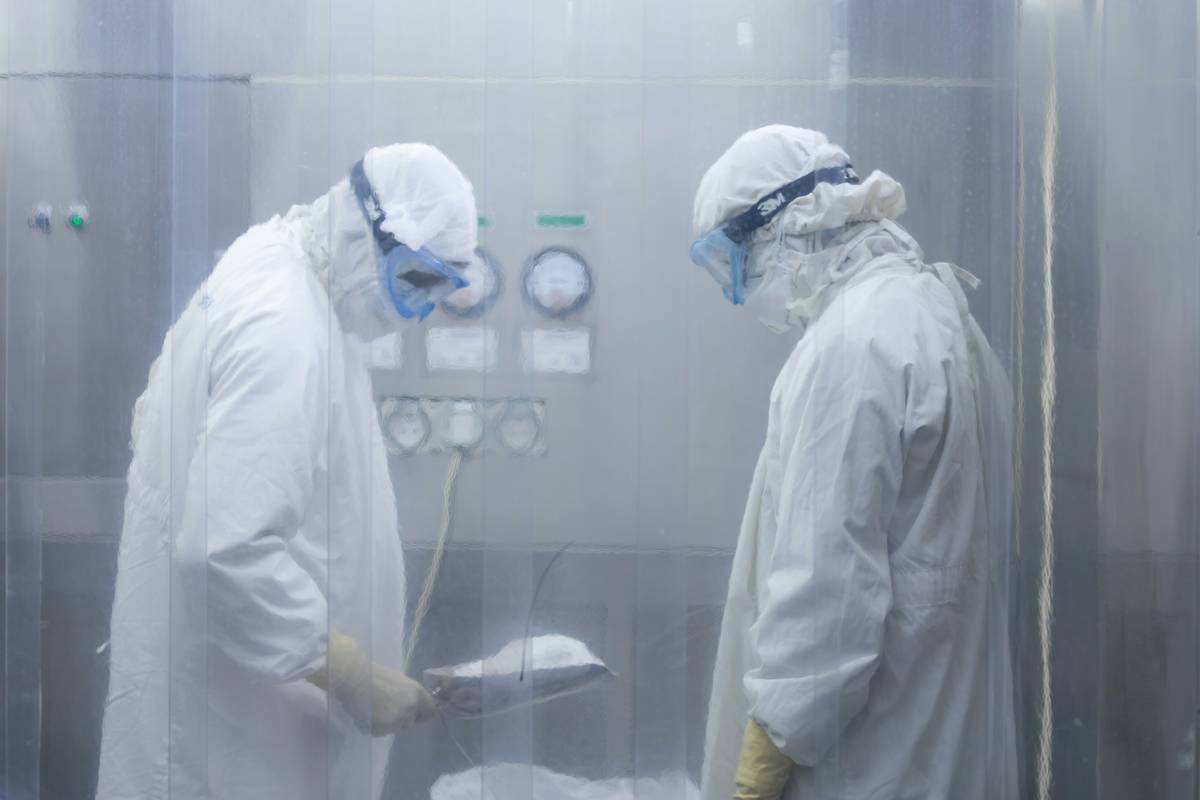
Ever woken up to an EPA notice because 200 gallons of solvent leaked from your warehouse overnight—and your insurer said, “That’s not covered”? Yeah. That happened to a client of mine last year. They lost $387,000 in cleanup, fines, and downtime… all because they assumed their general liability policy included pollution coverage.
If you handle chemicals—even cleaning supplies, oils, or industrial solvents—you need a chemical spill cleanup policy. Not as a “nice-to-have,” but as non-negotiable armor against financial ruin. In this post, you’ll learn:
- Why standard business insurance ignores most pollution incidents (yes, even small ones)
- How a dedicated chemical spill cleanup policy actually works
- Real-world mistakes businesses make when buying coverage
- Actionable steps to get the right policy—without overpaying
Table of Contents
- Why Aren’t Chemical Spills Covered by Standard Insurance?
- How Does a Chemical Spill Cleanup Policy Actually Work?
- 5 Best Practices for Buying Pollution Insurance
- Case Study: How a Small Auto Shop Avoided Bankruptcy
- FAQs About Chemical Spill Cleanup Policies
Key Takeaways
- Standard general liability and property policies almost always exclude pollution-related claims under the “absolute pollution exclusion.”
- A chemical spill cleanup policy covers emergency response, regulatory fines, third-party liability, and even business interruption tied to contamination.
- Premiums vary widely—but a $1M policy for a small facility can cost as little as $1,200/year.
- Always verify if your policy includes “sudden and accidental” vs. “gradual” pollution coverage—it makes a massive difference.
- Work with a broker who specializes in environmental risk; generic agents often don’t understand pollution endorsements.
Why Aren’t Chemical Spills Covered by Standard Insurance?
Here’s the gut punch: since the 1980s, nearly all commercial general liability (CGL) policies include an “absolute pollution exclusion.” That means if a spill happens—even if it’s sudden, accidental, and immediately reported—your insurer can legally deny the claim.
Why? Because courts kept ruling that “pollution” wasn’t a traditional “accident.” Insurers responded by writing blanket exclusions. Today, the Insurance Services Office (ISO) CG 00 01 form—the industry standard—explicitly excludes bodily injury or property damage arising from “the actual, alleged or threatened discharge, dispersal, seepage, migration, release or escape of ‘pollutants.’”
Translation: if you store, use, transport, or dispose of anything classified as a pollutant (hint: that includes diesel, paint thinners, pesticides, and even some cleaning agents), you’re exposed.
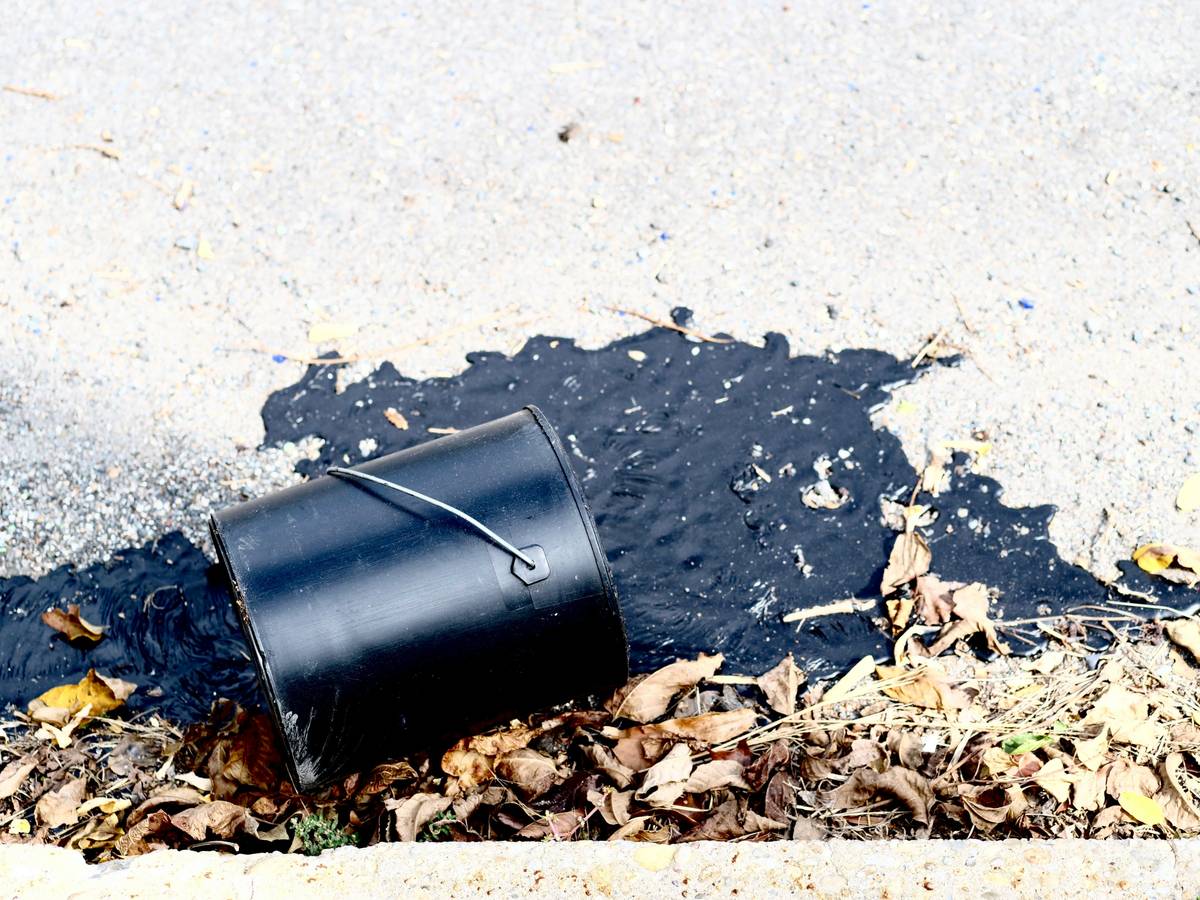
I learned this the hard way early in my career as a commercial insurance broker. A dry cleaner client spilled perchloroethylene during a tank refill. The fumes sickened two employees. His CGL carrier denied the claim within 72 hours. He ended up paying $210K out of pocket. That moment changed how I advise every client handling hazardous materials.
How Does a Chemical Spill Cleanup Policy Actually Work?
A chemical spill cleanup policy—often called pollution legal liability (PLL) insurance or environmental impairment liability (EIL) coverage—is designed specifically to fill the gaps left by standard policies.
What does it typically cover?
- Emergency response costs: Hiring certified hazmat teams, containment booms, soil/water testing.
- Regulatory fines and penalties: Up to policy limits (note: not all states allow insurance for fines).
- Third-party bodily injury/property damage: If neighbors or customers are harmed.
- Bonding requirements: Some states require financial assurance for cleanup—this policy can satisfy that.
- Business interruption: Lost income during mandated shutdowns.
Grumpy Optimist Dialogue
Optimist You: “Just buy a policy and sleep easy!”
Grumpy You: “Ugh, fine—but only if you actually read the damn endorsement. Half these policies exclude ‘known conditions’ or gradual leaks.”
5 Best Practices for Buying Pollution Insurance
- Assess your real exposure. Do you use any EPA-listed hazardous substances? Even a mechanic’s shop with oil drums qualifies. Use the EPA’s Hazardous Substances List as a starting point.
- Demand “sudden and accidental” wording. Some policies only cover abrupt, identifiable events—not slow leaks. Fight for broader language.
- Verify contractor inclusion. If you hire waste haulers, ensure your policy covers their errors too (via “contractual liability” or “vendors” endorsement).
- Ask about sub-limits. A $2M policy might cap spill response at $250K—read the schedule carefully.
- Renew annually with updated site info. Moved storage tanks? Added new chemicals? Tell your broker. Undisclosed changes = denied claims.
TERRIBLE TIP DISCLAIMER: “Just add a pollution rider to your existing policy.” Nope. Most “limited pollution” endorsements only cover HVAC refrigerant leaks or indoor mold—not chemical spills. Don’t gamble.
Case Study: How a Small Auto Shop Avoided Bankruptcy
In 2022, “Mike’s Garage” in Ohio had a 300-gallon underground oil tank crack during a freeze-thaw cycle. The leak contaminated soil and migrated toward a creek. The Ohio EPA ordered immediate remediation: $192K just for excavation and disposal.
Thankfully, Mike had purchased a standalone $1M chemical spill cleanup policy through a specialty environmental insurer (not his regular agent). His premium? $1,450/year. The insurer paid:
- $185,000 for cleanup
- $18,000 in legal fees
- $7,500/day in business interruption (for 12 days)
Total claim: ~$295K. Without the policy, Mike would’ve closed permanently. With it? He reopened in 3 weeks—with upgraded secondary containment.
**Pet Peeve Rant**: Brokers who say “You don’t need it—spills are rare.” Rarer still is surviving one without coverage. Stop normalizing negligence.
FAQs About Chemical Spill Cleanup Policies
Does homeowners insurance cover chemical spills?
No. Home policies exclude pollution. If you run a home-based lab or workshop, you need separate coverage.
Are there state-specific rules?
Yes. California, New Jersey, and Texas have stricter financial assurance laws. Always check your state’s DEP/EPD requirements.
Can I bundle this with other commercial policies?
Sometimes—but only with insurers offering environmental product lines (e.g., Travelers, Chubb, Zurich). Never assume bundling = automatic inclusion.
How fast do I need to report a spill?
Most policies require “as soon as practicable”—often interpreted as within 24–72 hours. Delayed reporting is the #2 reason claims get denied.
Is there coverage for legacy contamination?
Rarely. Policies typically exclude pre-existing conditions unless disclosed and accepted upfront via a site assessment.
Conclusion
A chemical spill cleanup policy isn’t just insurance—it’s operational resilience. When regulators knock, cleanup crews invoice, and customers sue, this coverage is the difference between continuity and catastrophe. Don’t wait for the drip-drip of liability to become a flood. Audit your risks today, talk to a specialist broker, and lock in protection that actually fits your reality.
Like a Tamagotchi, your environmental risk needs daily care—or it dies screaming in silence.
Oil meets soil—
Policy springs to life.
Cleanup begins now.