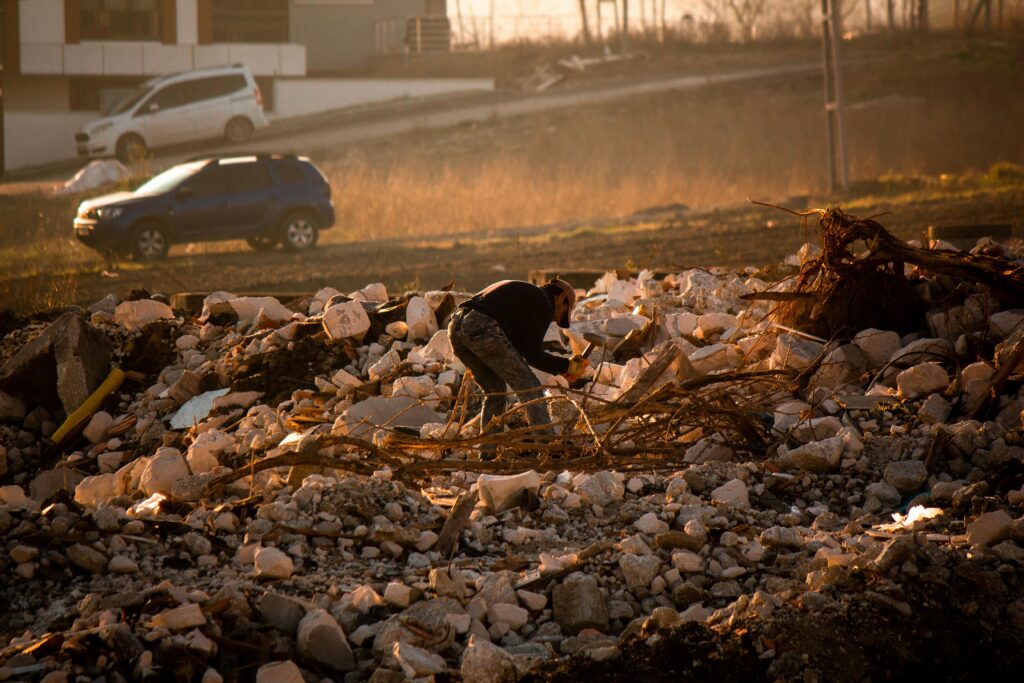
Ever bought land without checking what was buried beneath it—only to discover your dream development site leaks toxic sludge like a 1980s landfill in disguise? You’re not alone. The EPA estimates that over 450,000 brownfield sites exist across the U.S.—abandoned or underused properties contaminated by hazardous substances (EPA, 2023). And if you’re holding the deed when regulators knock? Hello, six-figure cleanup bills and sleepless nights.
If you own commercial property, develop real estate, operate a farm near industrial zones, or even inherited rural acreage—you need to understand soil contamination insurance. In this post, you’ll learn:
- What soil contamination insurance actually covers (and what it *doesn’t*)
- Who desperately needs it—even if they don’t realize it yet
- How to compare policies without drowning in fine print
- Real-world claims that saved businesses from bankruptcy
Table of Contents
- Why Soil Contamination Is a Silent Financial Time Bomb
- How to Get Soil Contamination Insurance: A Step-by-Step Guide
- 5 Best Practices for Maximizing Your Coverage (Without Overpaying)
- Real Cases Where Soil Contamination Insurance Saved the Day
- Frequently Asked Questions About Soil Contamination Insurance
Key Takeaways
- Soil contamination insurance is a specialized pollution liability policy covering remediation costs, legal fees, and third-party claims tied to historic or sudden soil pollution.
- Standard property or general liability policies exclude pollution—don’t assume you’re covered.
- Lenders increasingly require environmental site assessments (Phase I ESAs) before financing; failing one could trigger mandatory coverage.
- Premiums range from $1,500–$15,000/year depending on risk exposure, location, and policy limits.
- Always verify your insurer’s experience with environmental claims—novice underwriters may deny valid payouts.
Why Soil Contamination Is a Silent Financial Time Bomb
Picture this: You buy a charming old gas station lot to convert into a café. Six months in, during routine excavation, your contractor hits a leaking underground storage tank (UST). Testing reveals benzene levels 50x above state limits. The Department of Environmental Protection (DEP) slaps you with an emergency cleanup order. Suddenly, your $200k renovation budget vanishes—and you’re on the hook for $750k in soil remediation.
This isn’t hypothetical. In 2022, a small developer in Ohio faced nearly identical circumstances. His general liability policy cited the “absolute pollution exclusion”—a clause added to most standard policies after the 1980s Love Canal disaster rendered insurers liable for endless toxic messes.
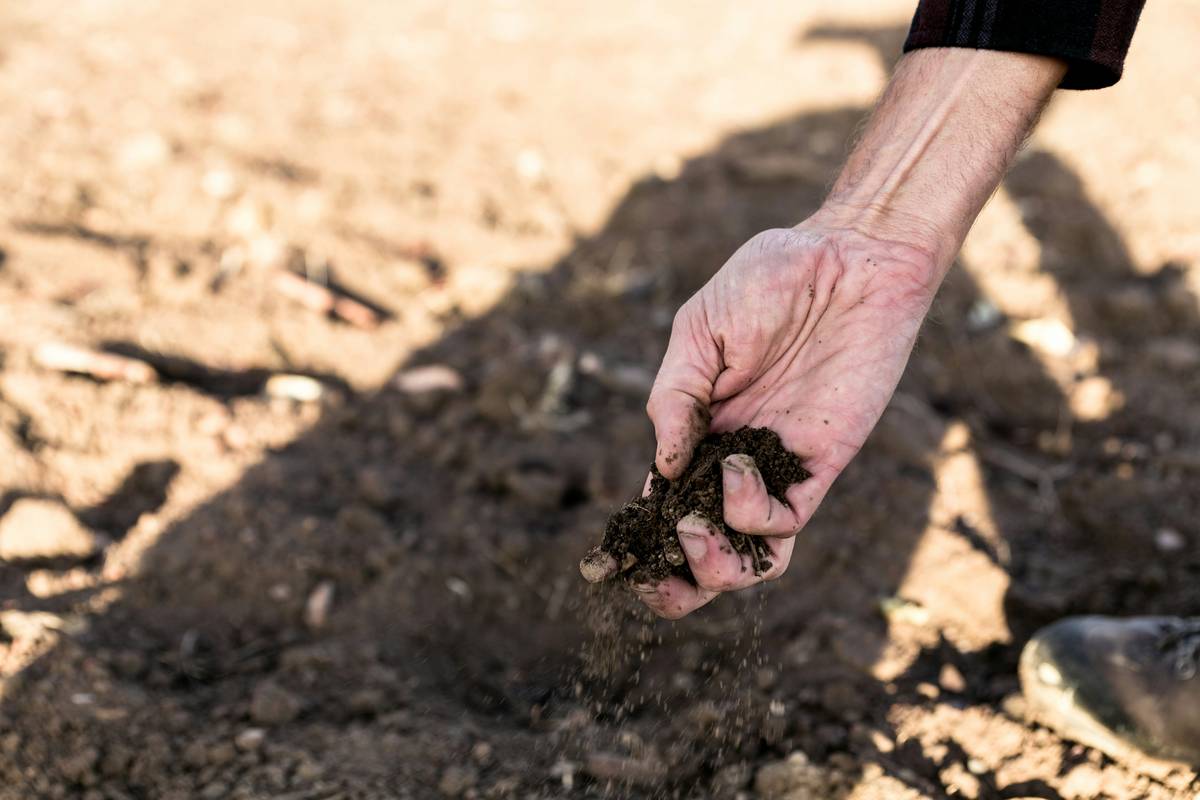
Here’s the brutal truth: if you didn’t cause the contamination, you might still be legally responsible. Under CERCLA (Superfund law), current property owners can inherit liability for historical pollution—even if they had zero involvement. That’s why “innocent landowner” protections require due diligence… and why soil contamination insurance is your last line of defense.
How to Get Soil Contamination Insurance: A Step-by-Step Guide
Step 1: Confirm You Actually Need It
You do if you:
- Own or lease commercial/industrial property
- Operate near dry cleaners, auto shops, farms using legacy pesticides, or old manufacturing sites
- Are purchasing undeveloped land with unknown history
- Plan to refinance or sell—and your lender demands environmental compliance
Step 2: Get a Phase I Environmental Site Assessment (ESA)
This ASTM-standard report reviews historical records, aerial photos, and site inspections to flag potential contamination. If it finds Recognized Environmental Conditions (RECs), you’ll likely need a Phase II (soil sampling). Most insurers won’t quote without a clean or conditionally clean Phase I.
Step 3: Choose the Right Policy Type
- Closed-Block Policies: Cover known pre-existing contamination (rare, expensive, often requires bank approval).
- First-Party Remediation Policies: Pay for your cleanup costs only.
- Pollution Legal Liability (PLL): Covers both cleanup + third-party bodily injury/property damage claims (most comprehensive).
Step 4: Compare Quotes from Specialized Insurers
Don’t waste time with Allstate or State Farm—they won’t touch this. Go to carriers like:
- AIG Environmental
- Chubb Environmental
- Berkley Environmental
- Travelers Pollution Liability
Request endorsements for “non-owned disposal sites” and “contractor pollution”—otherwise, your subcontractor’s mistake could void coverage.
Optimist You:
“Follow these steps and sleep soundly knowing you’re protected!”
Grumpy You:
“Ugh, fine—but only if coffee’s involved… and maybe a lawyer on speed dial.”
5 Best Practices for Maximizing Your Coverage (Without Overpaying)
- Negotiate a “claims-made” vs. “occurrence” policy wisely: Claims-made is cheaper but only covers incidents reported while the policy is active. Better for short-term projects.
- Set realistic sub-limits: Don’t skimp on legal defense coverage—it often eats up 30% of total claim costs.
- Bundle with contractor’s pollution liability if you’re renovating—some carriers offer package discounts.
- Document everything: Keep Phase I/II reports, maintenance logs, and spill response plans. Insurers love paper trails.
- Renew early: Lapse = loss of continuous coverage status = higher premiums or denial.
Terrible Tip Alert: “Just skip the ESA to save $3k—you’ll probably be fine.” Nope. One hidden solvent plume can cost millions. Don’t be that guy.
Real Cases Where Soil Contamination Insurance Saved the Day
Case Study #1: The Organic Farm Nightmare
In Oregon, Sarah Lin purchased 10 acres to launch her regenerative farm. Post-purchase testing revealed DDT residues from 1950s cotton farming. Her PLL policy covered $220k in bioremediation—keeping her certified organic status intact and avoiding a $500k lawsuit from neighboring vineyards.
Case Study #2: The Urban Developer’s Lifeline
A Brooklyn real estate firm acquired a former printing plant. During demolition, lead and PCBs surfaced. Their pollution policy paid $1.2M in cleanup + $300k in tenant relocation costs after DEP mandated evacuation. Without it? Bankruptcy.
These aren’t outliers. According to AM Best, environmental insurance claims rose 18% annually from 2020–2023 as urban redevelopment accelerates.
Frequently Asked Questions About Soil Contamination Insurance
Does homeowners insurance cover soil contamination?
No. Standard HO-3 policies exclude pollution. Even “earth movement” riders won’t help—you need a standalone environmental policy.
How much does soil contamination insurance cost?
For low-risk properties (e.g., office buildings with clean Phase I): $1,500–$4,000/year. High-risk (former gas stations, factories): $8,000–$25,000+. Always get multiple quotes.
Can I get coverage after discovering contamination?
Rarely. Most policies exclude known conditions. That’s why getting insured before closing is critical.
What’s the difference between soil contamination insurance and environmental impairment liability (EIL)?
They’re often used interchangeably, but EIL typically includes air/water pollution too. Soil contamination insurance is a subset focused solely on earthborne toxins.
Do I need this for residential rental property?
If it’s a single-family home with no industrial history—probably not. But duplexes near old rail yards? Absolutely. When in doubt, get a Phase I.
Conclusion
Soil contamination insurance isn’t just for oil companies or Superfund sites—it’s a vital shield for everyday property owners navigating a legacy of industrial negligence. With rising regulatory scrutiny and unpredictable subsurface risks, assuming “it won’t happen to me” is a gamble with catastrophic stakes.
Get a Phase I ESA. Talk to an environmental insurance broker (not your cousin’s Allstate agent). And remember: the cheapest policy is worthless if it denies your claim because the underwriter didn’t understand hydrogeology. Protect your asset. Protect your future.
Like a Tamagotchi, your soil liability won’t nag you daily—but ignore it, and you’ll regret it by Tuesday.