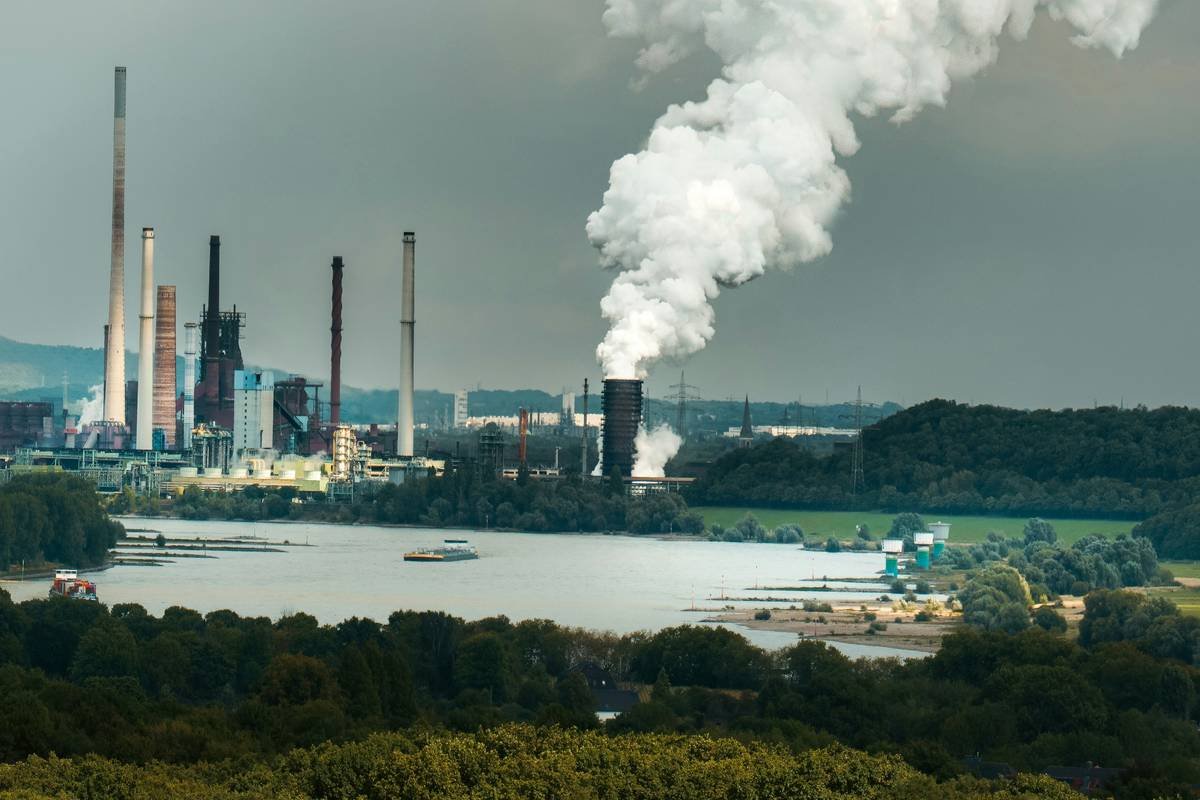
Imagine this: your warehouse’s aging drainage pipe leaks 200 gallons of industrial solvent into a local creek. You didn’t cause it on purpose, but now you’re staring down a $250,000 cleanup bill and a class-action lawsuit from nearby property owners. Sound far-fetched? The U.S. Environmental Protection Agency (EPA) reports over 1,400 civil judicial enforcement actions in FY2022 alone—many targeting small-to-midsize businesses.
If you operate anything from a dry cleaner to a construction firm (or even hold commercial real estate), you could be liable for pollution you didn’t directly cause—but are still legally responsible for. That’s where environmental litigation cover comes in: a specialized insurance backstop that shields you from the financial fallout of environmental lawsuits.
In this post, you’ll learn:
- Who actually needs environmental litigation cover (spoiler: it’s not just oil companies)
- How it differs from general liability or standard pollution policies
- Real-world claims scenarios that triggered coverage
- Actionable steps to assess your exposure and secure appropriate protection
Table of Contents
- What Is Environmental Litigation Cover?
- Do You Really Need Environmental Litigation Cover?
- How to Secure Environmental Litigation Cover Without Overpaying
- Top 5 Best Practices for Maximizing Coverage Value
- Real Case Studies: When Environmental Litigation Cover Saved the Day
- FAQs About Environmental Litigation Cover
Key Takeaways
- Environmental litigation cover protects against legal defense costs, settlements, and judgments arising from third-party pollution claims—even if you weren’t at fault.
- Standard general liability (CGL) policies almost always exclude gradual or pre-existing pollution; standalone environmental policies fill this gap.
- Industries like contractors, landlords, waste haulers, and manufacturers face elevated risk—even with “clean” operations.
- Coverage is highly customizable; work with an insurer experienced in environmental risk underwriting.
- Proactive site assessments and documentation can lower premiums and expedite claims.
What Is Environmental Litigation Cover?
Let’s cut through the jargon: environmental litigation cover is a component (or sometimes a standalone product) within a broader environmental impairment liability (EIL) or pollution legal liability (PLL) insurance policy. Its core purpose? To pay for your legal defense and any court-ordered damages if someone sues you over pollution-related harm—even if that pollution happened years ago or originated from a neighboring property.
Why does this matter? Because most business owners assume their commercial general liability (CGL) policy has them covered. Newsflash: it doesn’t.
The infamous “absolute pollution exclusion” clause in standard CGL policies excludes coverage for “discharge, dispersal, seepage, migration, release or escape of pollutants.” Courts have interpreted this broadly—even denying coverage for incidents like a spilled cleaning chemical during routine maintenance (See: MacKinnon v. Truck Ins. Exchange, Cal. 2003).
Optimist You: “But I’m eco-conscious—I recycle, use green cleaners, and haven’t had an incident!”
Grumpy You: “Cool story. What about the tenant who stored diesel illegally in your leased space three owners ago? Yeah. You’re still on the hook.”
Do You Really Need Environmental Litigation Cover?
If your business owns, leases, or operates on land—and especially if you handle chemicals, generate waste, or manage properties—you’re exposed. Here’s who should be paying attention:
- Commercial property owners/landlords: Inherited contamination from past tenants can trigger liability under CERCLA (Superfund law).
- Contractors & builders: Accidentally hitting an underground storage tank or disturbing contaminated soil during excavation.
- Waste management & recycling firms: Even compliant operations can face nuisance lawsuits from nearby residents.
- Manufacturers & warehouses: Leaking HVAC systems, fire suppressants, or refrigerants count as “pollutants.”
- Dry cleaners, auto shops, labs: Routine solvents and chemicals fall squarely under pollution definitions.
I once reviewed a claim for a family-run printing shop. A decades-old solvent leak from their basement seeped into groundwater. They’d never been cited, but when a new housing development sprang up downstream, they got sued. Their CGL denied coverage. Thankfully, they’d added environmental litigation cover six months prior—it paid $180K in defense fees alone.
How to Secure Environmental Litigation Cover Without Overpaying
Step 1: Conduct a Pollution Liability Self-Assessment
Ask: Do we store, use, transport, or dispose of substances that could be deemed hazardous? Check EPA’s list of CERCLA hazardous substances. If yes, proceed.
Step 2: Audit Your Current Policies
Pull your CGL, property, and umbrella policies. Search for “pollution,” “contaminant,” and “hazardous material.” Note all exclusions. Don’t assume—read the fine print.
Step 3: Work With a Specialist Broker
This isn’t DIY territory. You need a broker experienced in environmental risk (look for RPLU or CSP designations). They’ll help structure coverage with key endorsements like:
- Non-owned disposal site coverage
- First-party cleanup cost reimbursement
- Defense outside the limits
Step 4: Get a Phase I ESA (If Applicable)
For property owners, a Phase I Environmental Site Assessment conducted per ASTM E1527-21 standards can satisfy “Innocent Landowner Defense” requirements and make insurers more willing to offer terms.
Top 5 Best Practices for Maximizing Coverage Value
- Disclose everything upfront: Hiding past spills = instant denial later. Full transparency builds trust with underwriters.
- Choose “claims-made” wisely: Most EIL policies are claims-made—meaning coverage applies only if the claim is filed AND reported during the policy period. Tail coverage (extended reporting) is non-negotiable.
- Verify defense costs are “outside the limits”: Otherwise, your $1M limit gets eaten by lawyer fees before paying a dime in damages.
- Review policy triggers: Does coverage require regulatory action, or just a third-party lawsuit? The latter offers broader protection.
- Renew early: Environmental underwriting takes 6–8 weeks. Don’t wait until your renewal date.
Real Case Studies: When Environmental Litigation Cover Saved the Day
Case 1: The Unassuming Landlord
A Chicago landlord leased a ground-floor unit to a metal plating business in the 1980s. Decades later, chromium levels were found in soil beneath a new playground. The city sued all prior owners. The current owner’s environmental litigation cover paid $420K in legal defense and settlement—despite never operating an industrial business.
Case 2: The Honest Mistake Contractor
During a school renovation in Oregon, a contractor ruptured an undocumented underground fuel line. Gasoline entered storm drains. Local residents filed suit alleging health impacts. The contractor’s CGL denied coverage due to pollution exclusion. Their $2M environmental litigation policy covered cleanup coordination, legal fees, and a mediated settlement totaling $675K.
These aren’t outliers. According to the Insurance Information Institute, environmental claims average $350,000+ per incident—and 73% involve third-party lawsuits rather than regulatory fines.
FAQs About Environmental Litigation Cover
Q: Isn’t this just for big polluters like factories?
A: Absolutely not. Dry cleaners, beauty salons, HVAC technicians, and even wedding venues (hello, generator fuel!) have faced pollution claims. If you use or store anything beyond water and electricity, you’re exposed.
Q: How much does it cost?
A: Premiums range from $1,500/year for low-risk offices to $50,000+ for high-hazard operations. Risk depends on location, materials handled, and claims history—not company size.
Q: Can I add this to my existing business policy?
A: Rarely. Most carriers require a standalone environmental policy because the risk modeling is entirely different. Some offer limited pollution endorsements, but they often lack full litigation defense.
Q: Does it cover mold or asbestos?
A: Sometimes—but only if explicitly scheduled. Always confirm coverage scope with your broker.
Conclusion
Environmental litigation cover isn’t about being paranoid—it’s about being prepared. In today’s climate of heightened environmental awareness and aggressive plaintiff attorneys, assuming you’re “too small to sue” is a gamble no prudent business owner should take. Review your exposures, consult a specialist, and remember: the best time to get coverage is before the EPA knocks—or the neighbor files suit.
Like a Tamagotchi, your liability protection needs daily care… or at least an annual policy review.