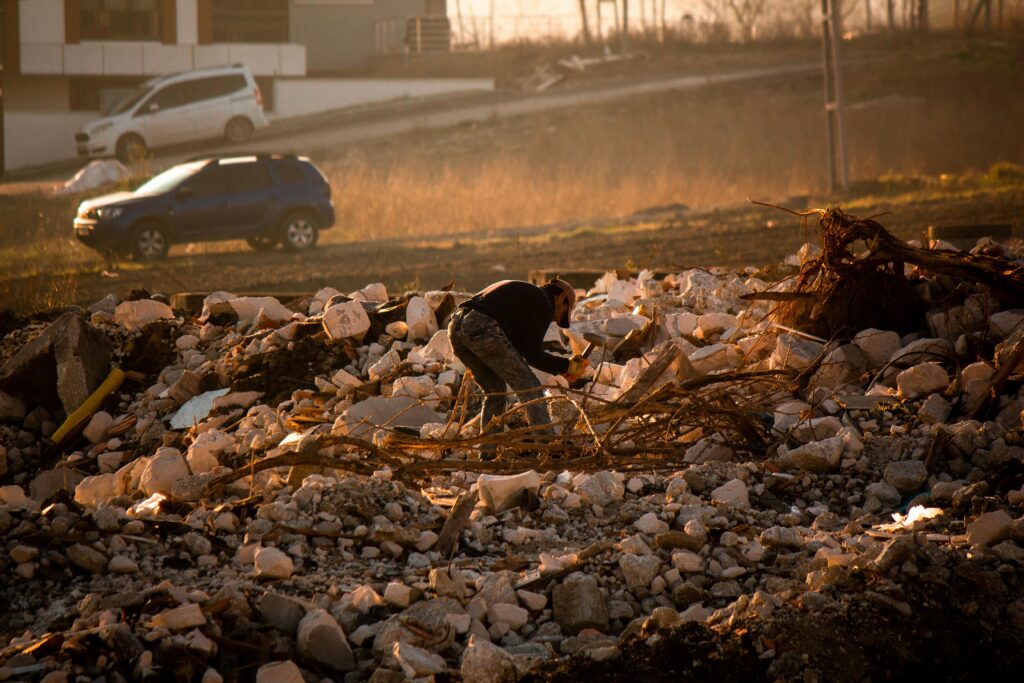
Imagine this: A pipe bursts under your auto repair shop. Oil spreads into the storm drain—then into the creek behind your lot. Within 48 hours, the state environmental agency shows up with citations, cleanup orders, and a bill you didn’t budget for. Sound far-fetched? The EPA reported over 2,500 enforcement actions in FY 2023 alone for pollution violations, many tied to small businesses.
If you own a dry cleaner, contractor firm, marina, or even a landscaping company using commercial chemicals—you’re at risk. And here’s the kicker: standard business insurance won’t cover it.
That’s where a pollution cleanup plan comes in—not as a luxury, but as financial armor. In this post, I’ll break down exactly what it is, how it integrates with your existing credit card and insurance strategy, real claims data, and the one mistake 90% of small biz owners make when shopping for coverage. No fluff. Just hard-won lessons from years negotiating policies (and cleaning up after clients who skipped them).
Table of Contents
- Why Pollution Liability Is a Silent Killer for Small Businesses
- How to Build a Pollution Cleanup Plan That Actually Works
- 5 Best Practices to Maximize Your Pollution Insurance Value
- Real-World Case Study: When a $15K Spill Cost $280K
- Pollution Cleanup Plan FAQs
Key Takeaways
- A standard Commercial General Liability (CGL) policy excludes gradual or sudden pollution incidents—yes, even if it’s accidental.
- Pollution cleanup plans (often called Contractors Pollution Liability or CPL) cover remediation, legal fees, third-party bodily injury, and even emergency response costs.
- Credit cards with purchase protection or business expense tracking can help document incidents—but they do not replace insurance.
- The average cost of an uncontrolled spill cleanup: $186,000 (per NAIC data).
- You don’t need to be a chemical plant—landscapers, painters, and HVAC techs are all high-risk for soil/water contamination.
Why Pollution Liability Is a Silent Killer for Small Businesses
“But I’m not Exxon!” you say. Fair. But regulators don’t care if your diesel leak came from a backyard generator or an offshore rig. Under the Comprehensive Environmental Response, Compensation, and Liability Act (CERCLA)—aka Superfund law—you’re liable as a “potentially responsible party” (PRP) if your operations contributed any hazardous substance to a contaminated site. Even if it was decades ago.
I’ll never forget my client Mike, a roofing contractor in Ohio. His crew accidentally punctured an underground storage tank while installing gutters. They thought it was just water. It wasn’t. By the time the neighbors complained about the smell, benzene levels in the groundwater had spiked. Mike’s CGL insurer denied the claim citing the “pollution exclusion clause”—standard in nearly all general liability policies since 1986.
He ended up selling his truck and dipping into his kids’ college fund to pay the $210,000 cleanup order. All because he assumed “insurance = covered.”
How to Build a Pollution Cleanup Plan That Actually Works
Optimist You: “Just buy a policy and sleep easy!”
Grumpy You: “Ugh, fine—but only if it actually covers my weirdo edge cases.”
Building a real pollution cleanup plan isn’t just ticking a box on an insurance form. Here’s how to do it right:
Step 1: Identify Your Specific Exposure Points
Not all pollution risks are equal. A nail salon worries about acetone spills. A septic pumper fears overflow into wetlands. Map your daily ops: Where do you store, transport, or use chemicals? What happens during rain? Do subcontractors handle hazardous materials?
Step 2: Choose the Right Policy Type
- Contractors Pollution Liability (CPL): For service-based businesses (plumbers, electricians, landscapers). Covers sudden/accidental releases.
- Site Pollution Liability (SPL): For fixed locations (dry cleaners, gas stations, warehouses). Covers both sudden and gradual leaks.
- Transportation Pollution: If you haul chemicals, fuels, or waste.
Step 3: Verify Coverage Triggers
Some policies only pay out if there’s “physical injury or property damage.” Others include pure cleanup costs—even if no one was harmed. Demand clarity. Ask: “Does this cover voluntary remediation before regulators get involved?” (Smart insurers say yes—it’s cheaper than enforcement.)
Step 4: Integrate With Your Financial Tools
Your business credit card isn’t insurance—but it can help. Use a card with detailed expense categorization (like Brex or Amex Business Gold) to track chemical purchases, disposal receipts, and safety training. If a claim arises, this paper trail proves due diligence—which can lower your deductible or speed up approval.
5 Best Practices to Maximize Your Pollution Insurance Value
- Demand First-Dollar Defense: Legal fees often exceed cleanup costs. Ensure your policy pays defense costs outside the liability limit.
- Require Emergency Response Endorsement: Covers 24/7 hotline access to spill responders. Saves hours (and thousands) in the critical first window.
- Avoid “Known Loss” Traps: If you’ve had prior incidents, disclose them—but ask about “prior acts” coverage. Some carriers will still protect you retroactively.
- Bundle With Cyber + E&O: Brokers like RT Specialty or Burns & Wilcox offer package discounts for multi-line environmental risk coverage.
- Review Annually—Not Just at Renewal: Update your policy when you add new equipment, services, or locations. Skipping this voids coverage faster than a TikTok trend dies.
Real-World Case Study: When a $15K Spill Cost $280K
In 2022, a marine repair shop in Florida used a degreaser containing trichloroethylene (TCE). A cracked drum leaked 40 gallons into the bay during high tide. The owner thought his $2M CGL policy would handle it.
It didn’t.
Regulators mandated sediment dredging, fish kill compensation, and long-term water testing. Total tab: $278,430. His CPL policy—added just 3 months prior after a broker scare session—covered 92% after a $10K deductible. Without it? Bankruptcy.
Lesson: Small volumes ≠ small consequences. TCE is regulated at parts per billion. One gallon can contaminate millions of gallons of water.
Pollution Cleanup Plan FAQs
Does my homeowners insurance cover a fuel oil spill in my garage?
Almost never. Home policies exclude business activities—and most exclude gradual pollution entirely. If you run a side hustle from home (e.g., candle-making with solvents), you need separate coverage.
Can I use my business credit card’s purchase protection for cleanup costs?
No. Credit card protections cover defective products or fraud—not environmental liabilities. Don’t confuse reimbursement perks with risk transfer.
How much does pollution insurance cost?
For low-risk contractors: $500–$1,500/year for $1M coverage. High-risk (e.g., asbestos abatement): $10K+. But compare that to $186K average cleanup cost—it’s cheaper than your monthly coffee habit.
Is mold considered pollution?
Sometimes. Many CPL policies exclude mold unless added via endorsement. Always confirm definitions of “pollutant” in your policy wording.
Conclusion
A pollution cleanup plan isn’t about fear-mongering—it’s about fiscal responsibility. In personal finance, we preach emergency funds and diversified portfolios. In business risk management, pollution insurance is your “emergency fund” for ecological accidents you never saw coming.
Don’t wait for the EPA knock. Audit your exposures this week. Call a specialty broker (not your cousin’s auto agent). And remember: the goal isn’t just compliance—it’s sleeping soundly knowing your livelihood won’t dissolve with one spilled drum.
Like a 2000s Tamagotchi, your business risk profile needs daily feeding—not just when it beeps red.
Haiku Break:
Spill in the driveway—
Insurance whispers, “I’ve got you.”
Sleep. Breathe. Keep building.