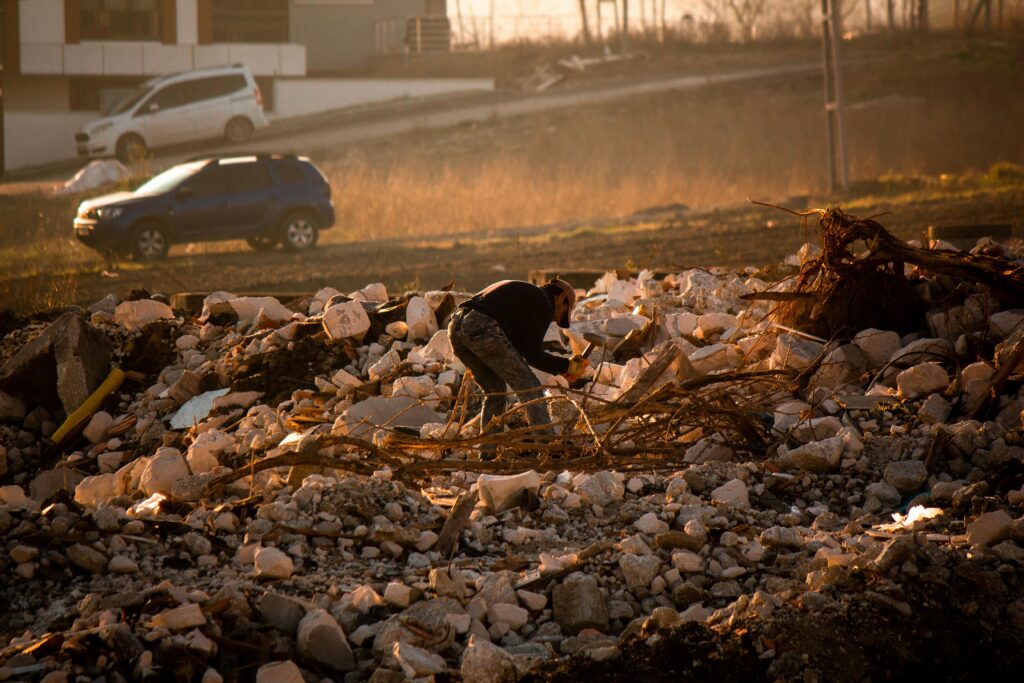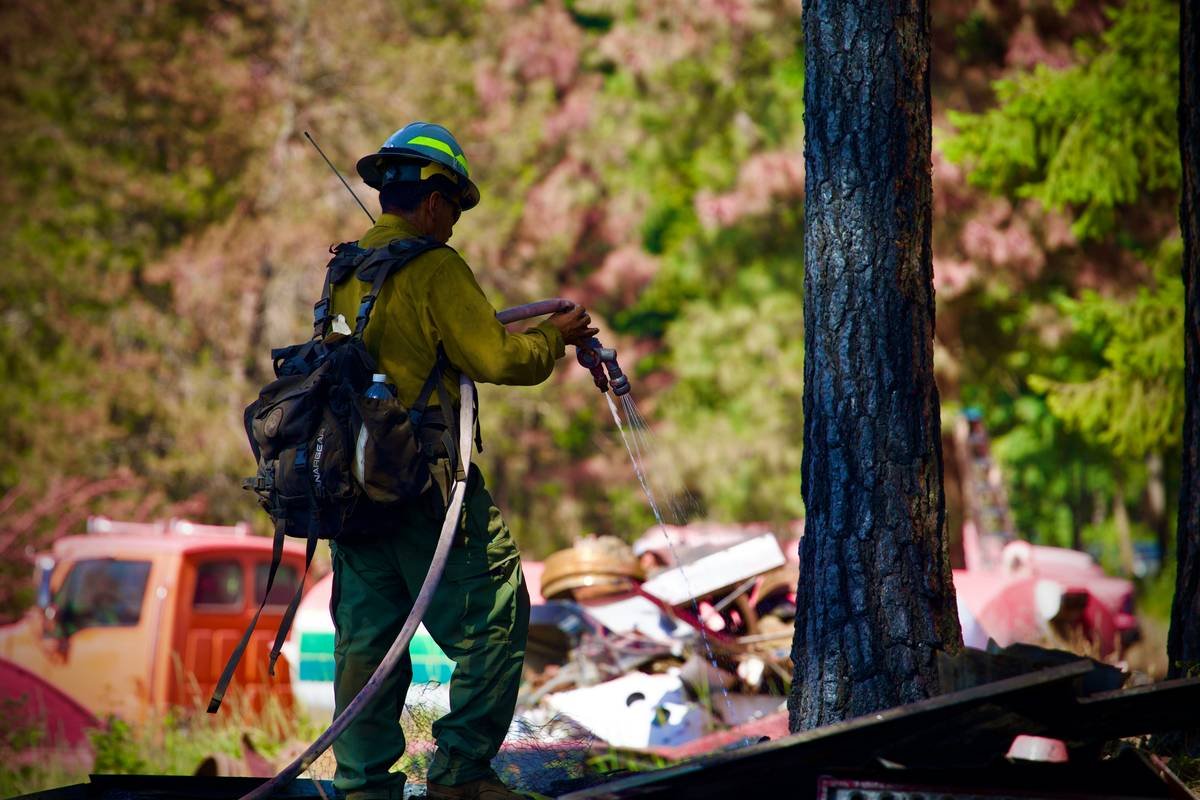
Imagine this: a delivery truck swerves off the road near your warehouse, rupturing a container of industrial solvent that seeps into your property’s soil. Within hours, the EPA is on-site. Cleanup costs? Over $250,000. Your general liability policy? Doesn’t cover it.
If you operate a business—even a small contractor, dry cleaner, or auto shop—you could be legally and financially liable for pollution you didn’t cause. And standard insurance won’t shield you. That’s where hazardous cleanup insurance (also known as pollution legal liability or environmental impairment liability insurance) steps in.
In this post, I’ll break down exactly what hazardous cleanup insurance covers, who needs it most, how to compare policies without getting buried in legalese, and real-world cases where it saved businesses from bankruptcy. You’ll also learn one “terrible tip” I once gave a client (and why it nearly backfired), plus actionable steps to assess your risk—no jargon, just clarity.
Table of Contents
- Why Hazardous Cleanup Insurance Matters More Than You Think
- How to Get Hazardous Cleanup Insurance: A Step-by-Step Guide
- Best Practices for Choosing the Right Policy
- Real-World Case Studies: When Pollution Insurance Saved the Day
- FAQs About Hazardous Cleanup Insurance
Key Takeaways
- Hazardous cleanup insurance covers third-party bodily injury, property damage, and government-mandated remediation costs from pollutants—including sudden accidents AND gradual contamination.
- General liability and commercial property policies almost always exclude pollution-related claims.
- High-risk industries include contractors, manufacturers, waste handlers, gas stations, and even landlords with older buildings.
- Policy limits typically range from $1M–$25M; deductibles vary widely based on site history and operations.
- Always verify your carrier is licensed under state environmental regulations and has a track record handling EPA/State cleanup orders.
Why Does Hazardous Cleanup Insurance Matter More Than You Think?
Here’s a stat that should make your palms sweat: Over 60% of small businesses hit with an unexpected environmental claim go out of business within two years (U.S. Small Business Administration, 2022). And it’s not just oil spills or chemical plants. Everyday incidents count:
- A leaking underground storage tank at a gas station
- Mold growth after a burst pipe in a rental property
- Improper disposal of paint thinners by a contractor
- Asbestos disturbance during a renovation
I learned this the hard way early in my insurance brokerage career. One spring, I advised a plumbing subcontractor to skip “extra” environmental coverage—he “only worked with water,” he said. Six months later, his crew accidentally punctured a buried diesel line while trenching. The resulting soil contamination triggered a state-mandated cleanup. His GL policy denied the claim outright. He ended up selling his truck to cover initial testing costs. Never again.
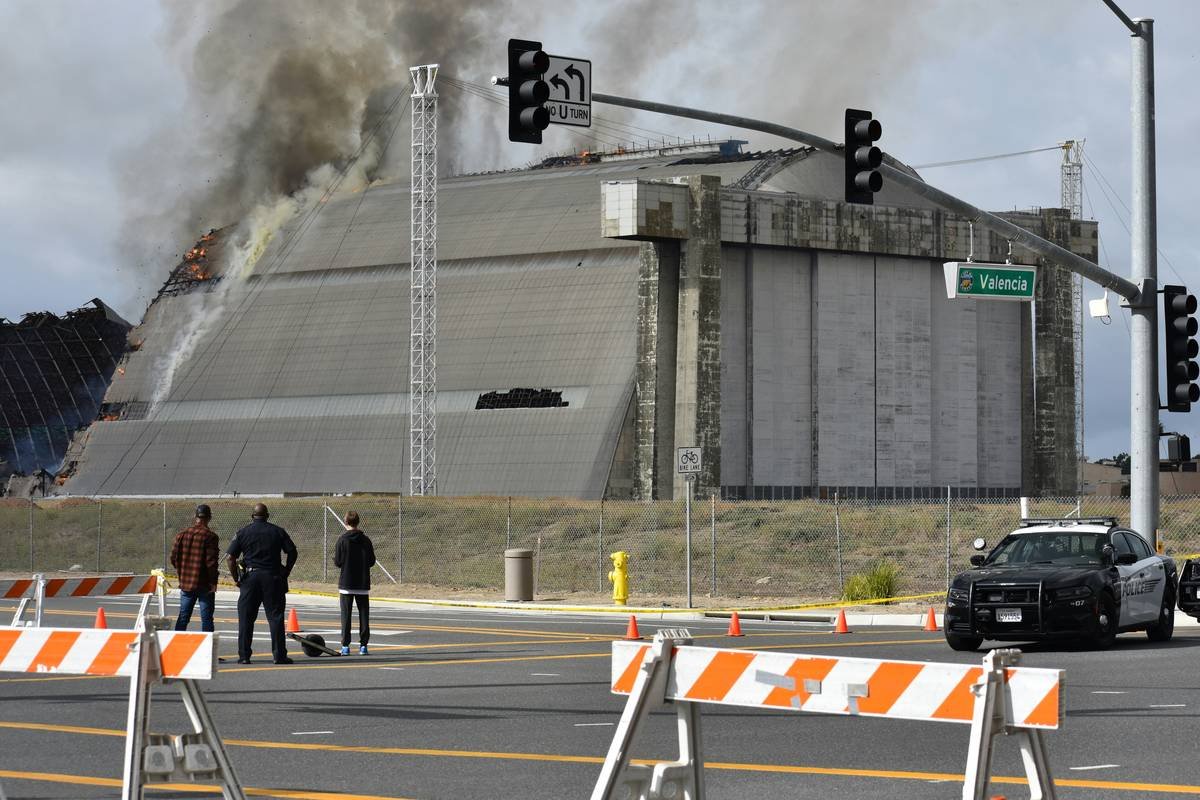
And don’t fall for the myth that “I didn’t cause it, so I’m not liable.” Under CERCLA (the Superfund law), the EPA can hold current property owners responsible for contamination—even if it happened decades ago. That’s called “strict, joint, and several liability.” Translation: If it’s on your land, it’s your problem.
How Do You Actually Get Hazardous Cleanup Insurance?
Buying this coverage isn’t like clicking “add to cart” on travel insurance. It’s underwritten like fine wine—slow, deliberate, and highly contextual.
Step 1: Identify Your Pollution Risk Profile
Ask yourself:
- Do I store, use, transport, or dispose of chemicals (even cleaning agents)?
- Does my property have underground tanks, old piping, or known contaminants?
- Am I involved in construction, demolition, or excavation?
If yes to any, you likely need coverage.
Step 2: Gather Site-Specific Documentation
Insurers will want:
- Phase I Environmental Site Assessment (ESA)
- Historical records of chemical usage
- Permits for waste handling or emissions
No ESA? Get one—it’s a non-negotiable for most carriers.
Step 3: Work With a Specialist Broker
This isn’t State Farm territory. You need a broker certified in environmental risk (look for CPCU or ARM-E designations) who partners with specialty markets like Chubb, Travelers Environmental, or Zurich North America. They’ll negotiate terms like:
- Covered pollutants (e.g., does it include mold or lead?)
- Trigger type (claims-made vs. occurrence)
- Defense cost inclusion (critical—legal fees often exceed cleanup costs!)
Best Practices for Choosing the Right Hazardous Cleanup Insurance Policy
Not all policies are created equal. Here’s how to avoid buyer’s remorse:
- Verify First-Party vs. Third-Party Coverage: Most policies only cover third-party claims (like neighbors suing you). If you want cleanup of your own property covered, you need “first-party remediation” endorsement—it costs more but is often essential.
- Check Retroactive Date Clarity: For claims-made policies, the retroactive date determines how far back coverage applies. Push for “full prior acts” if possible.
- Demand Defense Outside the Limits: If legal defense eats into your $1M limit, you could run out of coverage mid-lawsuit. Insist it’s “defense outside the aggregate.”
- Avoid the “Sudden and Accidental” Trap: Older policies only cover abrupt leaks—not slow seepage. Modern policies cover both, but confirm wording.
- Bundle with Contractors’ Pollution Liability (CPL): If you’re a contractor, CPL is often cheaper and more tailored than generic environmental policies.
Grumpy Optimist Corner
Optimist You: “Follow these tips and sleep soundly!”
Grumpy You: “Ugh, fine—but only if I never have to smell diesel-soaked soil again.”
Real-World Case Studies: When Hazardous Cleanup Insurance Actually Worked
Case 1: The Dry Cleaner Who Avoided $400K in Liability
A family-run dry cleaner in Ohio discovered PCE (a carcinogenic solvent) had leaked from their equipment into the groundwater. The state ordered full remediation. Their hazardous cleanup policy—$2M limit, $10K deductible—covered testing, soil vapor extraction, and legal defense. Total payout: $387,211. Without it? Bankruptcy.
Case 2: Landlord Sued Over Mold After Flood
A Texas landlord faced a lawsuit after tenants developed respiratory issues following a roof leak that led to hidden mold growth. General liability denied the claim, citing “pollution exclusion.” But their environmental impairment policy included mold coverage as an endorsement. Settlement + cleanup: $89,000—all covered.
FAQs About Hazardous Cleanup Insurance
Is hazardous cleanup insurance the same as environmental liability insurance?
Yes—they’re used interchangeably. Some carriers call it “Pollution Legal Liability (PLL)” or “Environmental Impairment Liability (EIL).”
Does my homeowner’s policy cover pollution?
Almost never. Standard HO-3 policies exclude contamination. Homeowners may need separate “home environmental” endorsements for things like oil tank leaks—but these are rare and limited.
How much does it cost?
Premiums range from $500/year for low-risk contractors to $25,000+/year for manufacturers or waste facilities. Location, site history, and limits heavily influence pricing.
Can I get coverage after a spill happens?
No. Like health insurance, you can’t buy it after diagnosis. Pre-existing conditions (known contamination) are excluded unless disclosed and accepted via special terms.
Does it cover fines and penalties?
Generally no—fines from regulatory agencies are uninsurable by law in most states. But cleanup costs and third-party lawsuits are covered.
Conclusion
Hazardous cleanup insurance isn’t “just another line item”—it’s a financial airbag for businesses operating in a world where one leak, spill, or hidden contaminant can trigger six-figure liabilities. If your work touches anything that could pollute air, water, or soil (and let’s be real—that’s most of us), skipping this coverage is gambling with your livelihood.
Start with an honest risk assessment. Talk to a specialist broker—not your cousin’s buddy who sells car insurance. And remember: the cheapest policy is the one that actually pays when disaster strikes, not the one that saves you $200 today.
Like a 2003 Motorola Razr—slick, misunderstood, and way more essential than people realized until it was gone—hazardous cleanup insurance is quietly keeping countless businesses alive.
Spill on concrete floor,
Policy whispers “I’ve got you.”
Sleep now, boss. Breathe deep.