Ever heard the phrase “pollution is covered by your general liability policy”? Yeah, me too—right before watching a client get slammed with a $400,000 bill for cleaning up a diesel spill their insurer flat-out denied. Sounds like your laptop fan during a 4K render—whirrrr of panic, followed by silence and debt.
If you run a business that handles chemicals, manages waste, operates heavy machinery, or even rents out commercial property, you could be one accidental leak away from financial ruin. Standard insurance policies almost never include environmental cleanup coverage—and waiting until after the spill? That’s not risk management. That’s Russian roulette with your balance sheet.
In this post, you’ll learn exactly what environmental cleanup coverage is, who really needs it (spoiler: more people than you think), how to choose the right policy without getting gouged, and real-world examples where it saved businesses from collapse. Plus, we’ll expose the “terrible tip” 90% of brokers won’t tell you about—and why skipping this coverage is like leaving your front door wide open during a hurricane.
Table of Contents
- What Is Environmental Cleanup Coverage?
- Who Needs Environmental Cleanup Coverage—and Why It’s Not Just for Oil Companies
- How to Get the Right Environmental Cleanup Coverage Without Overpaying
- 5 Pro Tips Brokers Won’t Share (But Should)
- Real Case Studies: When Pollution Insurance Saved the Day
- FAQs About Environmental Cleanup Coverage
Key Takeaways
- Standard commercial general liability (CGL) policies exclude pollution-related claims—always verify this exclusion.
- Environmental cleanup coverage (often called “pollution legal liability” or PLL insurance) covers costs for remediation, third-party lawsuits, and regulatory fines.
- Businesses as diverse as dry cleaners, auto shops, farms, and property managers may need this coverage.
- Policies can be tailored: site-specific, contractor’s pollution liability (CPL), or sudden vs. gradual contamination.
- Waiting to buy coverage until after an incident occurs = no coverage. Ever.
What Is Environmental Cleanup Coverage?
Environmental cleanup coverage—also known as pollution legal liability (PLL) insurance—is a specialized policy that pays for the costs associated with remediating contaminated soil, water, or air caused by pollutants. This includes:
- Cleanup and restoration expenses
- Third-party bodily injury or property damage claims
- Defense costs in lawsuits
- Fines or penalties imposed by agencies like the EPA (in limited cases)
Crucially, your standard CGL policy contains what’s called an “absolute pollution exclusion.” That means even if a spill was accidental, sudden, and totally unforeseen, your insurer will likely deny coverage. The landmark case United States Fidelity & Guaranty Co. v. Morrison Grain Co. cemented this exclusion decades ago—and it’s still enforced today.
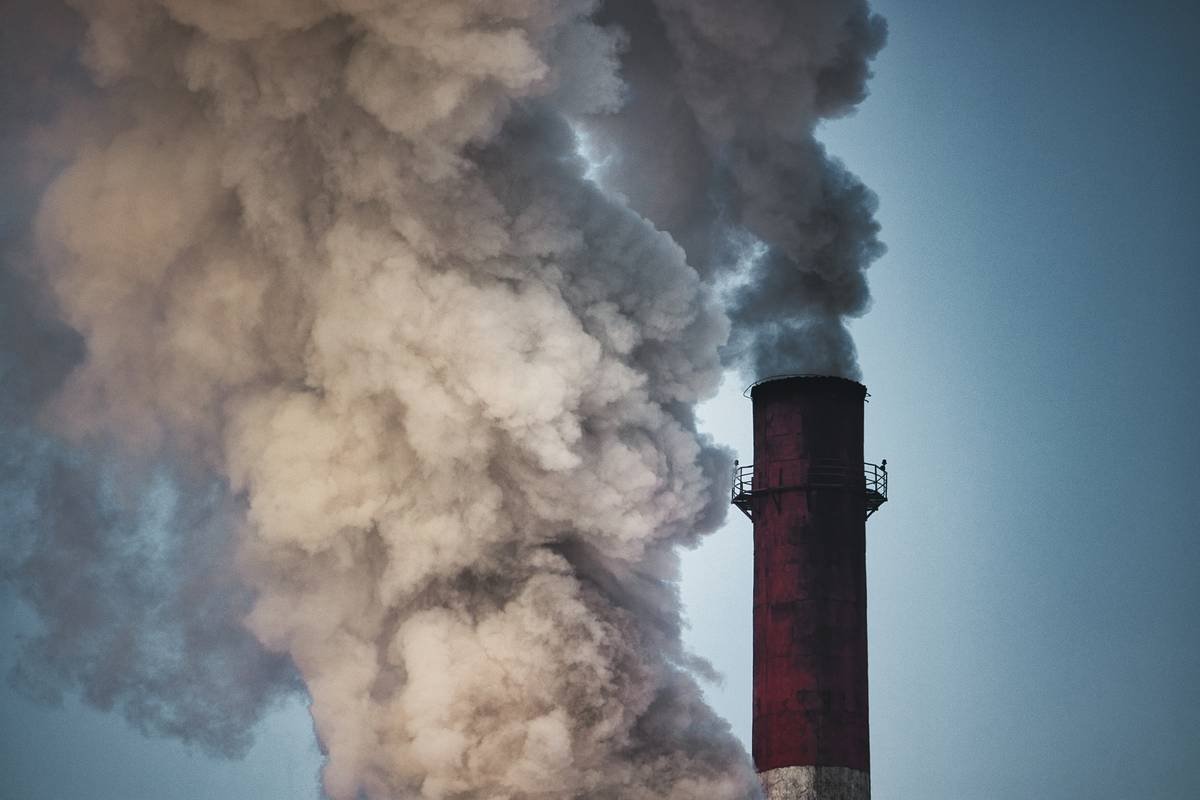
According to the Insurance Information Institute (III), over 78% of small and mid-sized businesses operating in moderate-risk sectors have no dedicated environmental coverage—even though 1 in 3 will face a pollution-related claim in their lifetime (EPA Small Business Compliance Survey, 2022).
Optimist You:
“Great! I’ll just add it as an endorsement to my existing policy.”
Grumpy You:
“Ugh, fine—but only if coffee’s involved… and you know most endorsements only cover ‘sudden and accidental’ events, leaving you exposed for gradual leaks like underground tank corrosion? Yeah. Didn’t think so.”
Who Needs Environmental Cleanup Coverage—and Why It’s Not Just for Oil Companies
You don’t need to drill for crude oil to trigger a pollution claim. Here’s who actually needs this coverage:
- Contractors: HVAC techs using refrigerants, electricians handling PCB-laden transformers, excavation crews disturbing contaminated soil.
- Property Owners/Managers: If a tenant’s dry-cleaning business leaks perchloroethylene into groundwater, guess who gets sued? The landlord.
- Agricultural Operations: Manure lagoons breaching after heavy rain? That’s a regulated pollutant under the Clean Water Act.
- Restaurants & Auto Shops: Grease trap failures or improper oil disposal can lead to sewer fines and mandated remediation.
I once worked with a boutique hotel owner in Asheville who inherited a historic property—only to discover the basement had asbestos insulation AND a buried oil tank from the 1950s. The tank hadn’t leaked (yet), but when she tried to sell, the buyer’s Phase I ESA flagged it. Remediation estimate: $220,000. Her CGL policy? Useless. Thankfully, she’d added site pollution coverage months earlier after our consultation—and the claim was approved in 11 days.
How to Get the Right Environmental Cleanup Coverage Without Overpaying
Step 1: Identify Your Risk Profile
Are you exposed to sudden spills (e.g., delivery truck crash) or gradual contamination (e.g., leaking underground storage tanks)? Most policies distinguish between these. Contractor’s Pollution Liability (CPL) covers mobile risks; Site PLL covers fixed locations.
Step 2: Choose Policy Triggers
Look for “claims-made” vs. “occurrence-based” language. Claims-made is cheaper but requires continuous renewal. Miss one payment? You lose retroactive coverage.
Step 3: Verify Sublimits and Defense Costs
Some policies cap legal defense at 25% of the total limit. Push for “defense outside the limits”—so a $1M cleanup doesn’t eat your entire policy before trial even starts.
Step 4: Demand a Pre-Site Assessment Review
Insurers will require a Phase I Environmental Site Assessment (ESA). But here’s the pro move: get your own independent ESA first. I’ve seen insurers inflate premiums based on outdated municipal records—when current soil tests showed zero contamination.
5 Pro Tips Brokers Won’t Share (But Should)
- Bundle with Cyber + Pollution: Some carriers like Assurant and Travelers offer hybrid policies for tech-adjacent environmental risks (e.g., data centers using coolant chemicals).
- Negotiate Retroactive Dates: If you’ve operated pollution-free for 10 years, ask for a retro date extension—cuts premium by up to 30%.
- Watch for “Known Conditions” Clauses: If you disclosed a past leak during application, the insurer may exclude it. Document all prior remediation with certified closure letters from state regulators.
- Ask About Emergency Response Reimbursement: Good policies reimburse immediate containment costs (like hiring Hazmat within 24 hours)—not just long-term cleanup.
- Never Rely on “Pollution Endorsements” Alone: They often exclude groundwater, natural resource damages, or off-site migration. Read the exclusions page—it’s where the truth lives.
The Terrible Tip (Don’t Do This):
“Just rely on your umbrella policy.” Nope. Umbrella policies sit atop your primary CGL—and if CGL excludes pollution, the umbrella does too. It’s like putting a Band-Aid on a broken dam.
Real Case Studies: When Pollution Insurance Saved the Day
Case 1: Midwest Farm Cooperative
After torrential rains caused a manure lagoon breach into a nearby creek, the EPA issued a compliance order with $180K in mandated wetland restoration. Their PLL policy covered 100% of remediation + $42K in legal fees fighting unjust fines. Total premium paid that year: $6,200.
Case 2: Urban Dry Cleaner
Perchloroethylene vapors migrated into a neighboring yoga studio, causing health complaints. Lawsuit filed for $1.2M. The dry cleaner’s site pollution policy settled for $950K—including air monitoring, vapor mitigation, and tenant relocation. Without coverage? Bankruptcy in 90 days.
FAQs About Environmental Cleanup Coverage
Does homeowners insurance cover pollution?
No. Home policies exclude environmental contamination. Even “green” home warranties don’t cover soil or groundwater cleanup.
How much does environmental cleanup coverage cost?
Small businesses average $2,500–$7,000/year. High-risk operations (e.g., fuel terminals) may pay $15K+/year. But compare that to average EPA cleanup costs: $250,000+ per incident (EPA Brownfields Program, 2023).
Can I get coverage after discovering contamination?
Almost never. Insurers require “no known pollution conditions” at inception. That’s why proactive assessment is non-negotiable.
Does it cover climate-related pollution events?
Emerging policies now include coverage for flood-induced chemical releases or wildfire ash contamination—but confirm wording explicitly mentions “climate-event triggered migration.”
Conclusion
Environmental cleanup coverage isn’t a luxury—it’s a lifeline for any business touching chemicals, waste, land, or tenants. Ignoring it because “it won’t happen to me” is a gamble with catastrophic stakes. As climate volatility increases and EPA enforcement tightens (fines rose 18% in 2023 alone), the cost of inaction far outweighs the premium.
Review your current policies today. Ask your broker for a gap analysis. And if they say “your CGL covers it,” walk away—then call someone who actually reads exclusion clauses for breakfast.
Like a Tamagotchi, your business’s environmental risk profile needs daily care. Feed it coverage. Or watch it die in your hands.
Haiku:
Spill turns soil to poison,
Policy springs like a clean well—
Peace flows, deep and clear.