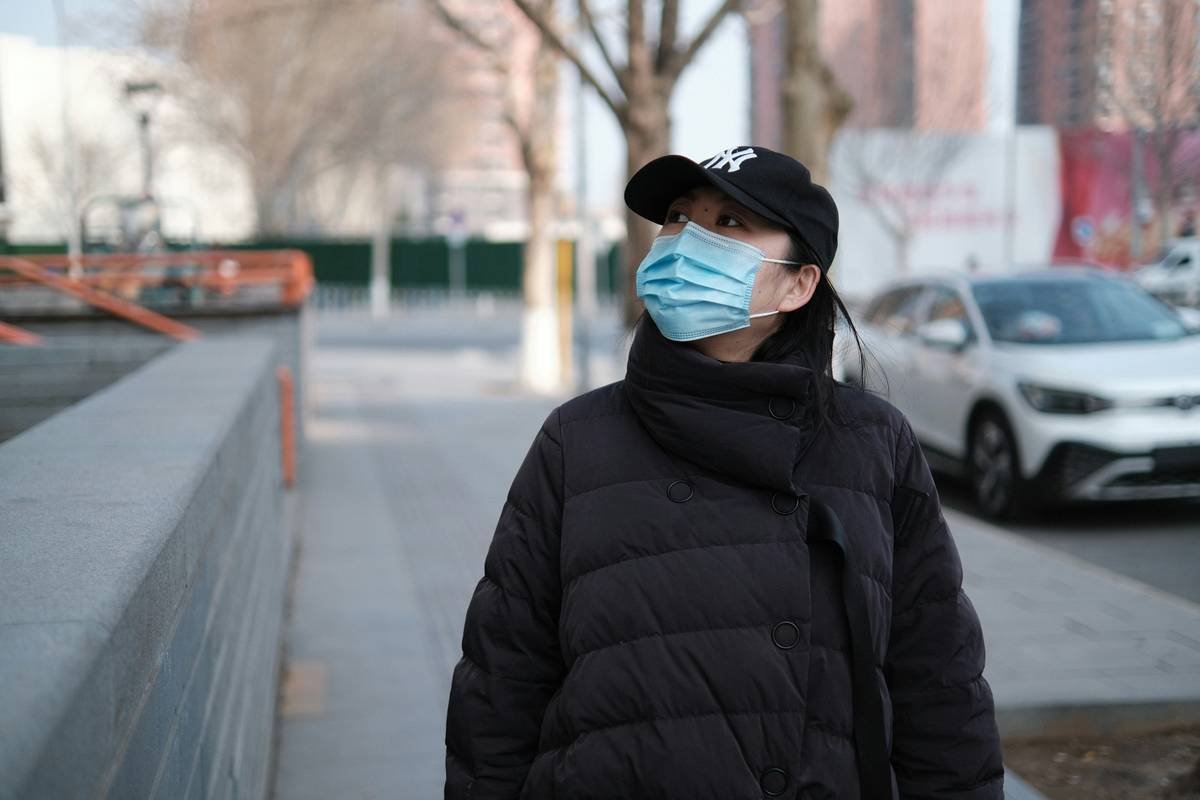
Ever felt your chest tighten while walking through a smog-filled city street, wondering if your health—and wallet—are truly protected? What if I told you that pollution isn’t just an environmental issue but also a financial one?
In this post, we’ll dive into how pollution affects your personal finance, why pollution insurance is crucial, and actionable steps to safeguard yourself with our ultimate pollution safety guide. You’ll learn:
- The hidden costs of pollution exposure.
- How to choose the right pollution insurance policy.
- Real-life lessons from others who overlooked it—and paid dearly.
Table of Contents
- Key Takeaways
- The Hidden Costs of Pollution Exposure
- Choosing the Right Pollution Insurance Policy
- Pollution Safety Tips Everyone Should Know
- Case Study: A Costly Mistake
- FAQs About Pollution Safety and Insurance
Key Takeaways
- Pollution can lead to costly medical bills and property damage claims.
- Pollution insurance policies vary widely; shop wisely for coverage.
- A proactive pollution safety plan saves money in the long run.
- Ignoring pollution risks can result in severe financial repercussions.
The Hidden Costs of Pollution Exposure
Pollution’s impact goes beyond toxic air. It seeps into homes, businesses, and even legal disputes. According to the World Health Organization (WHO), air pollution alone contributes to 7 million premature deaths annually. But here’s where things get pricey:
- Medical Expenses: Respiratory conditions caused by pollutants rack up hospital bills.
- Property Damage: Contaminants like asbestos or chemical spills destroy homes and offices.
- Legal Liabilities: Businesses may face lawsuits for negligent pollution handling.
I once ignored a warning about mold growth after a flood—it wasn’t “visible” so I thought no big deal. Fast forward six months, and my tenant sued me over respiratory issues linked to black mold contamination. Spoiler alert: My bank account hated me afterward.
Choosing the Right Pollution Insurance Policy
Optimist You: “Let’s protect ourselves with pollution insurance!”
Grumpy Me: “Ugh, fine—but understanding these jargon-filled policies feels like decoding ancient hieroglyphs.”
Here’s how to navigate the chaos:
Step 1: Assess Your Risks
List out potential pollution threats based on location, occupation, and lifestyle. For instance, urban dwellers might prioritize indoor air quality concerns, while industrial workers need liability shields.
Step 2: Compare Coverage Options
Not all policies are created equal. Some cover cleanup costs, others handle bodily injury claims. Use comparison tables to evaluate features:
| Type of Coverage | Cleanup Costs? | Bodily Injury Claims? | Legal Defense? |
|---|---|---|---|
| Basic Plan | No | Yes | Partial |
| Premium Plan | Yes | Yes | Full |
Step 3: Consult an Expert
Sounds like your laptop fan during a 4K render—whirrrr—but trust me, consulting a specialist ensures you don’t miss critical details. Their expert advice could save thousands later.
Pollution Safety Tips Everyone Should Know
- Invest in Air Purifiers: Improve home air quality immediately.
- Get Regular Check-Ups: Monitor health for early signs of pollution-related illnesses.
- Review Contracts Carefully: Ensure leases and contracts address pollution liabilities upfront.
Note: Avoid cheap imitation products claiming miraculous fixes—they’re often scams. Spending $200 on a legit purifier beats losing $2,000 on hospital bills!
Case Study: A Costly Mistake
Sara, a freelance graphic designer, rented a studio space downtown without checking its history. She fell ill months later due to undisclosed asbestos exposure. Without pollution insurance, Sara faced:
- $15,000+ in medical expenses,
- $8,000 relocation fees,
- Losing three months of work due to recovery.
A small investment in pollution insurance would’ve mitigated most of her losses. Moral of the story? Don’t skimp on researching your surroundings!
FAQs About Pollution Safety and Insurance
Q: Will regular homeowners’ insurance cover pollution damages?
A: Rarely. Standard policies exclude pollution-related incidents unless specifically stated otherwise.
Q: How much does pollution insurance cost?
A: Prices range significantly depending on location and risk level, averaging $500–$2,000 annually.
Q: Can renters buy pollution insurance?
A: Yes! Renters can purchase standalone plans tailored to their needs.
Conclusion
Your journey towards better financial security doesn’t stop at budgeting apps or credit card rewards. Understanding and preparing for unexpected environmental hazards is equally vital. By following this pollution safety guide, you’ve taken the first step toward smarter decisions around pollution protection.
Like a Tamagotchi, your finances require daily care—including preemptive measures against invisible enemies like pollution. Stay safe out there!